
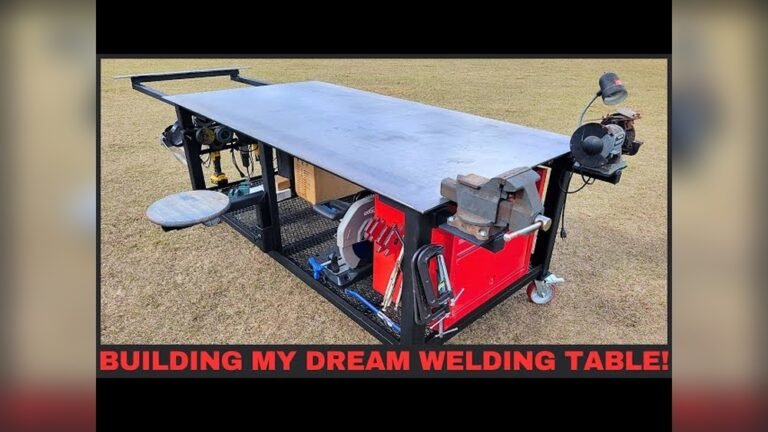
Setting Up A Welding Table: The Practical Guide For Beginners
A good welding table setup can make your welding easier, safer, and more accurate. Whether you’re a hobbyist or just starting in a workshop, understanding how to set up your welding table is the first step to better results. Many beginners focus on welding tools but forget that the table is the heart of any welding workspace. Let’s explore how to create a reliable, efficient, and safe welding table setup.
Why The Welding Table Matters
The welding table is more than just a surface. It provides a flat, stable area for your projects, helps with safety, and improves the quality of your welds. A poorly set up table can lead to mistakes, uneven welds, or even injuries.
Professional welders know that the right table setup can save time and reduce waste. For example, a survey from the American Welding Society showed that workstation setup can affect productivity by up to 20%. So, investing time in your table pays off quickly.
Choosing The Right Welding Table
Not all welding tables are the same. Your choice depends on the type of welding you do and your workspace. Here’s a quick comparison to help you decide:
| Table Type | Best For | Key Features |
|---|---|---|
| Steel Table | MIG, Stick, TIG | Grounding, Durability |
| Aluminum Table | Lightweight projects | Rust resistance, Lightweight |
| Portable Table | Small spaces, mobility | Foldable, Light, Compact |
Most beginners start with a steel table. It’s strong, conducts electricity for grounding, and resists heat. Avoid wooden tables—they can catch fire.

Credit: www.youtube.com
Essential Features For Your Welding Table
A good welding table setup should have:
- Flat, smooth surface – Ensures accurate welds and easy measurements.
- Thick tabletop – At least 3/8 inch steel is best for absorbing heat.
- Grounding point – For electrical safety and clean arc.
- Clamping holes or slots – For holding metal pieces firmly.
- Sturdy frame – Prevents wobbling during work.
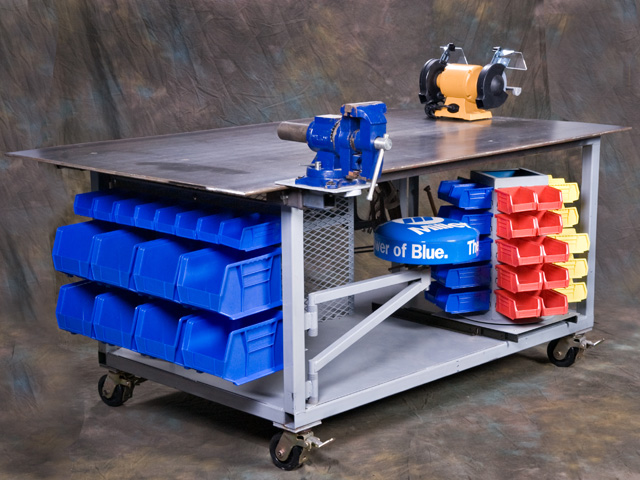
Some tables have extra features like shelves or wheels. These are helpful but not always necessary for beginners.
Positioning Your Welding Table
The location of your table affects both safety and workflow. Consider these tips:
- Place the table away from flammable materials.
- Leave at least 3 feet of space on all sides for movement.
- Set up near ventilation or windows for smoke control.
- Position power outlets and gas lines within easy reach.
One mistake beginners make is putting the table against a wall. This limits access and makes it hard to move large workpieces.
Credit: www.dtnpf.com
Setting Up For Safety
Welding involves sparks, heat, and fumes. Safety should be part of your table setup:
- Keep a fire extinguisher nearby.
- Use a welding screen to protect others from UV light.
- Store gloves, helmet, and jackets within arm’s reach.
- Keep cables and hoses off the floor to avoid tripping.
For better air quality, use a fume extractor or a simple fan to move smoke away.
Organizing Your Workspace
A tidy workspace boosts efficiency. Here’s how you can organize your welding table area:
- Use magnetic trays to hold small parts like nuts and bolts.
- Hang tools such as hammers and brushes on hooks near the table.
- Label drawers or bins for electrodes, wires, and consumables.
One non-obvious tip: Use colored tape or paint to mark areas for different tools. This makes cleaning up faster and keeps everything where you need it.
Common Welding Table Accessories
Accessories can make your welding table more versatile. Consider these:
| Accessory | Purpose |
|---|---|
| Welding Clamps | Hold pieces steady |
| Mig Pliers | Remove spatter, cut wire |
| Angle Magnets | Fix pieces at set angles |
| Squaring Jigs | Keep corners at 90° |
These add-ons are cheap but can save you a lot of time. For example, angle magnets help beginners hold parts at the correct angle, preventing crooked welds.
Table Maintenance For Long Life
A welding table will last for years if you maintain it. Here’s what to do:
- Brush off slag and spatter after each project.
- Wipe the table with oil to prevent rust.
- Check for flatness every few months—use a straightedge to check for warping.
- Tighten bolts and frame connections once a year.
Don’t forget to check the grounding point. Corroded connections can cause poor welds.
Advanced Tips For Better Welding Table Setup
Even simple changes can improve your setup:
- Install casters with brakes if you need to move the table but want it stable during welding.
- Add a small drawer or shelf under the table for quick tool storage.
- Mark out a grid or measurement lines on the table with paint or tape for easy alignment.
One advanced but useful trick: Some welders drill a few extra holes in the table to use as quick clamps for odd-shaped pieces. This saves time and makes complex setups easier.
Frequently Asked Questions
How Big Should My Welding Table Be?
For most home workshops, a table of 2×4 feet is enough for small to medium projects. If you have space and work on larger pieces, go for 3×6 feet or more.
Can I Build My Own Welding Table?
Yes, many welders build their own tables from steel plate and tubing. This can save money and lets you customize features like holes, shelves, or wheels.
What’s The Best Way To Ground A Welding Table?
Attach the ground clamp from your welder directly to the table. Make sure the contact is clean and free of rust for the best results.
How Do I Keep My Welding Table From Rusting?
Wipe it with a thin layer of machine oil after each use. Avoid leaving water or chemicals on the table. Store the table indoors when possible.
Are There Standards For Welding Tables?
There are no strict legal standards, but many professionals follow guidelines from the American Welding Society. For more details, visit the Welding Table Wikipedia page.
A well-thought-out welding table setup is the foundation of any good welding project. By choosing the right table, organizing your tools, and focusing on safety, you’ll make your work smoother and more enjoyable. Remember, a good setup does not need to be expensive—just smart and practical.
With careful planning and a few upgrades over time, your welding table will become your most valuable workshop partner.

Credit: www.reddit.com