
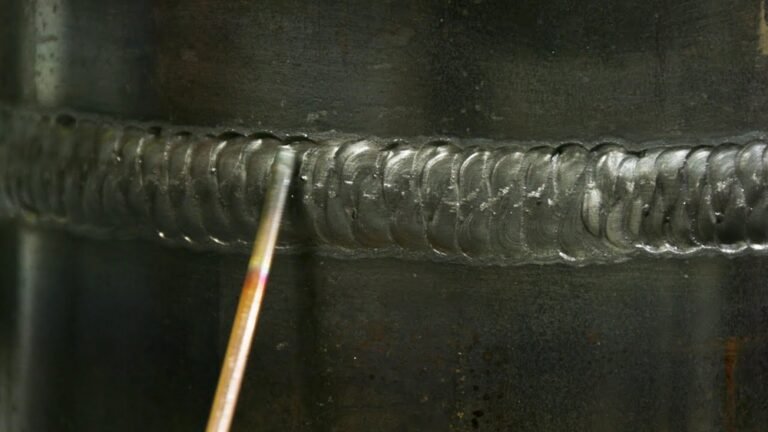
Welding undercut is a problem that can ruin the strength and appearance of a weld. Many beginners face this issue and feel unsure about how to fix it. If you want to know how to repair undercut and prevent it in the future, you’re in the right place.
This guide will show you practical solutions, step-by-step instructions, and give you helpful tips that most welders overlook.
What Is Welding Undercut?
Undercut is a groove or notch that forms along the edge of a weld bead. It looks like a small trench and usually appears where the weld meets the base metal. Undercut weakens the joint and can cause cracks over time. It’s a common mistake, especially for new welders or those working too fast.
Why Does Undercut Matter?
- Weak joints: Undercut reduces the amount of metal holding parts together.
- Poor appearance: The weld looks rough and uneven.
- Risk of failure: Undercut can lead to cracks, making the structure unsafe.
Causes Of Welding Undercut
Knowing why undercut happens is the first step to fixing it. Here are the most common causes:
- High welding speed: Moving the torch too quickly doesn’t give enough time for proper metal fusion.
- Excessive heat: Too much current melts the base metal, causing a groove.
- Incorrect angle: Wrong torch or electrode angle pushes the molten metal away from the edge.
- Low filler metal: Not enough filler metal leaves a gap between weld and base.
- Poor technique: Fast weaving or improper manipulation can cause undercut.
| Cause | Common Result |
|---|---|
| High welding speed | Shallow weld, visible groove |
| Excessive heat | Deep notch, base metal erosion |
| Wrong angle | Uneven bead, undercut on one side |
| Low filler metal | Gap at weld edge |

Credit: www.youtube.com
How To Fix Welding Undercut
You can repair undercut, but it’s important to use the right technique. Here’s a simple step-by-step process:
- Inspect the weld: Identify the undercut area. Use a bright light and magnifying glass if needed.
- Clean the surface: Remove any dirt, oil, or slag from the affected area.
- Grind the groove: Use a grinder or rotary tool to smooth the undercut. Do not remove too much metal.
- Prepare for repair: Select the correct filler metal and welding process (TIG, MIG, or Stick).
- Re-weld the groove: Run a new weld bead over the undercut. Use lower heat and slower speed.
- Check for defects: After cooling, inspect the weld for any remaining undercut.
- Finish and polish: Grind and polish the weld to match the surrounding metal.
Practical Example
Imagine you’re fixing a structural steel beam with visible undercut. You grind the groove, select a low-hydrogen electrode, and carefully run a new bead. By lowering your amperage and slowing down, you fill the trench and restore the beam’s strength.
Preventing Undercut In Welding
Prevention is always better than repair. Here’s how you can avoid undercut:
- Adjust speed: Weld at a steady pace, not too fast or slow.
- Use correct heat: Follow recommended amperage for your material and thickness.
- Keep proper angle: Hold the torch or electrode at the right angle (usually 5–15° from vertical).
- Add enough filler: Don’t skimp on filler metal; use enough to cover the edge.
- Practice technique: Consistent weaving and manipulation help avoid undercut.
| Parameter | Recommended Value | Effect on Undercut |
|---|---|---|
| Welding speed | Moderate (1–3 in/min) | Less undercut, better fusion |
| Amperage | Matched to metal thickness | Prevents overheating |
| Angle | 10°–15° from vertical | Even bead, no groove |
| Filler feed | Consistent | Fills edge properly |

Credit: www.blvengineering.com.au
Non-obvious Tips Most Welders Miss
- Check joint fit-up: Poor fit-up causes uneven welds and increases the risk of undercut. Always align your metal pieces well before welding.
- Watch for contamination: Even small amounts of oil or rust can make undercut worse. Clean the base metal thoroughly.
- Control cooling rate: If the weld cools too fast, it can shrink and cause undercut. Use preheat or slow cooling when working with thick metals.
Common Mistakes When Fixing Undercut
Many welders make mistakes when repairing undercut. Here’s what to avoid:
- Using too much heat: This can create more undercut or burn through the metal.
- Over-grinding: Removing too much metal weakens the joint.
- Ignoring inspection: Failing to check the weld after repair may leave hidden defects.
- Skipping surface prep: Not cleaning the area leads to poor fusion and more undercut.
| Mistake | Impact | How to Avoid |
|---|---|---|
| Excess heat | New undercut, weak joint | Lower amperage |
| Over-grinding | Thin base metal | Use gentle grinding |
| Poor inspection | Hidden defects | Check with light and magnifier |
| No surface prep | Poor weld quality | Clean thoroughly |

Credit: www.megmeet-welding.com
Frequently Asked Questions
What Is The Best Welding Process To Fix Undercut?
TIG welding is often the best for repairing undercut because it offers precise control. However, MIG and Stick can also work if you use proper settings and technique.
How Can I Spot Undercut During Welding?
Look for a groove along the weld edge. It usually appears as a dark line or notch. Use a flashlight and check the weld bead closely.
Is Undercut Always Dangerous?
Undercut is not always dangerous, but it can reduce strength and cause cracks. For structural or load-bearing parts, undercut must be fixed.
Can I Use Filler Rod To Repair Undercut?
Yes, adding filler rod with the right process fills the groove. Make sure to match the filler rod to your base metal for best results.
Where Can I Learn More About Welding Defects?
You can find detailed guides and standards at the American Welding Society. They offer resources for welders of all skill levels.
Fixing welding undercut is not difficult when you know the causes and use the correct repair steps. With careful inspection, proper technique, and a little patience, you can restore your welds and prevent undercut in the future. Remember, small improvements in your welding habits make a big difference in quality and safety.