
Welding stainless steel is common in many industries, from construction to food processing. But if you’ve ever welded stainless steel, you probably noticed strange colors—blue, gold, brown, or even black—appearing around the weld. This discoloration isn’t just cosmetic. It can affect the steel’s strength, corrosion resistance, and safety. Understanding why discoloration happens, and how to prevent or fix it, is important for anyone working with stainless steel.
What Causes Discoloration In Stainless Steel Welding?
When you weld stainless steel, the heat changes its surface. The high temperatures break down the protective chromium oxide layer and cause oxidation. The result is a colored film that varies by temperature and thickness. The most common shades are:
- Straw/light gold: 400–450°F
- Brown/purple: 500–600°F
- Blue: 600–800°F
- Gray/black: 800°F and above
This color shows how much heat the steel experienced. The thicker the oxide layer, the darker the color. These colors can mean reduced corrosion resistance, especially for food-grade or medical applications.
Why Is Discoloration A Problem?
Discoloration isn’t just about looks. It tells you the steel’s surface has changed. Some key concerns:
- Corrosion resistance drops: Stainless steel relies on a thin, invisible layer called chromium oxide. Welding can damage this, making the steel more likely to rust.
- Cleanliness issues: In food, pharma, or medical industries, colored welds can trap bacteria and be harder to clean.
- Mechanical properties: Severe oxidation can make the steel weaker or more brittle.
- Regulatory standards: Codes often demand welds without visible oxidation, especially in sanitary environments.
Credit: www.thefabricator.com
How To Prevent Discoloration During Welding
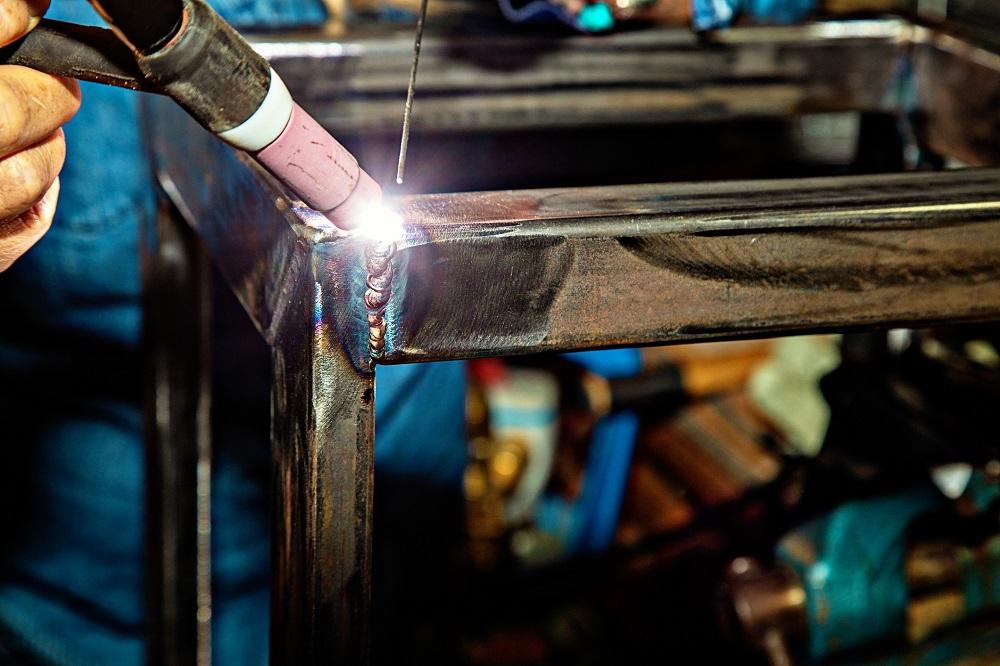
A few practical steps can limit discoloration when welding stainless steel. These methods work for both beginners and experienced welders:
- Control heat input: Use the lowest amperage needed. Avoid lingering in one spot.
- Shielding gas: Use enough argon or helium to protect the weld from air. For TIG welding, aim for 15–20 CFH (cubic feet per hour).
- Back purging: For pipe and tube welds, fill the inside with argon to protect the backside.
- Clean surfaces: Remove dirt, oil, and oxide before welding. Use a stainless wire brush.
- Correct filler material: Match the filler to the base metal’s grade.
- Fast cooling: Let the weld cool quickly to minimize oxide growth.
Here’s a comparison of common welding methods and their risk for discoloration:
| Welding Method | Discoloration Risk | Common Use |
|---|---|---|
| TIG (GTAW) | Low (with good gas coverage) | Precision work, thin materials |
| MIG (GMAW) | Medium | General fabrication |
| Stick (SMAW) | High | Structural, outdoor jobs |
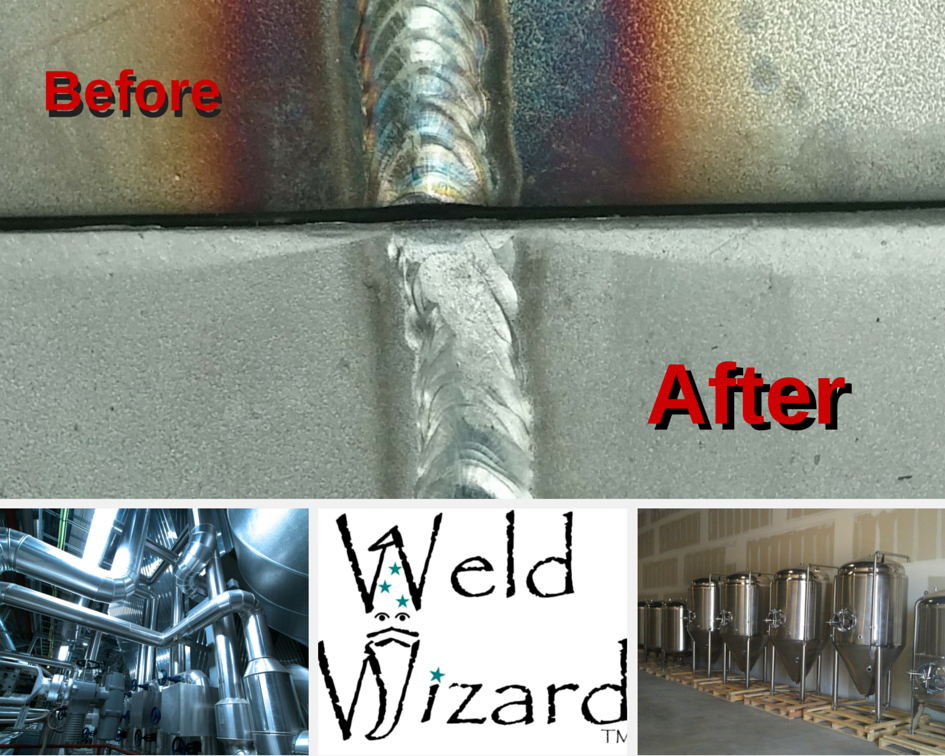
Removing Discoloration After Welding
If discoloration happens, you can fix it. Here are the main methods:
- Mechanical cleaning: Use a stainless wire brush, grinding wheel, or abrasive pad. Always use tools made for stainless steel to avoid contamination.
- Chemical cleaning (pickling): Apply a paste or solution containing nitric and hydrofluoric acids. This dissolves oxide and restores the surface. Be careful—these chemicals are dangerous and require safety gear.
- Electrochemical cleaning: Use a special machine with a carbon fiber brush and electrolyte. This method is fast, safe, and leaves a bright finish.
Let’s compare some cleaning methods:
| Cleaning Method | Effectiveness | Safety |
|---|---|---|
| Mechanical (wire brush) | Moderate | Safe |
| Chemical (pickling) | High | Hazardous |
| Electrochemical | Very High | Safe |

Credit: pubs.aws.org
Practical Tips For Better Welds
To avoid discoloration and keep stainless steel strong, follow these extra tips:
- Use dedicated tools for stainless steel to avoid contamination from carbon steel.
- Check your gas flow rate—too low or too high can cause problems.
- Practice welding on scrap pieces before doing final work.
- Watch for signs of overheating, like excessive color bands or burnt edges.
- For critical jobs, test weld samples for corrosion resistance.
Many beginners miss that back purging is essential for pipes, not just flat surfaces. Another often-overlooked point: Always let the weld cool naturally—using water or air blasts can cause cracks.
Common Mistakes To Avoid
- Using the wrong filler metal—this can cause weak welds and rapid corrosion.
- Welding dirty or oily surfaces—impurities cause more oxidation and poor weld quality.
- Ignoring shielding gas leaks—air exposure leads to heavy discoloration.
- Skipping post-weld cleaning—leaving colored oxide reduces performance.
Credit: citrisurf.com
Frequently Asked Questions
What Causes Blue And Gold Colors In Stainless Steel Welds?
The blue and gold colors come from oxidation. High heat during welding breaks down the chromium oxide layer, forming colored films. The exact shade depends on the temperature reached.
Is Discoloration Always Bad For Stainless Steel?
Not always. Minor straw or light gold shades may not harm corrosion resistance. But darker colors (blue, purple, black) often mean the protective layer is damaged, increasing rust risk.
Can You Fix Discoloration After Welding?
Yes. Use mechanical, chemical, or electrochemical cleaning to remove oxide layers. Pickling is very effective but needs careful handling. Electrochemical cleaning is safe and leaves a bright finish.
How Do You Prevent Discoloration On The Backside Of Welds?
Use back purging—fill the inside of pipes or tubes with argon gas during welding. This protects the backside from air, stopping oxidation and discoloration.
Are Colored Welds Allowed In Food Or Medical Industries?
Usually not. Industry standards require welds free of visible oxidation for hygiene and corrosion resistance. Colored welds can trap bacteria and are harder to clean.
Welding stainless steel takes skill, knowledge, and attention to detail. Discoloration is a clear signal something changed during the weld. By controlling heat, using proper shielding, and cleaning afterward, you can produce welds that are both strong and corrosion-resistant. For more in-depth technical guidelines, visit TWI Global. Remember, a clean, bright weld isn’t just about appearance—it ensures the steel’s long-lasting performance.