
When you need to join metal with maximum strength, welding is the technique professionals rely on. But not all welding methods are equal. Some are quick and easy but lack durability. Others create bonds so strong, they become part of the metal itself. Understanding the strongest type of welding is essential if you want a joint that lasts under stress, heat, and pressure.
In this guide, you’ll discover which welding process leads the pack for strength, what makes it superior, and where it’s used. You’ll also see real-world data and comparisons, so you can make informed choices whether you’re a hobbyist, a factory engineer, or just curious.
What Makes A Weld Strong?
A strong weld is more than melted metal. It must:
- Fuse deeply into both pieces
- Resist cracks, corrosion, and fatigue
- Withstand high loads or impacts
The strength depends on several factors:
- Weld type (process, filler, shielding)
- Base metal (steel, aluminum, titanium)
- Preparation (cleaning, fit-up)
- Welder skill
Not all welding methods can achieve full fusion or handle high stress. Let’s look at which methods are strongest.
Comparing Popular Welding Methods
Some welding methods are common in shops and factories. But which delivers the highest strength? Here’s a quick comparison:
| Welding Method | Max Tensile Strength (psi) | Typical Uses |
|---|---|---|
| Shielded Metal Arc (Stick) | 70,000 | Construction, repairs |
| MIG (Gas Metal Arc) | 60,000 | Automotive, fabrication |
| TIG (Gas Tungsten Arc) | 100,000+ | Aerospace, pipelines |
| Submerged Arc | 90,000 | Heavy industry |
| Friction Stir | 50,000 | Aluminum structures |
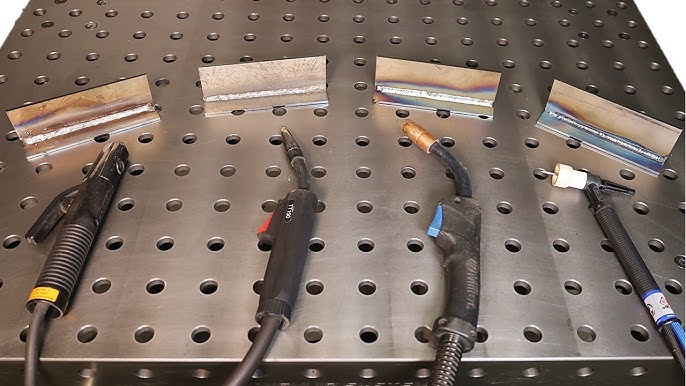
The numbers show TIG welding often produces the strongest welds, especially on high-grade steel and exotic metals.
Credit: www.youtube.com
Tig Welding: The Strongest Type
TIG welding (Gas Tungsten Arc Welding or GTAW) is widely considered the strongest for most metals. Here’s why:
- Deep fusion: TIG melts both base metals and filler for a full bond.
- Precise control: The welder can adjust heat and speed for the best result.
- Clean welds: No slag or spatter, reducing weak spots.
- Versatile: Works on steel, stainless, aluminum, titanium, and more.
TIG is used in:
- Aircraft manufacturing
- Nuclear plants
- Pressure vessels
- High-performance automotive parts
Notably, TIG welds can exceed the strength of the base metal. For example, a TIG weld on high-strength steel may reach 100,000 psi or more. In critical applications, engineers will even test weld samples to destruction to confirm quality.
Tig Vs Mig Vs Stick
How does TIG compare to other welding types? Consider this:
| Method | Weld Quality | Ease of Use | Strength |
|---|---|---|---|
| TIG | Excellent (clean, precise) | Difficult | Highest |
| MIG | Good (fast, less clean) | Easy | Medium |
| Stick | Fair (sloppy, robust) | Medium | Medium-High |
While MIG is faster and Stick is more forgiving, TIG wins for pure strength and reliability.
Other Strong Welding Methods
While TIG is king for strength, a few other methods are worth mentioning:
- Submerged Arc Welding (SAW): Used for thick steel plates, can deliver very high strength (up to 90,000 psi). Mostly for industrial, automated jobs.
- Laser Welding: Used in medical devices and high-tech industries. Offers deep fusion and low distortion, but requires expensive equipment.
- Friction Stir Welding: Ideal for aluminum and non-ferrous metals. Creates solid-state bonds, but not as strong as TIG for steel.
These methods are chosen when TIG isn’t practical, or when working with special metals and shapes.

Credit: www.choongngaiengineering.com
Real-world Examples And Insights
- Aircraft wings use TIG welding for critical joins. The welds must be stronger than the surrounding metal to prevent catastrophic failure.
- Oil pipelines often require TIG or Submerged Arc welding because leaks can be dangerous and costly.
- Custom car builders prefer TIG for roll cages and suspension, where safety depends on weld strength.
A common mistake is thinking “the bigger the weld, the stronger.” In truth, a poorly made large weld can be weaker than a small, expertly done TIG weld. Another insight: even the strongest weld can fail if the metal isn’t clean or the joint is poorly designed.
Choosing The Right Welding Method
If you need maximum strength, consider these factors:
- Metal type: TIG is best for steel, stainless, and titanium.
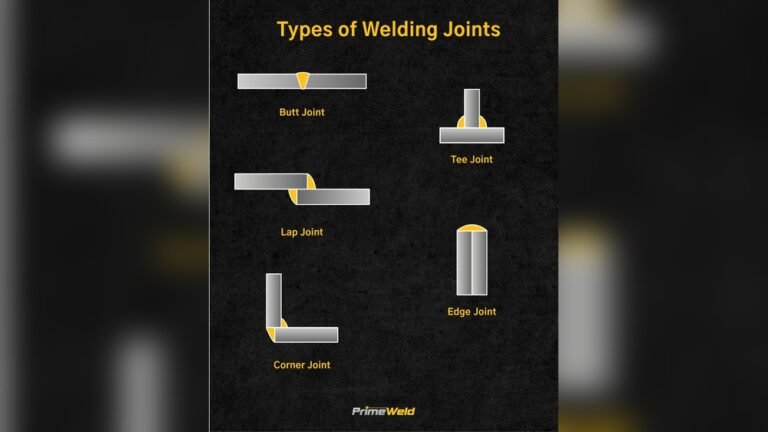
- Joint design: Full-penetration welds are stronger than fillet welds.
- Equipment: TIG requires specialized gear and skill.
- Environment: Outdoor jobs may favor Stick or MIG for practicality, but sacrifice some strength.
Avoid shortcuts like using incorrect filler metals, rushing the weld, or skipping surface cleaning. These mistakes can cut weld strength in half or more.
For more technical data and studies on welding strength, you can visit Wikipedia.

Credit: jetechnologysolutions.com
Frequently Asked Questions
What Is The Strongest Welding Method For Steel?
TIG welding is the strongest for steel, offering deep fusion and high tensile strength. Submerged Arc is also strong for thick plates.
Is Tig Welding Stronger Than Mig Welding?
Yes, TIG welding makes stronger, cleaner welds than MIG, especially on critical joints and high-grade metals.
Can Welds Be Stronger Than The Original Metal?
Sometimes, a TIG weld can match or exceed the strength of the base metal, especially with proper filler and technique.
What Affects Weld Strength Besides The Method?
Factors like metal cleanliness, joint design, filler choice, and welder skill play a big role. Even the best method can fail if these are ignored.
Is Strong Welding Always Needed?
No. For simple repairs or non-critical joins, methods like Stick or MIG are good enough. Use stronger methods for safety-critical or high-stress applications.
When you need the strongest weld, TIG welding stands out. But remember, strength also depends on preparation and skill. Choose the right method for your job, and never compromise on quality.