
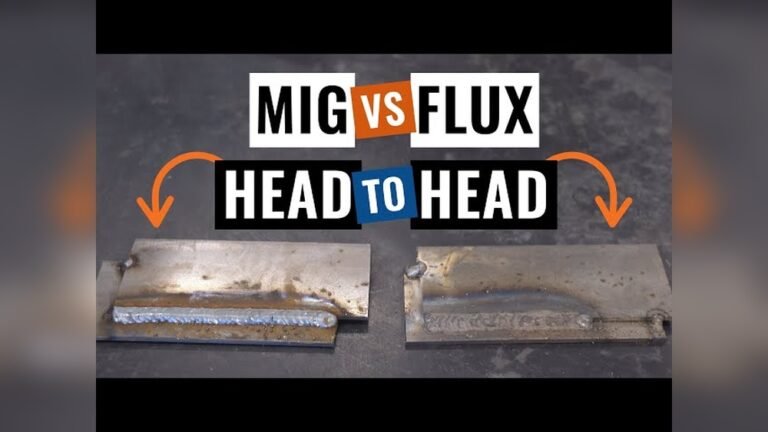
Welding is a skill that helps build everything from cars to skyscrapers. When you start learning to weld, two common choices are flux core and MIG welding. Both are popular, both use wire, but their methods, costs, and results are quite different. Choosing the right one can save you money, time, and frustration. Let’s break down the facts to help you decide which fits your needs.
How Flux Core Welding Works
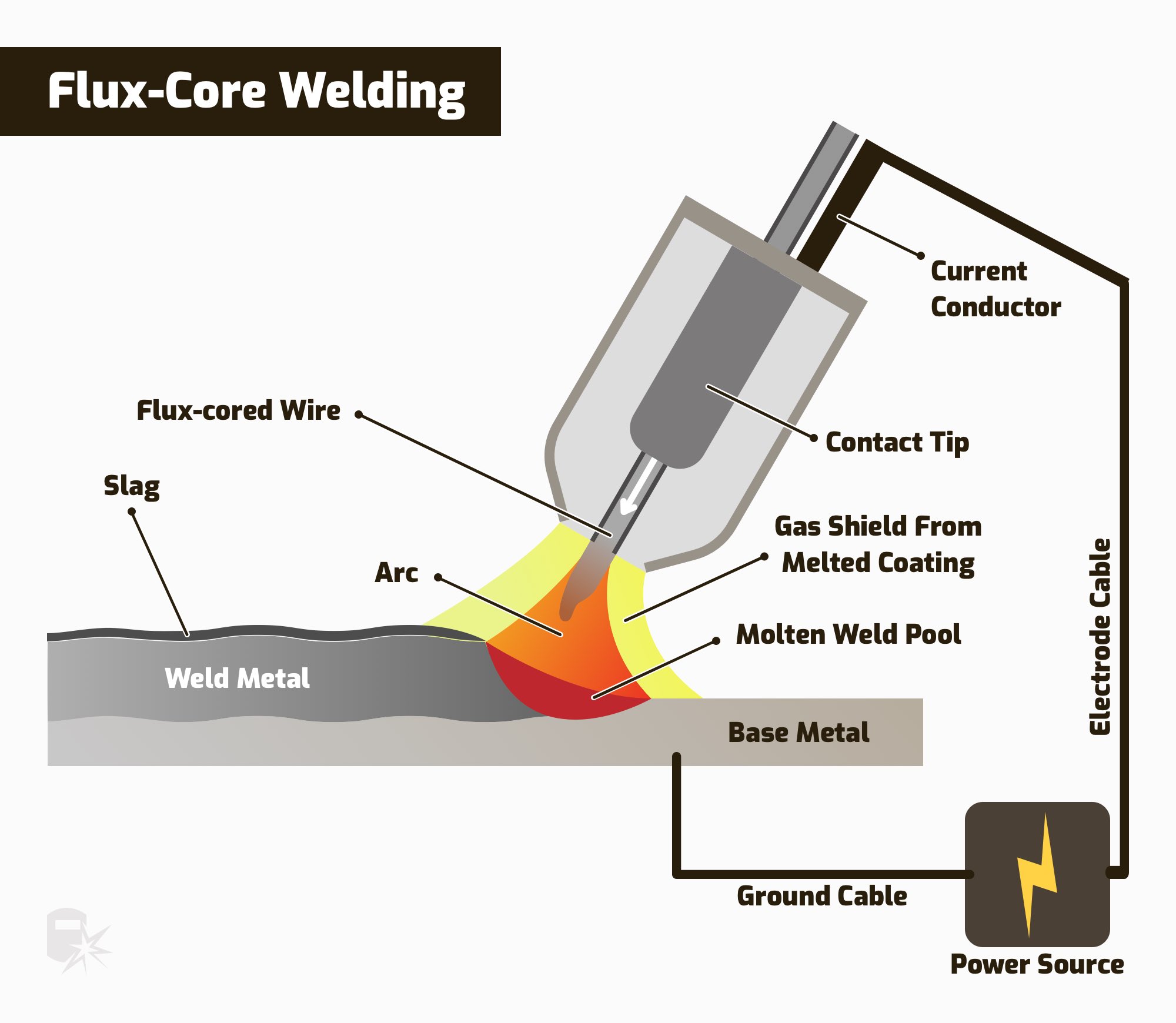
Flux core welding uses a special wire filled with flux. The flux burns as you weld, creating a shield that protects the weld from air. This means you don’t need a separate gas tank, making it handy for outdoor jobs.
Most beginners like flux core because:
- It works well on rusty or dirty metal
- It’s less sensitive to wind
- Machines are usually cheaper and portable
A classic example is farm equipment repair. Here, wind and dust are common, but flux core can handle it.
How Mig Welding Works
MIG welding stands for Metal Inert Gas welding. It uses a solid wire and a gas shield, usually argon or CO2, to protect the weld. The gas comes from a cylinder, which must be attached to the machine.
MIG welding is popular because:
- It makes cleaner, neater welds
- It’s great for thin metals
- It’s easy to learn
If you want to weld car body panels or furniture, MIG is often the better choice. The gas shield creates a smooth finish with less mess.

Credit: www.youtube.com
Key Differences: Flux Core Vs Mig
Let’s compare these two methods side by side in the table below:
| Factor | Flux Core | MIG |
|---|---|---|
| Shielding | Flux from wire | External gas |
| Outdoor Use | Excellent | Poor (wind blows gas away) |
| Metal Cleanliness | Can handle dirty/rusty metal | Needs clean metal |
| Weld Appearance | More spatter, rougher | Smoother, cleaner |
| Equipment Cost | Lower | Higher (needs gas) |
| Skill Level | Beginner-friendly | Beginner-friendly |
| Typical Applications | Construction, repairs | Auto, fabrication |
Cost Comparison
The price of welding gear matters, especially for beginners or hobbyists. Here’s a quick look at average costs:
| Item | Flux Core | MIG |
|---|---|---|
| Machine | $200–$350 | $300–$500 |
| Wire (per lb) | $5–$7 | $4–$6 |
| Shield Gas | None | $50–$100 per cylinder |
| Maintenance | Low | Medium (gas parts, cleaning) |
As you see, flux core is often cheaper to start. It’s also less expensive to run since you don’t buy gas. However, wire for flux core can cost a bit more per pound.

Credit: ssmalloys.com
Strength And Quality Of Welds
A common myth is that flux core welds are weak. Actually, they can be as strong as MIG welds, especially on thick metal. Flux core is often used in construction and heavy repairs.
MIG welds are usually neater and require less cleaning. For thin sheet metal, MIG is less likely to burn holes. If appearance matters, MIG is often the winner.
When To Use Each Method
Choosing the right welding method depends on your project:
- Outdoor Repairs: Flux core works best, as wind won’t blow away the shield.
- Clean, Thin Metal: MIG makes a perfect, shiny weld.
- Dirty or Rusty Metal: Flux core can weld right through mild rust.
- Budget Concerns: Flux core is cheaper for beginners.
- Professional Fabrication: MIG is favored for its precision.
One insight many beginners miss: flux core is not just for outdoors or rough jobs. Many professionals use it in shops for thicker metals and quick repairs.
Another non-obvious tip: MIG machines can often run flux core wire. This means you can switch between methods if you buy a MIG setup.
Credit: weldguru.com
Common Mistakes Beginners Make
- Using MIG outdoors without wind protection. The gas shield can blow away, causing weak welds.
- Not cleaning metal for MIG welding. Even small amounts of oil or rust can ruin the weld.
- Choosing flux core for thin, delicate metal. It can burn through, making holes.
- Forgetting safety gear. Both methods create sparks and fumes; always use a mask and gloves.
Real-world Example
Let’s say you want to fix a gate outside. The metal is rusty, and it’s windy. Flux core is ideal. But if you’re making a decorative shelf for your home, MIG welding will look nicer and need less cleanup.
Practical Tips For Better Results
- For flux core, use a wire brush to remove heavy rust before welding.
- For MIG, keep the gas flow steady and check hoses for leaks.
- If switching between methods, read your machine’s manual—settings change for flux core vs MIG.
You can find more technical details about welding methods at Wikipedia.
Frequently Asked Questions
What Is The Main Difference Between Flux Core And Mig Welding?
The biggest difference is how the weld is shielded. Flux core uses a wire with flux inside to protect the weld. MIG welding uses a separate gas tank to shield the weld.
Can I Use Flux Core Wire In A Mig Welder?
Yes, most MIG welders can run flux core wire. You just need to change the polarity setting and remove the gas tank.
Which Method Is Better For Beginners?
Both methods are beginner-friendly. If you have a small budget or plan to weld outdoors, flux core is easier to start. For cleaner, indoor projects, MIG is a good choice.
Are Flux Core Welds As Strong As Mig Welds?
Yes, flux core welds can be just as strong, especially on thick metal. However, MIG welds usually look better and need less cleaning.
Do I Need Special Safety Gear For Flux Core Or Mig Welding?
Always wear safety gear like a welding mask, gloves, and a jacket. Both methods create sparks and fumes that can harm your skin and lungs.
Choosing between flux core and MIG depends on your project, budget, and skill. Each method has strengths. If you plan carefully, you can get great results and enjoy welding for years to come.