
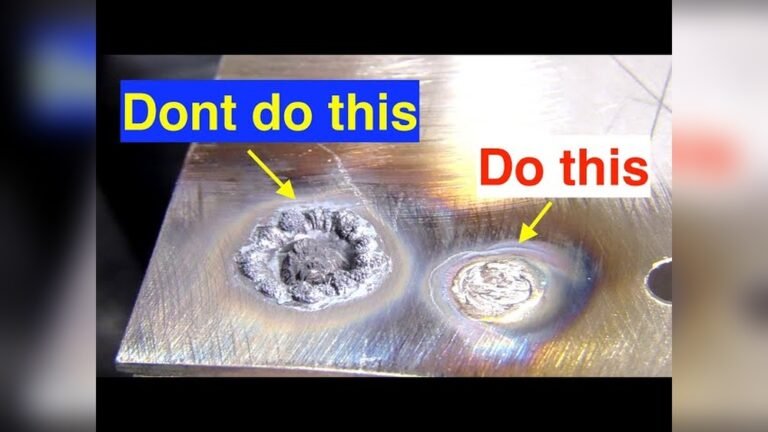
TIG welding is a popular process for joining metals, especially stainless steel. One problem many welders face is sugaring, a type of oxidation that damages the weld. Sugaring not only makes the weld look bad, but it also weakens the metal. If you want your TIG welds to be strong and clean, understanding sugaring is essential.
Sugaring is more than just a cosmetic issue. It can lead to corrosion, which is dangerous in industries like food processing, medical devices, and pipelines. In these fields, even small weld defects can cause big problems. That’s why avoiding sugaring is a must for anyone working with stainless steel or other sensitive metals.
What Is Tig Welding Sugaring?
Sugaring is a term for excessive oxidation on the back side of a TIG weld. When metal gets too hot and is exposed to oxygen, the surface turns rough and dull. This rough layer is called “sugar” because it looks like burnt sugar crystals. Sugaring happens most often with stainless steel, but it can affect other alloys too.
The main cause is a lack of shielding gas. During TIG welding, argon gas protects the weld from air. If the gas doesn’t reach the back side, oxygen reacts with the metal and forms chromium oxides. These oxides are brittle and can flake off, leaving the weld weak.
Common Metals Affected
- Stainless steel (most at risk)
- Nickel alloys
- Titanium
Sugaring rarely appears on mild steel, but it’s a real concern for metals that rely on a protective oxide layer.
Why Sugaring Is A Serious Problem
Sugaring is not just about looks. It can affect the strength, corrosion resistance, and cleanliness of the weld. Here’s why:
- Weakens the Weld: Sugared metal loses its natural protective layer, making it easier for cracks to form.
- Promotes Corrosion: The rough surface traps moisture and bacteria, leading to rust—especially dangerous in food and medical industries.
- Fails Inspection: Many industries have strict weld standards. Sugaring often means automatic rejection.
For example, in the food industry, a sugared weld can hide bacteria, leading to contamination. In pipelines, sugaring increases the risk of leaks.

Credit: www.reddit.com
How To Prevent Tig Welding Sugaring
Avoiding sugaring is all about proper shielding and heat control. Here are proven methods:
1. Use Back Purging
Back purging is the process of flooding the back side of the weld with argon gas. This keeps oxygen away and protects the metal.
- Seal gaps in pipes with tape or caps.
- Use a purge gas regulator to control flow.
- Wait for the oxygen level to drop before welding.
2. Adjust Heat Settings
Excessive heat causes sugaring. Keep your amperage as low as possible while still getting good fusion.
- Use a foot pedal for control.
- Start with lower settings and increase if needed.
3. Clean The Metal
Dirty surfaces make sugaring worse. Always clean the joint area with a wire brush or solvent.
- Remove all oil and grease.
- Use dedicated stainless steel brushes (not carbon steel).
4. Monitor Shielding Gas Coverage
Make sure the torch delivers enough argon. Use a larger gas cup for wider coverage.
- Check for drafts that blow away gas.
- Inspect hoses and fittings for leaks.
5. Use Proper Filler Rods
Choose filler rods that match the base metal. Some rods have higher chromium content, helping resist oxidation.
- For stainless steel, use ER308L or ER316L rods.
Example: Sugaring Vs. Clean Weld
Let’s compare a sugared weld and a properly shielded weld:
| Weld Type | Appearance | Strength | Corrosion Resistance |
|---|---|---|---|
| Sugared Weld | Rough, dull, dark | Low | Poor |
| Clean Weld | Shiny, smooth | High | Excellent |
Back Purging Techniques Compared
Different methods for back purging have their own benefits and drawbacks. Here’s a quick look:
| Method | Gas Efficiency | Setup Complexity | Best Use |
|---|---|---|---|
| Pipe Caps | High | Simple | Small pipes |
| Purge Box | Medium | Moderate | Flat sheets |
| Foil/Tape | Low | Easy | Quick repairs |
Shielding Gas Comparison
Argon is the most common gas, but sometimes welders use a mix. Here’s a comparison:
| Gas Type | Shielding Quality | Cost | Typical Use |
|---|---|---|---|
| Argon | Excellent | Medium | All metals |
| Argon-Helium Mix | Good | High | Thicker metals |
| Nitrogen | Fair | Low | Non-critical welds |

Credit: www.youtube.com
Two Insights Beginners Often Miss
Many beginners do not realize that even tiny holes or cracks in the purging setup allow oxygen to slip in, causing sugaring. It’s important to seal every gap carefully. Another common mistake is using the wrong brush type for cleaning.
Carbon steel brushes can contaminate stainless steel, increasing the risk of sugaring.
Real-world Example
A welder in a food processing plant noticed frequent sugaring on pipe welds. After switching to dedicated stainless steel brushes and improving their purge sealing, the welds passed inspection every time. This small change made a big difference in quality and safety.

Credit: www.millerwelds.com
Frequently Asked Questions
What Causes Sugaring In Tig Welding?
Sugaring is caused by exposure to oxygen during welding, especially when the back side of the weld isn’t shielded with argon gas.
How Can I Fix A Sugared Weld?
You can grind away the sugared layer, but it’s better to prevent it. Grinding removes material and can weaken the weld.
Is Sugaring Dangerous For Stainless Steel?
Yes. Sugaring makes stainless steel lose its corrosion resistance and can lead to rust, cracks, or even contamination.
Do I Need To Back Purge Every Weld?
You should back purge every weld where both sides will be exposed or where corrosion resistance is critical. For hidden joints, it may not be necessary.
Where Can I Learn More About Tig Welding Standards?
Visit Wikipedia for a detailed overview of TIG welding processes and standards.
If you want clean, strong TIG welds, avoiding sugaring is key. Paying attention to gas coverage, heat, and cleaning will help you make welds that last. Practice with different purging techniques and check your welds often. Small details, like proper brush use and sealing gaps, make a big difference.
TIG welding is a skill, and with the right habits, you can avoid the common mistakes that lead to sugaring.