
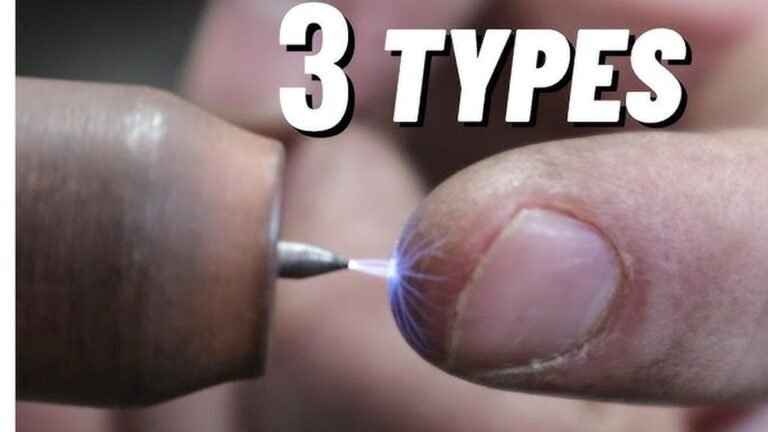
Welding is a skill that shapes metal into useful tools, vehicles, and buildings. If you want to master TIG welding, choosing between pedal and lift arc methods can affect your results. These two approaches control how the welding arc starts and how much heat you use. Each has advantages and challenges. Understanding them will help you work faster, safer, and with better quality.
What Is Tig Welding?
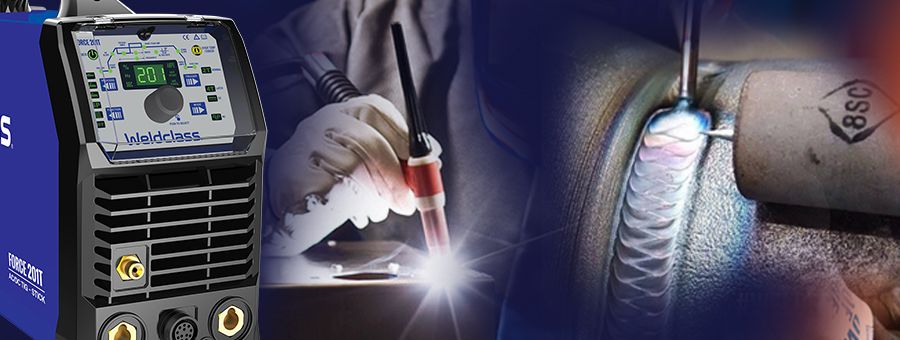
TIG welding (Tungsten Inert Gas) uses a tungsten electrode to create the arc. You add filler metal by hand, and a shielding gas protects the weld from contamination. TIG welding is known for its precision and clean welds. It’s popular in industries like aerospace, automotive, and fabrication.
Tig Welding Pedal: How It Works
A TIG welding pedal is like a gas pedal in a car. It lets you control the amperage (heat) with your foot while you weld. This means you can adjust the arc instantly, making it easier to handle different thicknesses and materials.
Key Benefits
- Precise control: You can increase or decrease heat on the fly. This is useful for thin metals and tricky corners.
- Cleaner starts and stops: The pedal lets you start the arc smoothly and stop without leaving marks.
- Better for long welds: You can keep working without stopping to adjust settings.
Challenges
- You need to use your foot, which can be hard if you’re welding in a tight space or awkward position.
- It requires practice to coordinate hand and foot movements.
Real Example
Many professional welders prefer pedals for aluminum and stainless steel because these materials need precise heat control. For example, welding a bike frame often uses a pedal because you must adjust heat quickly.
Credit: www.youtube.com
Lift Arc Tig Welding: How It Works
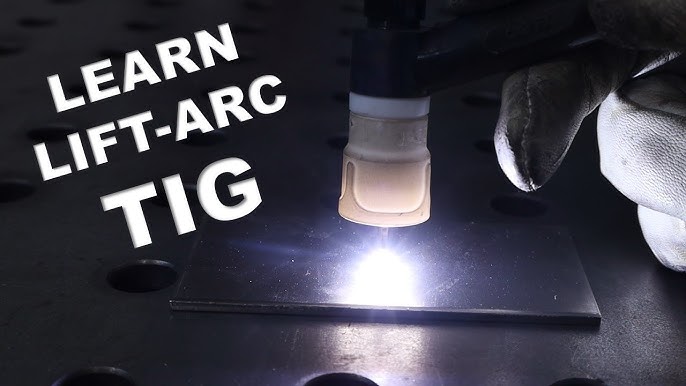
Lift arc is a way to start the TIG arc without a foot pedal. You touch the tungsten to the metal, then lift it away. The machine senses the contact and starts the arc. This method is common on portable TIG machines and in situations where using a pedal is difficult.
Key Benefits
- Simplicity: No extra equipment. Just the torch and the machine.
- Easier for field work: Perfect for welding outside or in tight areas.
- Lower cost: Machines without pedals are usually cheaper.
Challenges
- You cannot adjust amperage while welding. You set it before you start.
- Starting the arc can sometimes leave small marks or contamination.
- Less control for delicate tasks.
Real Example
Lift arc is popular for repair work on pipelines or automotive parts where moving a pedal is not practical.
Pedal Vs Lift Arc: Direct Comparison
To help you see the differences clearly, here is a comparison:
| Feature | Pedal | Lift Arc |
|---|---|---|
| Heat Control | Dynamic (foot control) | Fixed (pre-set) |
| Arc Start | Smooth, controlled | Can leave marks |
| Best Use | Precision work | Field/portable jobs |
| Cost | Higher | Lower |
Choosing The Right Method
Your decision depends on your needs:
- For precision welding (thin metals, complex shapes), the pedal is better.
- For quick repairs or outdoor jobs, lift arc is more practical.
- If you work in a shop with plenty of space, a pedal is easy to use.
- In tight spots (under a car, inside machinery), lift arc saves time.
Common Mistakes And Tips
Even experienced welders make mistakes. Here are some things to watch out for:
- Pedal overuse: Beginners sometimes use too much amperage. Start low and practice smooth foot movements.
- Lift arc contamination: Touching the tungsten to dirty metal can cause contamination. Always clean the surface first.
- Wrong setup: Double-check machine settings. For lift arc, set amperage before you start.
- Ignoring ergonomics: Using a pedal for hours can strain your leg. Adjust your seat and workspace.
Two Insights Beginners Miss
- Pedal sensitivity matters: Not all pedals are equal. A responsive pedal gives you more control. If your pedal feels “jumpy,” try a different model.
- Lift arc technique affects quality: How you lift the torch impacts the arc start. Practice lifting smoothly to avoid marks.
Credit: www.weldclass.com.au
Data: How Often Each Is Used
A survey of professional welders shows:
| Application | Pedal Use (%) | Lift Arc Use (%) |
|---|---|---|
| Workshop Welding | 80 | 20 |
| Field Repairs | 30 | 70 |
| Automotive | 60 | 40 |
This shows pedals are more common in shops, while lift arc dominates field jobs.
Safety And Practical Advice
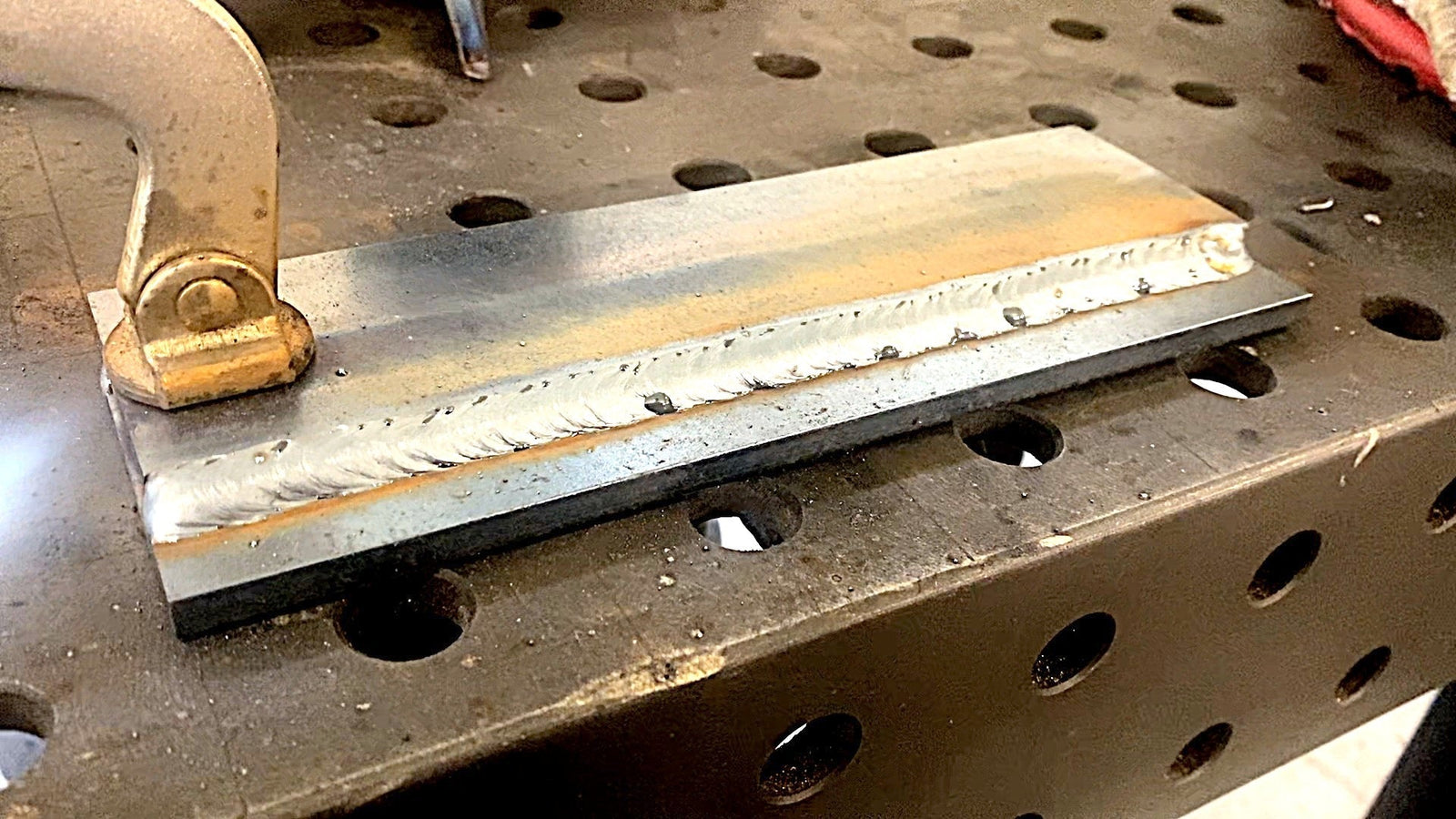
Both methods are safe if used correctly. With pedals, watch your foot position to avoid slips. With lift arc, keep your tungsten sharp and surfaces clean. Always use proper gloves and eye protection.
If you’re new to TIG welding, start with lift arc. It’s easier for beginners and costs less. Once you’re comfortable, try a pedal for more advanced work.
Credit: weldmongerstore.com
Faq: Frequently Asked Questions
What Is The Main Difference Between Pedal And Lift Arc Tig Welding?
The main difference is heat control. A pedal lets you adjust heat during welding, while lift arc uses a fixed heat setting.
Can I Use Both Methods With The Same Tig Welder?
Many modern TIG welders support both pedal and lift arc modes. Check your machine’s manual to see which options are available.
Which Method Is Better For Beginners?
Lift arc is simpler and easier to learn. Beginners can focus on torch control without worrying about foot coordination.
Does Using A Pedal Improve Weld Quality?
Yes, a pedal gives you more control, which can lead to cleaner, stronger welds, especially on thin or complex metals.
Where Can I Learn More About Tig Welding Techniques?
A good resource is Wikipedia, which covers basics and advanced TIG welding concepts.
Choosing between TIG welding pedal and lift arc comes down to your workspace, project type, and skill level. Both methods can produce excellent welds if you understand their strengths and weaknesses. Try each approach and discover which fits your style and needs.