TIG welding is known for making precise, clean welds on many types of metals. One of the most important parts of the TIG welding process is the tungsten electrode. The type of tungsten you use can affect how easy it is to weld, the quality of your welds, and even your safety. But with so many types and colors, how do you know which one is right? The TIG welding tungsten color chart helps you choose the right tungsten electrode for your job, whether you’re working on stainless steel, aluminum, or other metals.
Understanding Tig Welding Tungsten Electrodes
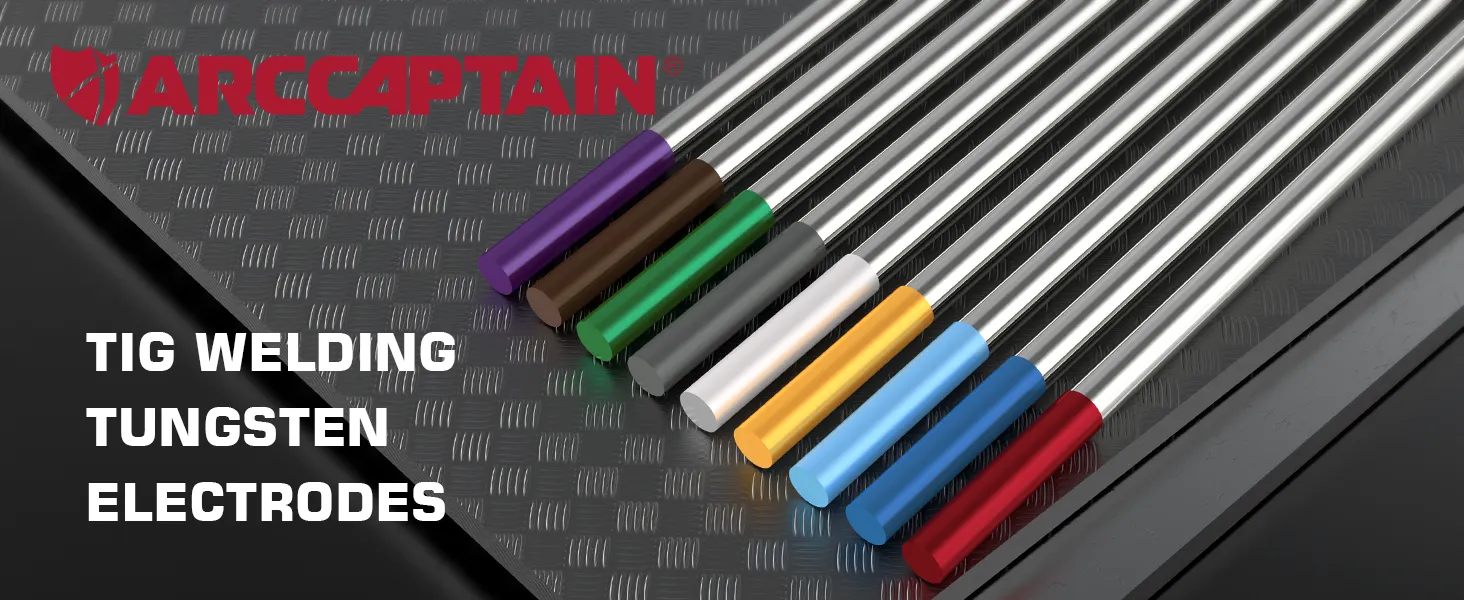
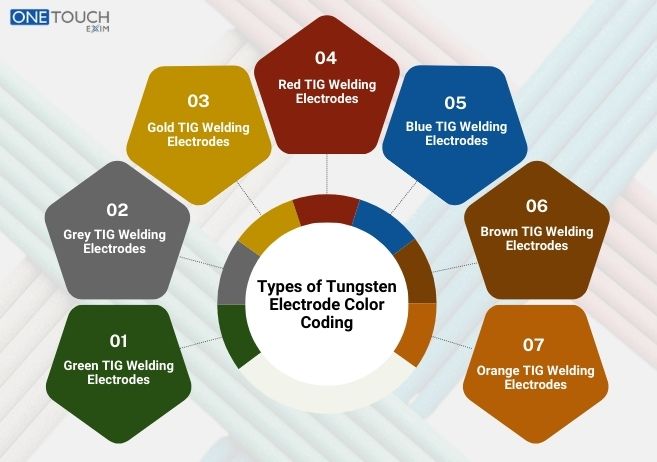
Tungsten electrodes carry the electrical current that creates the arc in TIG welding. They are made mainly from tungsten, but often include other elements to improve performance. Different types of electrodes are identified by color codes—a small stripe on the tip or side of the rod.
Each color means a different composition and is suited for specific tasks. For example, some are better for alternating current (AC), others for direct current (DC), and some work best with certain metals.
Tig Welding Tungsten Color Chart: What The Colors Mean
Here’s a breakdown of the most common tungsten electrode colors, their main features, and typical uses:
| Color | Type | Composition | Common Uses |
|---|---|---|---|
| Green | Pure Tungsten | 99.5% Tungsten | AC welding, Aluminum, Magnesium |
| Red | Thoriated | 97.3% Tungsten, 1.7–2.2% Thorium | DC welding, Steel, Stainless Steel |
| Gold | Lanthanated | 97.8% Tungsten, 1.3–1.7% Lanthanum | AC & DC, Steel, Aluminum, Copper |
| Blue | Lanthanated | 98.6% Tungsten, 1.7–2.2% Lanthanum | AC & DC, Multipurpose |
| Gray | Ceriated | 97.3% Tungsten, 1.8–2.2% Cerium | Low amp DC, Thin metals, Small parts |
| White | Zirconiated | 99.1% Tungsten, 0.15–0.40% Zirconium | AC welding, Aluminum, Magnesium |
Credit: www.arccaptain.com
How To Use The Tungsten Color Chart
Choosing the right tungsten starts with the metal you are welding and the power source (AC or DC). For example:
- Green (Pure Tungsten): Best for AC welding on aluminum. Not ideal for steel or DC welding.
- Red (Thoriated): Great for DC welding on steel and stainless steel, but contains radioactive thorium (safety risk).
- Gold/Blue (Lanthanated): Multipurpose electrodes. Work well on both AC and DC. Popular for their long life and stable arc.
- Gray (Ceriated): Good for welding at low amperages, such as thin gauge metals.
- White (Zirconiated): Often used for AC welding on aluminum and magnesium due to its resistance to contamination.
For most hobbyists, the gold (1.5% lanthanated) or blue (2% lanthanated) electrodes are the easiest starting points. They are safe, multipurpose, and widely available.
Performance Comparison Of Popular Tungsten Types
Here’s a quick look at how different tungsten types perform in common welding situations:
| Electrode Type | Arc Stability | Electrode Life | Contamination Resistance |
|---|---|---|---|
| Green (Pure) | Good (AC) | Low | Low |
| Red (Thoriated) | Excellent (DC) | High | Moderate |
| Gold (1.5% Lanthanated) | Excellent | High | High |
| Gray (Ceriated) | Very Good (Low Amp) | Moderate | Moderate |
| White (Zirconiated) | Good (AC) | High | Very High |
Credit: onetouchexim.com
Safety Tips For Using Tungsten Electrodes
Some tungsten electrodes, like red (thoriated), contain radioactive materials. While the risk is low if handled carefully, it’s important to:
- Always grind electrodes with a dedicated tungsten grinder or wheel.
- Wear a mask when grinding thoriated electrodes.
- Avoid inhaling dust.
- Wash hands after handling.
For most welders, especially beginners, it’s safer to choose non-radioactive electrodes like gold (lanthanated) or blue (lanthanated).
Common Mistakes When Using The Color Chart
Even experienced welders can make errors when picking tungsten. Here are some things beginners often miss:
- Assuming all electrodes work the same: Each color and composition reacts differently to AC or DC, and to different metals.
- Ignoring amperage: Some electrodes, like ceriated (gray), are best for low amps and may not perform well at high currents.
- Overlooking contamination: Using the wrong electrode can cause tungsten to break down or contaminate the weld.
- Not sharpening properly: The shape of the electrode tip also matters. For DC, a sharp point is best. For AC, a slightly rounded tip prevents splitting.
Practical Example: Choosing For Aluminum Vs Steel
Suppose you need to weld aluminum. You will usually use AC. The best choices are green (pure tungsten), gold (lanthanated), or white (zirconiated). If you’re welding steel with DC, red (thoriated) or gold (lanthanated) are popular.
Here’s a simple reference for quick selection:
| Metal | Current Type | Recommended Color(s) |
|---|---|---|
| Aluminum | AC | Green, Gold, White |
| Steel | DC | Red, Gold, Blue |
| Stainless Steel | DC | Red, Blue, Gold |
| Magnesium | AC | Green, White |
Non-obvious Insights For Better Results
- Electrode preparation is as important as selection. Always grind your tungsten in the direction of the length, not across it. This creates a stable arc.
- One type doesn’t fit all jobs. Even if a certain tungsten works for most metals, you might get better welds by switching for special projects or difficult alloys.
Where To Learn More
If you want to dig deeper into tungsten electrodes and their properties, you can read more at the Wikipedia Tungsten Electrode page.
Frequently Asked Questions
What Happens If I Use The Wrong Tungsten Color?
Using the wrong tungsten can cause poor arc stability, contamination, or even damage to your weld. Always match the electrode to your metal and welding current.
Is Thoriated Tungsten Dangerous?
Thoriated tungsten contains a small amount of radioactive thorium. The risk is mainly when grinding, so use a mask and proper ventilation. Many welders now use safer alternatives like lanthanated tungsten.
Can I Use One Tungsten Color For All Metals?
Some types, like gold (lanthanated) or blue (lanthanated), are suitable for most metals and current types. However, for the best results, match the electrode to your specific job.
Why Does The Tip Of My Tungsten Ball Up Or Split?
This often happens when using the wrong tungsten for your current, or if the amperage is too high. For AC, a rounded tip is normal; for DC, keep it sharp.
How Do I Know When To Replace My Tungsten Electrode?
Replace your electrode when it becomes contaminated, misshapen, or if the arc becomes unstable. A clean, properly shaped tip will always give better welds.
A clear understanding of the TIG welding tungsten color chart helps you make better welds, avoid mistakes, and work safely. By choosing the right tungsten, preparing it well, and following safety steps, you’ll get the most from your TIG welding projects.

Credit: www.arccaptain.com