
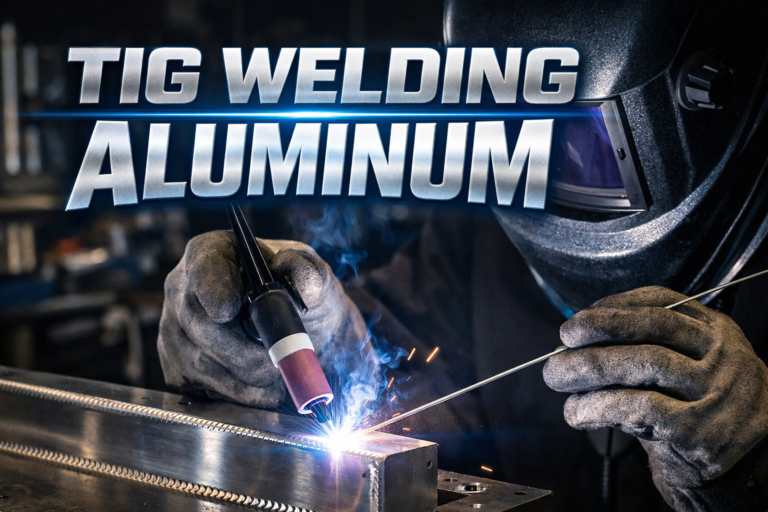
Tig Welding Aluminum: A Complete Guide For Beginners
Welding aluminum using TIG (Tungsten Inert Gas) is a valuable skill in many industries, from automotive repair to aerospace. Aluminum is lightweight, strong, and resistant to corrosion. But it’s also tricky to weld because it has a low melting point and reacts quickly to heat.
If you want to create clean, strong aluminum welds, you need to understand the right techniques, settings, and mistakes to avoid. This guide covers everything you need to know to get started with TIG welding aluminum, even if you’re a complete beginner.
What Makes Aluminum Welding Unique?
Aluminum behaves differently from steel during welding. It has a thin oxide layer that melts at a much higher temperature than the metal itself. While pure aluminum melts at about 1,221°F (660°C), the oxide layer melts at around 3,700°F (2,037°C). This means the oxide must be removed or broken up during welding, or the weld will not bond properly.
Another challenge is that aluminum is an excellent heat conductor. Heat spreads quickly, so it’s easy to burn through thin material or lose control over the weld puddle. That’s why precise control and technique are essential.
Equipment Needed For Tig Welding Aluminum
To weld aluminum successfully, you need the right equipment:
| Equipment | Purpose | Recommended Type |
|---|---|---|
| TIG Welder | Power source and controls | AC-capable TIG (not just DC) |
| Tungsten Electrode | Creates the arc | 2% Lanthanated or Pure Tungsten |
| Filler Rods | Adds material to the joint | ER4043 or ER5356 (depends on alloy) |
| Shielding Gas | Protects weld from air | 100% Argon |
| Protective Gear | Safety | Welding helmet, gloves, jacket |
Using an AC (alternating current) TIG welder is critical for aluminum. AC helps “clean” the oxide layer as you weld, allowing for a stronger bond.
Step-by-step: How To Tig Weld Aluminum
1. Clean The Metal
Use a stainless steel wire brush or dedicated aluminum brush to scrub the weld area. Remove grease and oil with acetone or a special degreaser. Any contamination will weaken the weld.
2. Set Up Your Machine
Choose AC polarity. Set the amperage based on material thickness (typically, 1 amp per 0.001” of material as a starting point). Use a high-frequency start if available for a more stable arc.
3. Prepare The Electrode
Select a tungsten electrode (usually 3/32” or 2.4mm for most jobs). Sharpen the tip to a slight ball shape for AC welding.
4. Fit Up The Joint
Align and clamp the pieces tightly. Poor fit-up leads to weak welds.
5. Weld Technique
Hold the torch at a 70-80° angle. Keep the filler rod in the leading edge of the weld puddle. Move steadily, adding filler as needed. Don’t let the arc wander.
6. Control The Heat
If the metal starts to sag or burn through, reduce amperage or increase travel speed.
7. Cool Down
Let the weld cool naturally. Rapid cooling can cause cracks.
Tip: Many beginners don’t realize how important joint cleanliness is. Even a small amount of oil or oxide can ruin a weld. Also, always dedicate brushes and tools to aluminum to avoid contamination from other metals.
Choosing The Right Filler Rod
The two most common filler rods for TIG welding aluminum are ER4043 and ER5356. Picking the right one depends on your base material and application.
| Filler Rod | Main Uses | Strength | Special Notes |
|---|---|---|---|
| ER4043 | Most general aluminum alloys (except 5xxx series) | Medium | Flows well, less prone to cracking |
| ER5356 | 5xxx series aluminum, marine applications | High | Better corrosion resistance, slightly harder to weld |
When in doubt, check the base alloy and consult a reference chart or the manufacturer’s recommendations.
Common Mistakes And How To Avoid Them
Even experienced welders can struggle with aluminum. Here are some common errors and how to prevent them:
1. Dirty Metal
Skipping the cleaning step is the top mistake. Any oil, dirt, or oxide will cause porosity or weak welds.
2. Wrong Polarity
Using DC instead of AC will not break the oxide layer. Always use AC for TIG welding aluminum.
3. Poor Torch Angle
Holding the torch too vertical or too flat causes poor penetration or a messy weld bead.
4. Too Much Heat
Overheating leads to burn-through. Start with a lower amperage, especially on thin materials.
5. Incorrect Filler Rod
Using the wrong rod can lead to cracks or corrosion. Always match the rod to your base metal.
Advanced Tips For Cleaner Welds
- Preheat thick sections (over 1/4” or 6mm) to 300-400°F (150-200°C) to reduce cracking risk.
- Use a gas lens on your torch for smoother gas flow and a more stable arc.
- If you see black soot, check for leaks in your argon gas supply or contamination on the metal.
- Practice on scrap pieces first to dial in your settings before working on your final part.
Safety First
Welding aluminum produces intense light and heat. Always wear a certified auto-darkening helmet, fire-resistant clothing, and gloves. Ensure good ventilation, as some aluminum alloys can create harmful fumes. Keep a fire extinguisher nearby, and never weld near flammable materials.
For more in-depth safety and technique guides, the Wikipedia TIG welding article offers additional resources.
Frequently Asked Questions
What Is The Best Shielding Gas For Tig Welding Aluminum?
Pure argon is the most common and effective shielding gas for TIG welding aluminum. It provides a stable arc and protects the weld from contamination.
Can I Use Dc For Tig Welding Aluminum?
No. You need to use AC polarity when TIG welding aluminum. DC will not remove the oxide layer, leading to poor weld quality.
Why Do My Aluminum Welds Look Dirty Or Have Black Soot?
Black soot often means contamination or a problem with shielding gas coverage. Make sure the metal is clean and the gas flow is correct.
What Thickness Of Aluminum Is Best For Beginners?
Start with 1/8 inch (3mm) thick aluminum. It’s thick enough to avoid burn-through but thin enough to practice controlling heat.
Do I Need A Special Tig Welder For Aluminum?
Yes. Your TIG welder must have AC capability. Not all TIG machines can weld aluminum, so check the specifications before buying or using one.
Welding aluminum with TIG can be challenging at first, but with practice and attention to detail, you’ll see great results. Remember: cleanliness, correct settings, and steady hands make all the difference.