
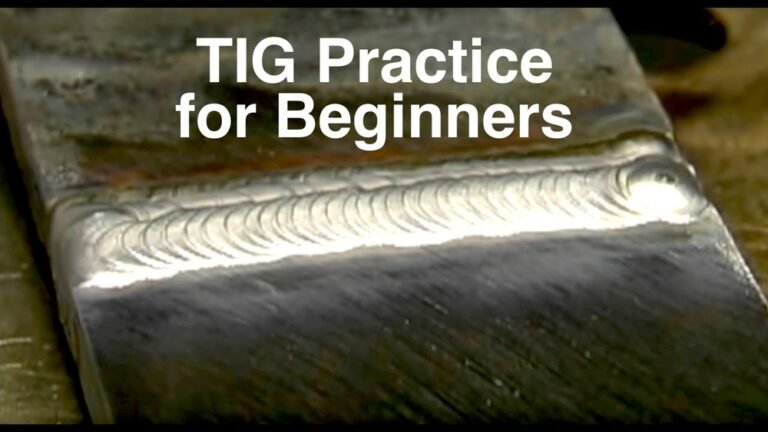
TIG welding, also known as Gas Tungsten Arc Welding (GTAW), is a skill many beginners want to learn for its clean welds and precision. Unlike other welding types, TIG uses a tungsten electrode and shielding gas to protect the weld area from contamination. If you’re just starting, it’s normal to feel confused by the tools, steps, and techniques. In this guide, you’ll discover how TIG welding works, what equipment you need, how to set up, and some practical tips to avoid common mistakes. With careful practice, TIG welding can help you create strong, beautiful joints in metals like aluminum and stainless steel.
What Is Tig Welding?
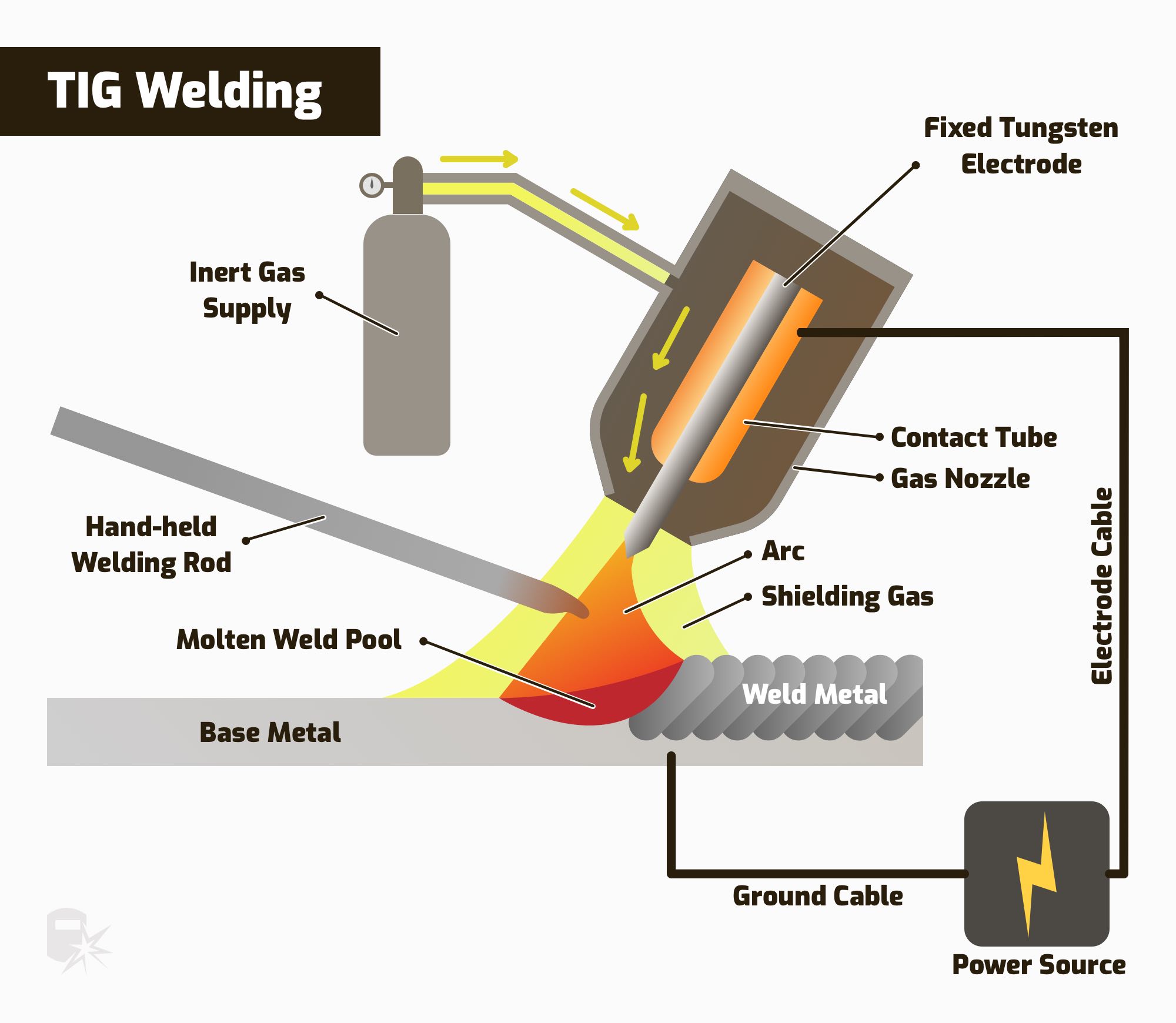
TIG welding uses a non-consumable tungsten electrode to create a weld. The process relies on an argon shielding gas to protect the weld from air. Unlike MIG welding, TIG allows the welder to control the heat and add filler material by hand. This makes TIG ideal for thin metals, detailed work, and projects where appearance matters.
TIG welding is widely used in industries like automotive, aircraft, and food processing because it produces clean, high-quality welds with no splatter. According to the American Welding Society, TIG welding can achieve tensile strengths over 70,000 psi in stainless steel joints.
Essential Tig Welding Equipment
Beginners need the right tools to get started safely and effectively. Here’s a quick comparison of common TIG welding machines:
| Model | Amperage Range | Suitable Metals | Price Range (USD) |
|---|---|---|---|
| Lincoln Square Wave TIG 200 | 10-200A | Steel, Aluminum | 1,200-1,500 |
| Miller Diversion 180 | 10-180A | Steel, Stainless | 1,500-1,700 |
| Everlast PowerTIG 185 | 5-185A | Steel, Aluminum | 950-1,200 |
You’ll also need:
- Tungsten electrodes (usually 1/16″ or 3/32″ size)
- Filler rods (matched to the metal you’re welding)
- Argon gas cylinder
- Welding helmet with auto-darkening lens
- Protective gloves and jacket
A common beginner mistake is buying a machine that’s too weak for thicker metals, so check the amperage carefully.
Setting Up Your Tig Welding Station
TIG welding requires a clean and organized workspace. Here’s how to set up:
- Select a safe area with good ventilation and no flammable materials nearby.
- Prepare your machine by connecting the torch, ground clamp, and argon gas supply.
- Sharpen the tungsten electrode to a fine point for better arc control. A dull electrode can cause unstable arcs.
- Set machine controls: Start with 60-80 amps for thin metal (1/16″ thick). Adjust as needed.
- Clean the metal surface to remove oils, paint, or rust. TIG welding is sensitive to contamination.
Here’s a quick look at typical settings for different metals:
| Metal | Electrode Type | Amperage | Shielding Gas |
|---|---|---|---|
| Steel | 2% Thoriated Tungsten | 60-120A | 100% Argon |
| Aluminum | Pure Tungsten | 80-150A | 100% Argon |
| Stainless Steel | 2% Lanthanated Tungsten | 70-130A | 100% Argon |
Tig Welding Technique For Beginners
Learning TIG welding takes patience and steady hands. Follow these basic steps:
- Hold the torch at 15°–20° angle from vertical, pointing toward the weld.
- Start the arc by pressing the pedal or trigger gently. The arc should be tight and focused.
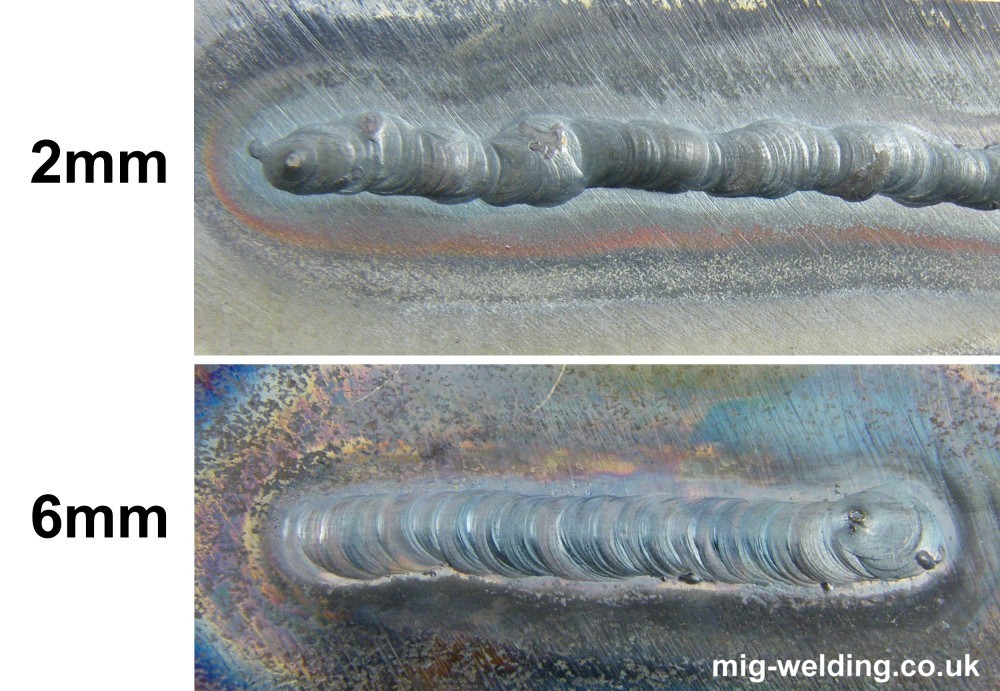
- Move the torch slowly along the joint, keeping the arc stable.
- Add filler rod by dipping it into the leading edge of the weld pool. Don’t touch the tungsten with the rod.
- Control the heat with the pedal. Too much heat can burn through thin metal; too little will cause weak welds.
A non-obvious tip: Use both hands—one for the torch, one for the filler rod. Many beginners try to weld with one hand, but this reduces control and accuracy.
Credit: www.mig-welding.co.uk
Common Mistakes And How To Avoid Them
Mistakes are part of learning, but knowing the pitfalls helps you improve faster:
- Contaminated welds: Always clean the metal and tungsten. Contamination causes porosity and weak joints.
- Touching the tungsten: If the filler rod or workpiece touches the tungsten, stop and re-sharpen it. A contaminated tip creates unstable arcs.
- Incorrect gas flow: Use 15-20 cubic feet per hour (CFH) for argon. Too much gas wastes money; too little allows air into the weld.
- Overheating: TIG welding is slow. If the metal gets red hot, pause and let it cool.
Another insight: Beginners often ignore torch angle. Keeping a consistent angle helps the shielding gas cover the weld fully, preventing oxidation.
Practice Projects For Beginners
Start with simple projects to build confidence:
- Butt joints on mild steel sheets (1/16″ thick)
- Lap joints for aluminum strips
- T-joints for stainless steel pieces
Keep your weld length short at first—about 2 inches. Focus on making clean, even beads before trying more complex shapes.
Credit: weldguru.com
Safety Tips For Tig Welding
Safety is critical. TIG welding produces intense UV light and hot metal. Always:
- Wear auto-darkening helmet (minimum shade 10)
- Use welding gloves and a flame-resistant jacket
- Work in a well-ventilated area
- Keep a fire extinguisher nearby
Studies show welders face increased risk of skin burns and eye injuries, so never skip safety gear.
Frequently Asked Questions
What Metals Can I Weld With Tig?
You can weld steel, stainless steel, aluminum, magnesium, copper, and more. TIG is versatile but works best on clean, thin metals.
Is Tig Welding Hard To Learn?
It’s challenging at first because you control both the torch and filler rod. With practice, most people can make basic welds within a week.
How Much Does Tig Welding Equipment Cost?
Basic TIG machines start at $900. Higher-end models cost up to $2,000. You’ll also need a gas cylinder, helmet, and safety gear.
Can I Use Tig Welding For Automotive Repairs?
Yes. TIG is often used for exhaust systems, body panels, and custom parts. It’s perfect for thin metals and detailed work.
Where Can I Learn More About Tig Welding?
Many community colleges and trade schools offer welding courses. Online resources, like Wikipedia, can help you understand the basics.
TIG welding rewards patience and attention to detail. With the right setup and practice, even beginners can produce strong, neat welds. Remember to start simple, keep your workspace clean, and always use safety gear. Over time, you’ll gain skill and confidence, making TIG welding a valuable tool for any metalworking project.

Credit: www.youtube.com