
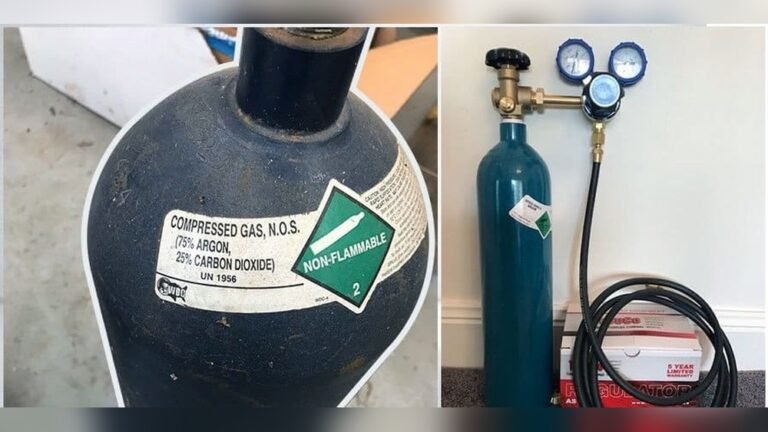
Welding with MIG, or Metal Inert Gas welding, is popular because it’s fast and easy to learn. But many beginners wonder: what gas should you use for MIG welding? The right gas affects your weld quality, safety, and costs. If you pick the wrong gas, you may get poor results or spend more money than needed. Let’s explore the gases used in MIG welding, compare their strengths, and help you choose the best option for your project.
Why Shielding Gas Matters In Mig Welding
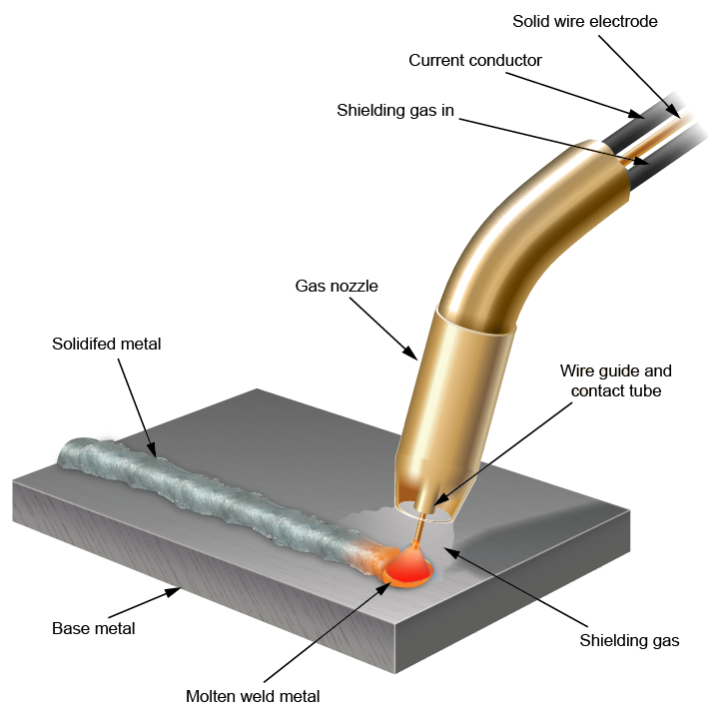
When you weld with MIG, the wire and metal heat up and melt. The air has oxygen and nitrogen. These gases can cause weak welds, rust, and holes if they touch the weld. Shielding gas protects the hot metal from air. It creates a safe bubble so your weld stays clean and strong.
The right gas mix can:
- Reduce spatter
- Improve weld penetration
- Make the weld look smoother
- Lower costs
Common Gases For Mig Welding
Different gases work best for different metals and jobs. Here are the most common types:
Pure Argon
Argon is a noble gas. It’s stable and doesn’t react with the metal. Argon is often used for welding aluminum or stainless steel.
- Clean welds
- Low spatter
- Good for thin materials
But for carbon steel, pure argon is not ideal. It may cause poor fusion and weak welds.
Carbon Dioxide (co2)
CO2 is cheap and easy to find. Many shops use it for welding mild steel.
- Deep weld penetration
- More spatter
- Not as clean as argon
CO2 works well for thicker metals but can produce rougher welds.
Argon-co2 Mix
A mix of argon and CO2 (usually 75% argon, 25% CO2) is the most popular for MIG welding steel.
- Smooth welds
- Less spatter than pure CO2
- Good penetration
This mix is used by beginners and professionals because it balances cost and quality.
Other Gas Mixes
Some projects need special mixes:
- Argon-Oxygen: Small amounts of oxygen (1–5%) help the weld flow better, often for stainless steel.
- Argon-Helium: Helium increases heat. Useful for thick aluminum or copper.
These mixes are more expensive and used in special cases.
Gas Selection For Different Metals
Choosing the right gas depends on what you’re welding. Here’s a quick comparison:
| Metal Type | Best Gas | Weld Quality |
|---|---|---|
| Carbon Steel | Argon-CO2 Mix | Smooth, strong |
| Stainless Steel | Argon-CO2 or Argon-Oxygen | Clean, corrosion-resistant |
| Aluminum | Pure Argon | Clean, low spatter |
| Copper | Argon-Helium | Deep penetration |
For most hobbyists and small shops, argon-CO2 mix covers most needs. Pure argon is best for aluminum.
Gas Comparison: Cost And Performance
Price and performance matter. Here’s a simple breakdown:
| Gas Type | Approximate Cost | Performance |
|---|---|---|
| Pure Argon | High | Clean weld, low spatter |
| CO2 | Low | Deep penetration, more spatter |
| Argon-CO2 Mix | Medium | Balanced quality |
| Argon-Helium | Very High | Hot welds, deep penetration |
CO2 is cheapest but messier. Argon-CO2 mix is a good compromise for most jobs.
Credit: www.cwbgroup.org
Practical Tips For Choosing Mig Welding Gas
- Check your metal type. The metal you weld decides the gas. Don’t use pure argon for mild steel.
- Consider thickness. Thicker metals need more heat (CO2 or argon-CO2 mix).
- Think about cost. If you weld often, gas price matters. CO2 saves money but is less clean.
- Ask suppliers. They can suggest the best mix for your work.
- Try small cylinders first. Test different gases on scrap metal before buying a big tank.
Many beginners miss that gas flow rate also affects welds. Too much gas wastes money and can cause turbulence. Usually, 20–25 cubic feet per hour (CFH) is enough. Adjust to your environment and welding speed.
Common Mistakes In Mig Welding Gas Choice
- Using the wrong gas for steel. Pure argon is fine for aluminum, but it causes weak steel welds.
- Ignoring cylinder size. Small tanks run out fast. Plan your project and buy the right size.
- Not checking gas purity. Dirty gas causes poor welds. Use certified suppliers.
A non-obvious tip: Storing cylinders upright prevents leaks and keeps regulators safe. Also, always check for leaks before starting.

Credit: unimig.com.au
Safety And Storage
Welding gases are safe if handled right. Store tanks upright in a cool, dry place. Keep away from heat and sparks. Use proper regulators and hoses. Never use oil on regulators—oil can react with oxygen and cause fire.
If you need more details on gas safety and storage, visit OSHA Welding Safety.
Frequently Asked Questions
What Is The Best Gas For Mig Welding Mild Steel?
The argon-CO2 mix (often 75/25) is best for mild steel. It gives smooth, strong welds with less spatter.
Can I Use Pure Co2 For Mig Welding?
Yes, you can use pure CO2 for MIG welding steel. It’s cheap and gives deep penetration, but you may get more spatter and rougher welds.
What Gas Do I Need For Welding Aluminum?
For aluminum, use pure argon. It produces clean, low-spatter welds and protects the metal from contamination.
Do I Need Special Gas For Stainless Steel?
Welding stainless steel works best with argon-CO2 or argon-oxygen mixes. These help produce corrosion-resistant, clean welds.
How Much Shielding Gas Should I Use?
Most welders use 20–25 CFH (cubic feet per hour) for MIG. Too much gas wastes money; too little can cause porosity. Adjust based on your environment.
Choosing the right MIG welding gas makes your work easier, safer, and more cost-effective. Now you know which gases work best for different metals, what mistakes to avoid, and how to keep your welds clean and strong. With careful selection and good habits, you’ll get professional results every time.
Credit: www.millerwelds.com