
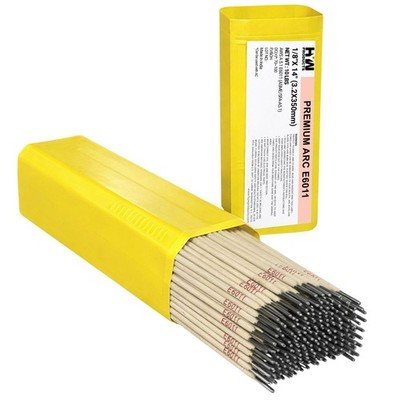
Stick electrodes are about 60–75% efficient by weight, higher with iron-powder rods in ideal settings.
If you have asked yourself approximately how efficient are stick electrodes, you are in the right place. I have welded in shops, on farms, and on job sites. I will explain the real numbers, what drives them, and how to boost results. I will also show tests you can run, with simple tools, so you can answer approximately how efficient are stick electrodes for your own work.

What “efficiency” really means with stick electrodes
When people ask approximately how efficient are stick electrodes, they often mix up two ideas. One is deposition efficiency. That is the percent of the electrode weight that ends up in the weld. The other is arc efficiency. That is the percent of electrical energy that turns into heat in the joint.
There is also the operator factor. That is your arc-on time vs total time. All three shape real job output. So if you want a fair answer to approximately how efficient are stick electrodes, you need to look at each part.
In short terms:
- Deposition efficiency is about 55–75% for most rods. Iron-powder rods can go higher.
- Arc efficiency is often 75–85% for SMAW under steady hands.
- Operator factor ranges from 20–40% in the field, higher in a booth with prep.

Source: arccaptain.com

Typical efficiency numbers you can expect
Here is what I have seen across many projects, plus what industry tests support. These are useful ballpark values when you wonder approximately how efficient are stick electrodes.
- E6010 and E7010 (cellulosic): 50–65% deposition efficiency. Fast, deep, but more spatter and stub loss.
- E7018 (low hydrogen): 60–70% deposition efficiency. Cleaner slag and less spatter.
- E7024 and iron-powder types: 70–90% deposition efficiency. Very high fill rates in flat or horizontal.
- SMAW arc efficiency: about 0.75–0.85 in stable, tuned setups.
One quick way to picture it: buy 10 pounds of E7018. You will likely place 6 to 7 pounds in the joint. The rest is flux, slag, stubs, and spatter. That is the heart of approximately how efficient are stick electrodes.

What affects efficiency in real jobs
Small habits swing the needle. This is where approximately how efficient are stick electrodes becomes a practical question, not just a spec.
- Amperage and arc length. Too long an arc wastes metal as spatter and heat. Run the shortest stable arc.
- Electrode type and size. Iron-powder coatings boost deposition. Larger diameters raise fill but can raise spatter if hot.
- Polarity and current type. Follow the rod callout. DCEP is common and stable. DCEN on the wrong rod can reduce fusion or raise waste.
- Position and technique. Flat and horizontal are most efficient. Vertical and overhead add spatter and slower travel.
- Storage and moisture. Wet rods cause porosity and rework. Keep low-hydrogen rods in an oven per the data sheet.
- Lead length and clamps. Hot, long leads and weak grounds drop arc stability and can waste energy.
- Prep and fit-up. Poor fit means weave passes, more starts and stops, and more stubs.
Personal note: On a tank build, our crew jumped from 63% to 71% deposition efficiency just by shortening stubs, drying E7018 at 250–300°F, and trimming arc length. The welds also looked better.

How to measure your own efficiency
If you want to prove approximately how efficient are stick electrodes in your shop, run this simple test. It takes an hour and a decent scale.
- Weigh clean plates and note the starting weight.
- Weigh a known batch of electrodes.
- Weld a set bead or fillet with normal technique. Keep notes on amps, polarity, and travel.
- Chip and brush the slag. Do not grind the weld.
- Weigh the plates again. The gain is deposited weld metal.
- Deposition efficiency = weld weight gain ÷ electrode weight used × 100.
For energy, log volts and amps while welding and record arc-on time. Arc efficiency is trickier and needs calorimetry for full accuracy. But you can still compare settings and see a trend. This gives a grounded answer to approximately how efficient are stick electrodes for your exact setup.

Ways to boost stick electrode efficiency right now
You can raise effective efficiency without new machines. Focus on the big levers.
- Tune heat and arc length. Set amps in the sweet spot and hold a tight arc. This cuts spatter and rework.
- Match the rod to the joint. Use iron-powder rods for flat fill and fillet welds when code allows.
- Control starts and stops. Tie-in cleanly and avoid restarts that leave craters to fix.
- Manage rod storage. Keep low-hydrogen in ovens. Use opened cans first.
- Improve work return. Clean clamp spots. Use short, sound leads sized for current.
- Choose the right size. Use the largest rod you can control in position. That raises deposition rate.
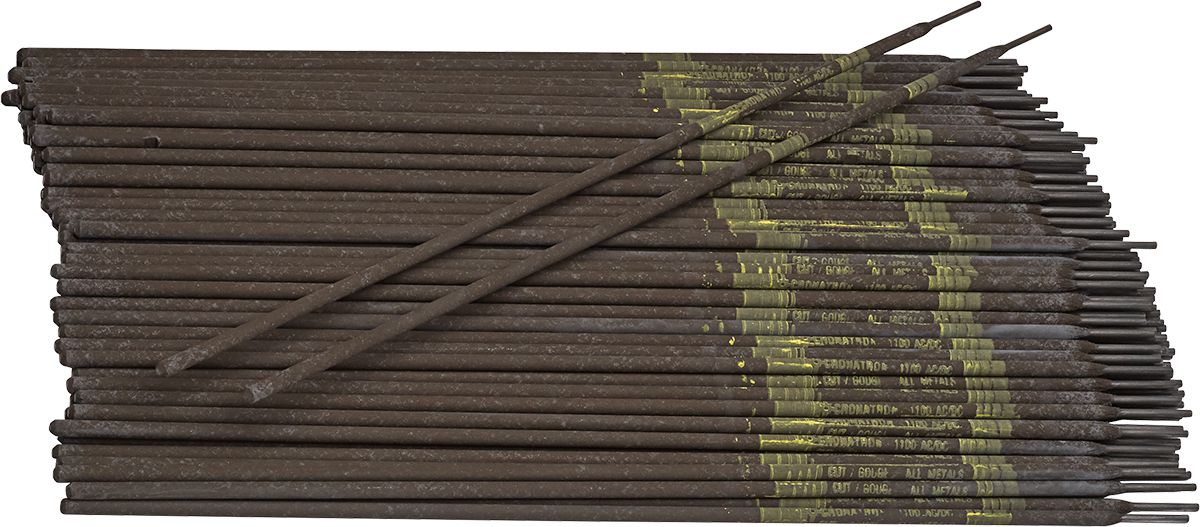
- Reduce stub loss. Train for consistent burn-off length. Use holders with better grip and heat transfer.
I once trained a small fab team that burned 2 inches of stub per rod. With a simple cutoff gauge on the bench, they held stubs to 1 inch. Their monthly rod spend dropped by double digits. That is the easiest win in approximately how efficient are stick electrodes.
Cost and productivity math, made simple
Numbers help choices stick. Here is a quick example you can adapt.
- You buy 100 pounds of E7018 at $3.50 per pound. That is $350.
- At 65% deposition efficiency, you place 65 pounds of weld metal.
- Your raw filler cost per pound of weld metal is $350 ÷ 65 = $5.38.
If you lift deposition efficiency to 72% with better handling and technique, your cost per pound of weld drops to $350 ÷ 72 = $4.86. On a 500-pound weld job, that is a real saving. This is why approximately how efficient are stick electrodes is more than trivia. It is profit, schedule, and quality.

Quick answers to related questions
These short notes address common searches, much like PAA results. They help clarify approximately how efficient are stick electrodes in context.
Is stick less efficient than MIG?
Often, yes. GMAW and FCAW can reach higher deposition and operator factor. But stick wins on setup speed and access, which can offset the gap on short, remote work.
What is a good deposition efficiency target?
For general E7018 work, 60–70% is realistic. With iron-powder rods in flat fillets, you can see 75–85% under steady hands.
Does polarity change efficiency?
Yes. The wrong polarity can raise spatter and reduce fusion. Follow the rod data sheet to keep deposition stable and clean.
Frequently Asked Questions of approximately how efficient are stick electrodes
How do I define efficiency for stick electrodes?
There are two key types. Deposition efficiency is weld metal out versus electrode in, and arc efficiency is heat into the joint versus electrical energy.
What role does slag play in efficiency?
Slag protects the pool but does not become part of the weld. It lowers deposition efficiency by design, which is why iron-powder rods show higher numbers.
Can I reach 90% efficiency with stick?
It is rare, but high iron-powder electrodes in flat or horizontal can approach that. Technique, amperage, and travel speed must be dialed in.
Where does stub loss fit in the math?
Stub loss is dead rod you throw away. Keeping stubs short and consistent can lift deposition efficiency several points across a big job.
Is approximately how efficient are stick electrodes the same across brands?
No. Coating type, powder content, and manufacturing control matter. Check the data sheet and run a small shop test to confirm.
How does weather affect efficiency in the field?
Wind and cold increase spatter and cooling, which reduce arc stability and fusion. Use wind screens and preheat per code to protect quality.
Does AC vs DC change efficiency?
Usually DC gives a steadier arc and less spatter, which can help efficiency. Some rods run on AC, but results vary by electrode type.
Why do my results differ from published numbers?
Lab tests use ideal plates, positions, and dry rods. Real jobs include starts, stops, position work, and fit-up, which all cut efficiency.
How many times should I mention approximately how efficient are stick electrodes in my weld plan?
Use it as a checkpoint at key stages. Note your target range, test once at the start, and verify again after major changes in setup.
What is the fastest way to improve my efficiency this week?
Dry your rods, shorten your arc, and track stub length. Those three moves often give the biggest and quickest gains.
Conclusion
Stick electrodes can be very productive when you understand where your metal and energy go. Target the right rod, hold a tight arc, and treat storage and stubs with care. You will raise deposition, cut waste, and keep quality high.
Take one tip from this guide and use it on your next weld. Then measure the result. If this helped you see approximately how efficient are stick electrodes in a new light, share it with a friend, subscribe for more guides, or leave a question for a follow-up.