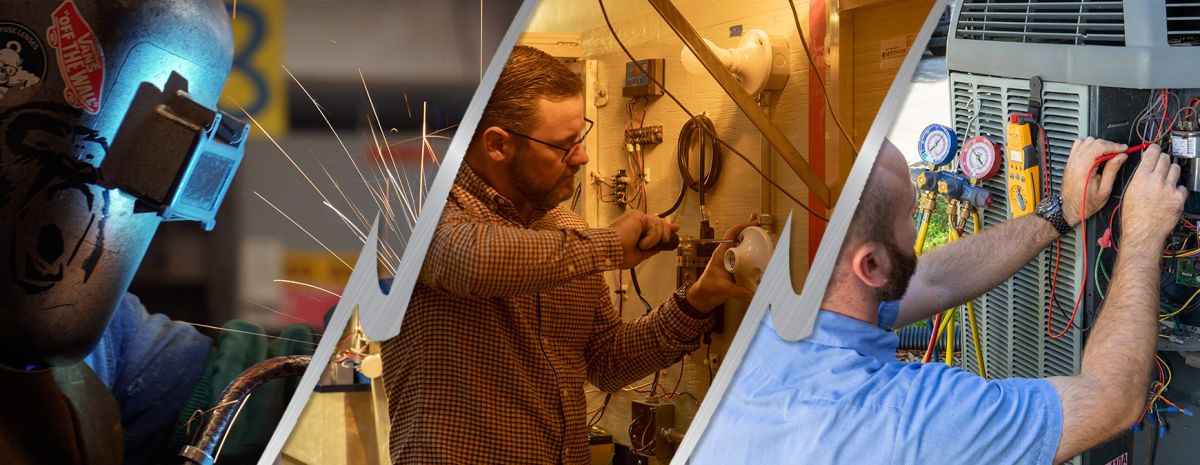
Choosing a career can be hard. Two popular trades are welding and electrical work.
Both jobs are important and need skill. But they are very different. This article helps you understand both.
Then, you can decide which one fits you better.
What Does a Welder Do?
A welder joins metal parts. They use heat to melt and stick metals together.
Welding is needed in many places like factories, shipyards, and buildings.
Welders work with machines that use sparks and flames. Safety is very important.
Types Of Welding
- MIG Welding: Uses a wire to join metals quickly.
- TIG Welding: Uses a small rod for fine, clean welds.
- Stick Welding: Uses an electrode stick to join metals.
Where Do Welders Work?
Welders work in many places. They can be in factories, building sites, or underwater.
Some welders repair cars or build bridges. The job can be indoors or outdoors.
What Does an Electrician Do?
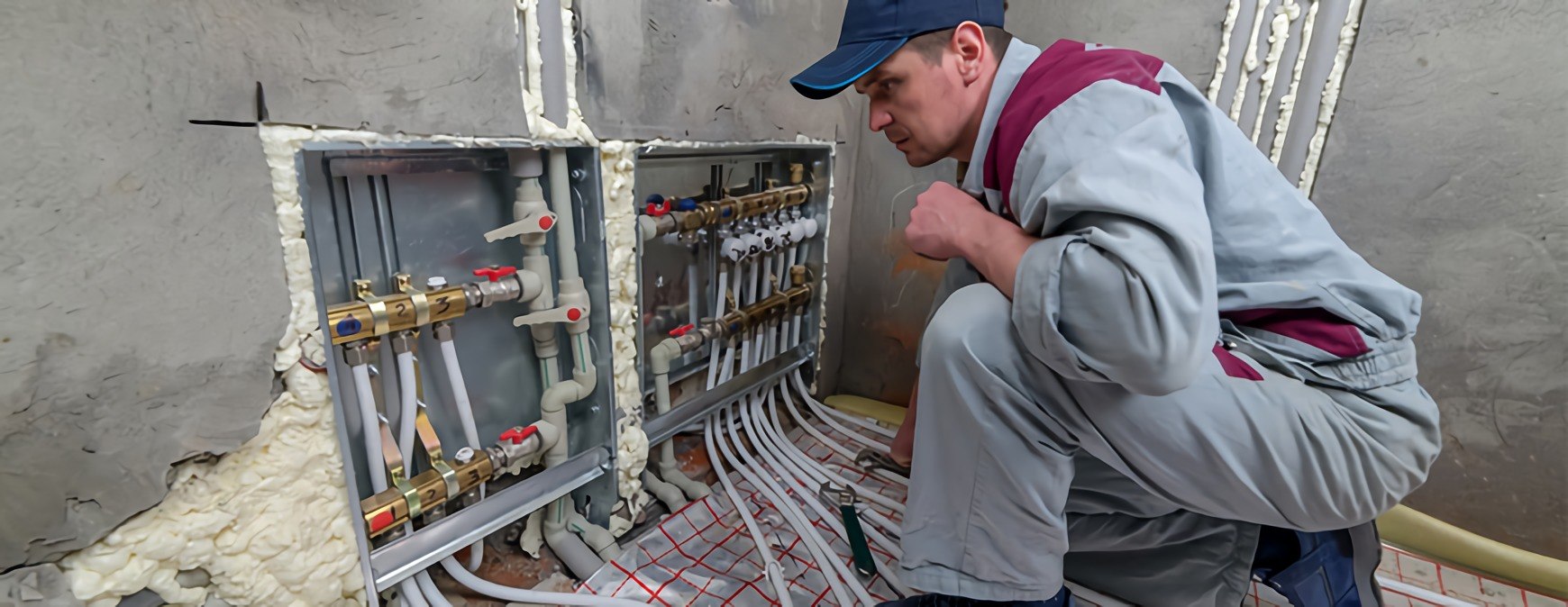
An electrician works with electricity. They install and fix electrical wires and systems.
They make sure homes and businesses get power safely. Electricians read blueprints and use tools.
Safety is very important here too.
Types Of Electricians
- Residential Electricians: Work in homes, installing wires and lighting.
- Commercial Electricians: Work in offices, shops, and factories.
- Industrial Electricians: Work in big plants and factories with machines.
Where Do Electricians Work?
Electricians can work in many places. They work inside buildings or outside on poles.
Some work in new construction. Others fix old wiring or upgrade electrical systems.
Skills Needed for Welders and Electricians
Both jobs need special skills. Here is a simple table to compare them:
| Skill | Welder | Electrician |
|---|---|---|
| Hand-Eye Coordination | Very important for precise welding | Important for wiring and tool use |
| Physical Strength | Often needed to move heavy metal parts | Needed but less heavy lifting |
| Math Skills | Basic math for measurements | Good math for reading plans and calculations |
| Safety Awareness | Must handle sparks and fumes safely | Must avoid electric shocks and fires |
| Problem Solving | Fixing weld defects and metal issues | Troubleshooting electrical problems |
Work Environment and Safety
Safety is key in both jobs. But risks differ. Welders face heat, sparks, and fumes.
Electricians face shocks and electrical fires.
Risks For Welders
- Burns: From hot metal and sparks.
- Fumes: Breathing toxic gases.
- Eye Damage: From bright welding light.
- Falls: Working at heights is risky.
- Explosions: Sparks can catch fire.
Risks For Electricians
- Electric Shocks: Can be serious or fatal.
- Fires: Faulty wiring can cause fires.
- Falls: Working on ladders or poles.
- Muscle Strain: Handling tools and wires.
How To Stay Safe
Both welders and electricians use protective gear. This includes:
- Gloves
- Safety glasses or helmets
- Protective clothing
- Proper ventilation
- Following safety rules
Education and Training
Both trades need training. You learn skills in school or on the job.
Here is how it works for each:
Welder Training
- Trade school programs last 6 months to 2 years.
- Learn types of welding and safety.
- Practice with real equipment.
- Get certified for certain welding types.
- Often start as helpers or apprentices.
Electrician Training
- Apprenticeships last 3 to 5 years.
- Learn electrical codes and safety.
- Study math, wiring, and blueprints.
- Practice under a licensed electrician.
- Must pass licensing exams.
Salary and Job Outlook
Both jobs pay well. Earnings depend on location, experience, and skill.
Here is a simple comparison for the United States:
| Trade | Average Yearly Salary | Job Growth (Next 10 Years) |
|---|---|---|
| Welder | About $45,000 to $60,000 | About 3% growth (steady) |
| Electrician | About $50,000 to $70,000 | About 8% growth (faster than average) |
Electricians usually earn a bit more and have more job openings.
Welders can earn more if they have special skills or work in tough places.
Credit: www.tws.edu