
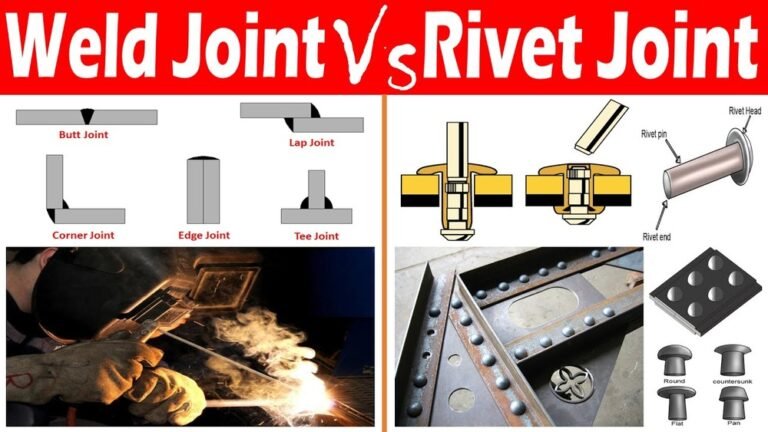
When it comes to joining metal parts, two methods are very common. These are riveting and welding. Both help to hold pieces together, but they work very differently.
If you want to understand which method suits your needs, this guide will help you. We will explain how riveting and welding work. We will also look at their benefits and disadvantages.
What is Riveting?
Riveting is a way to join two or more metal parts using a small metal pin. This pin is called a rivet. The rivet goes through holes in the parts. Then one end of the rivet is pressed or hammered to hold the parts tightly.
Riveting does not use heat. It is a cold process. This means the metal parts do not melt or change shape from heat.
Riveting has been used for many years. You can see it in old bridges, ships, and airplanes. It is still used today in many industries.
What is Welding?
Welding is a process that joins metals by melting them. Heat is used to melt the edges of the parts. Sometimes a filler metal is added to make the joint stronger.
When the melted metal cools, it forms a strong, seamless bond. This bond is often as strong as the metal itself.
Welding needs special machines and skills. It is very common in car making, building construction, and many metal works.
Key Differences: Riveting vs. Welding
| Feature | Riveting | Welding |
|---|---|---|
| Joining Mechanism | Mechanical fastening with a metal pin | Melting and fusing metals together |
| Heat | No heat needed (cold process) | High heat needed to melt metal |
| Strength | Good for vibration and shear forces; usually less strong in pulling | Very strong; often as strong as base metal |
| Aesthetics | Visible rivet heads | Seamless joints; often neater look |
| Disassembly | Can be removed and replaced | Permanent; hard to take apart |
| Equipment Needed | Simple tools like hammer or rivet gun | Welding machine and protective gear |
| Material Types | Works well on thin or heat-sensitive metals | Works best on metals that melt easily |
| Labor | More labor-intensive; each rivet installed manually | Faster for large, continuous joints |
| Cost | Rivets are cheap but labor adds cost | Equipment and skill costs are high |
When to Use Riveting
Riveting is useful when parts may need to be taken apart later. It is also good if you cannot use heat. For example:
- Thin metals that can melt or warp with heat
- Airplanes and ships, where vibration is high
- Areas where welding is hard or unsafe
Rivets give good strength against shaking and bending forces. This is why airplanes are often riveted. Heat can weaken aluminum parts in welding. Rivets avoid this problem.
When to Use Welding
Welding is great when a very strong and permanent joint is needed. It is common in:
- Building steel frames
- Making cars and trucks
- Repairing metal parts
Welded joints often have better strength in pulling forces. They also look neat without any visible fasteners. But welding needs skill and safety precautions.
Advantages of Riveting
- No heat means no changes to metal properties
- Easy to inspect and replace rivets
- Works well with thin or heat-sensitive metals
- Simple tools and low-tech process
Disadvantages of Riveting
- Time-consuming to place many rivets
- Visible heads may not look smooth
- Riveted joints usually weaker than welded
- Increases weight with many rivets
Advantages of Welding
- Creates very strong, permanent joints
- Seamless and neat appearance
- Faster for joining large surfaces
- Does not add extra weight

Credit: www.approvedsheetmetal.com
Disadvantages of Welding
- Heat can change metal strength
- Requires skilled workers and safety gear
- Cannot take welded parts apart easily
- Not good for thin or heat-sensitive metals
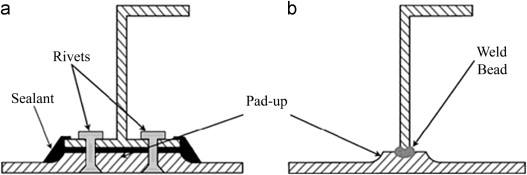
Credit: www.rapiddirect.com
Why Are Airplanes Riveted and Not Welded?
Airplanes need strong joints that handle vibration well. Welding aluminum can weaken it because of heat. Rivets hold parts tightly without heat. They also allow easy inspection and repair.
For these reasons, airplanes mostly use riveting. This shows how the right method depends on the job.
Summary
Both riveting and welding join metal parts. But they do it in very different ways.
Riveting uses metal pins and no heat. It is good for parts that may move or need repair. Welding melts metals to make very strong, permanent joints.
Choosing between riveting and welding depends on:
- The type of metal
- How strong the joint needs to be
- If the joint should be permanent
- The tools and skills available
- How much time and money you can spend
Understanding these points helps you pick the best joining method.
Final Thoughts
If you want a simple, removable joint, riveting is good. If you want strong, permanent joints, welding is better.
Both methods have their place. The right choice depends on your project needs.
Frequently Asked Questions
What Is The Difference Between Welding And Riveting?
Welding fuses metals using heat, creating strong, permanent joints. Riveting mechanically fastens materials with removable metal pins, requiring no heat. Welding offers higher strength and seamless appearance. Riveting suits vibration resistance and disassembly but is generally weaker and more labor-intensive.
What Are The Disadvantages Of Riveting?
Disadvantages of riveting include higher overall cost due to labor and materials. It increases weight and requires pre-drilled holes. Riveted joints are generally weaker than welded ones and demand more maintenance over time.
Why Are Airplanes Riveted And Not Welded?
Airplanes use rivets, not welding, because riveting avoids heat damage to aluminum and provides durable, strong joints. Welding weakens aluminum by heat. Rivets handle vibrations better and allow easy inspection and repair. Riveting ensures safer, longer-lasting aircraft structures without material distortion.
When Did Welding Replace Riveting?
Welding began replacing riveting in the early 20th century, especially after the 1920s. Welding offers stronger, seamless joints. Riveting remained common in aircraft due to metal weaknesses with heat. Over time, welding became preferred in automotive and construction for durability and efficiency.