
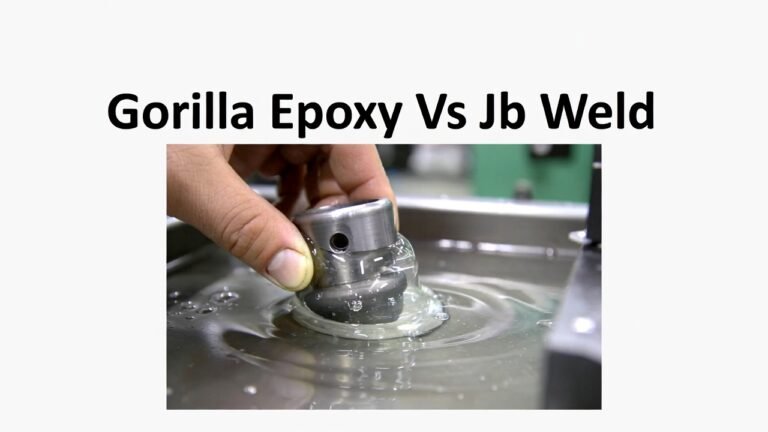
Gorilla Epoxy Vs Jb Weld: Ultimate Strength & Durability Showdown

Gorilla Epoxy Vs Jb Weld

If you need to fix something broken, epoxy glue is a good choice. Two popular brands are Gorilla Epoxy and JB Weld. Both are strong and used for many repairs. But which one is better? This article will help you understand the differences.

What Is Epoxy?

Epoxy is a type of glue that comes in two parts. When mixed, they harden fast and make a strong bond. Epoxy sticks to many materials like wood, metal, and plastic. It is often used for home repairs, crafts, and industrial work.

Introducing Gorilla Epoxy

Gorilla Epoxy is a two-part glue. It is clear and sets in about five minutes. It works well on many surfaces. People use it for quick fixes at home or for crafts.

  • Sets in 5 minutes
  • Clear finish
  • Works on wood, metal, ceramics, and some plastics
  • Strong but flexible bond

Gorilla Epoxy is easy to use. You mix equal parts and apply it. It is water-resistant and can hold up in wet places.

Introducing JB Weld

JB Weld is also a two-part epoxy. But it is different from Gorilla Epoxy. It looks like steel when it dries. It takes longer to set, about 4 to 6 hours, but it becomes very hard.

  • Sets in 4-6 hours
  • Steel-like finish
  • Works best on metal and other hard surfaces
  • Very strong and durable bond

JB Weld is popular for fixing metal parts. It can handle heat and heavy stress. Many people use it for car repairs or plumbing.

Strength and Durability

Strength is very important when choosing epoxy. Here is a quick look:

FeatureGorilla EpoxyJB Weld
Setting TimeAbout 5 minutes4 to 6 hours
Full Cure Time24 hours15 to 24 hours
Bond StrengthStrong and flexibleVery strong and hard
Heat ResistanceUp to 200°F (93°C)Up to 550°F (288°C)
Best UseQuick fixes, crafts, small repairsHeavy-duty repairs, metal, automotive

JB Weld is stronger for metal and heavy work. Gorilla Epoxy sets faster and works well for everyday fixes.

Which Materials Do They Stick To?

Epoxy glue sticks best to some materials. Both brands work on many surfaces. But some materials are hard to bond.

Gorilla Epoxy

  • Good on wood, metal, ceramics, and hard plastics
  • Does not stick well to soft plastics like polyethylene or polypropylene
  • Not good on oily, waxy, or very smooth surfaces

Jb Weld

  • Excellent on metal and hard surfaces
  • Works on wood, concrete, ceramics, and some plastics
  • Struggles with very soft plastics or oily surfaces

Both epoxies do not stick well to materials with low surface energy. These include some plastics like PE, PP, or Teflon. Silicone and oily surfaces also cause problems.

How Easy Are They to Use?

Ease of use matters for quick repairs. Gorilla Epoxy is simple. It mixes quickly and sets fast. You have to work fast because of the short time.

JB Weld takes longer to mix and apply. It gives more time to position parts. This is good for big or precise jobs.

Both come in two tubes. You squeeze equal parts, mix them, and apply. Tools like sticks or spatulas help spread the epoxy.
 

Appearance After Drying

How the epoxy looks after drying is important for some projects.

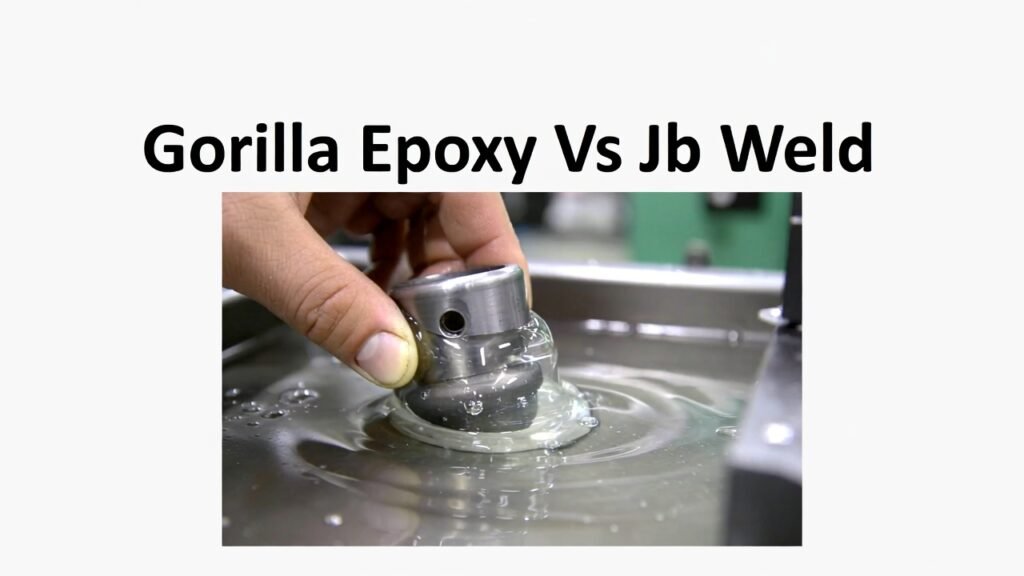
  • Gorilla Epoxy dries clear. It looks neat and clean. Good for crafts or visible repairs.
  • JB Weld dries dark gray or steel color. It looks like metal. Good for metal parts or hidden repairs.

Water and Heat Resistance

Both epoxies resist water well. This makes them good for bathroom or outdoor fixes. But heat resistance is different.

JB Weld can handle higher heat up to 550°F. Gorilla Epoxy works up to 200°F. So, for hot parts, JB Weld is better.

Price Comparison

Price is important for many buyers. Both brands cost about the same. Prices vary by size and store. Here is a simple comparison:

ProductTypical Price (4 oz)Where to Buy
Gorilla Epoxy$6 to $10Hardware stores, online
JB Weld$7 to $12Hardware stores, auto stores, online

Both offer good value for the price. Choose based on your project needs.

Summary: When to Use Gorilla Epoxy?

  • You want a quick set time
  • Clear finish is important
  • Fixing wood, ceramics, or light metal
  • Simple home repairs and crafts

Summary: When to Use JB Weld?

  • You need a very strong, hard bond
  • Fixing metal parts or machinery
  • Working with heat or heavy stress
  • Longer working time is okay

Final Thoughts

Both Gorilla Epoxy and JB Weld are strong epoxies. They have different strengths and uses. Gorilla Epoxy is fast and clear. JB Weld is stronger and heat resistant.

Your choice depends on the job. For quick fixes or crafts, Gorilla Epoxy is good. For heavy-duty repairs, especially on metal, JB Weld is better.

Remember to clean surfaces well. Remove oil, dirt, or wax before applying. This helps epoxy stick better.

Mix parts well for a strong bond. Follow instructions on the package. Patience helps for the best results.

Now you know the main differences. Choose the right epoxy for your project and repair with confidence.

Frequently Asked Questions

What Does Gorilla Epoxy Not Stick To?

Gorilla Epoxy does not stick well to low surface energy plastics like polyethylene, polypropylene, silicone, and Teflon. It also fails on oily, waxy, smooth, non-porous surfaces such as polished metals, glass, and some rubber types. These materials prevent strong bonding due to their surface properties.

Which Is Better, Jb Weld Or Epoxy?

JB Weld offers a stronger, steel-reinforced bond ideal for metals. Epoxy provides better control and sanding but is less durable. Choose JB Weld for strength and epoxy for ease of use and clarity.

What Epoxy Is Stronger Than Jb Weld?

Epoxies like QuickSteel and Por-15 offer stronger bonds than JB Weld. They provide higher strength and durability.

Is Gorilla Glue As Strong As Epoxy?

Gorilla Glue offers strong adhesion but epoxy, especially brands like JB Weld, generally provides a stronger, more durable bond. Epoxy bonds better to metals and hard plastics, while Gorilla Glue suits wood and porous surfaces. For maximum strength, epoxy outperforms Gorilla Glue in most applications.