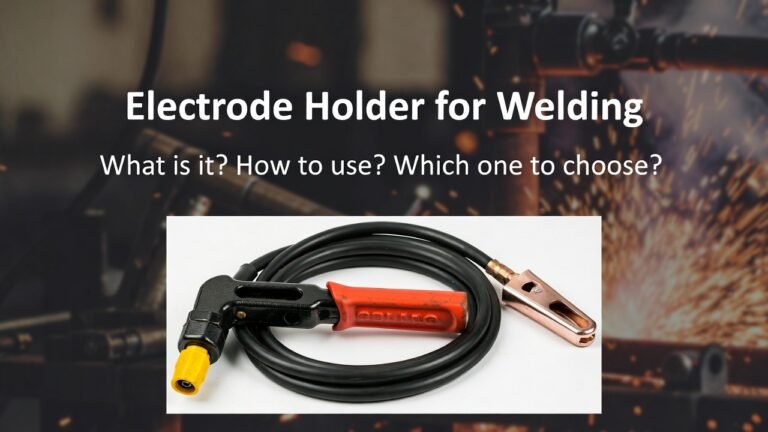
When you think about welding, one tool stands out. It is the electrode holder. This small but important tool helps welders hold the electrode safely. Today, we will learn all about the electrode holder for welding.
What Is an Electrode Holder?
An electrode holder is a tool used in welding. It holds the welding rod or electrode. The electrode is the part that melts and joins metal pieces. The holder keeps the electrode in place and connects it to the welding machine.
Without the electrode holder, welding would be hard and dangerous. The holder protects the welder from electric shock. It also makes sure the electrode stays steady during welding.
Why Is the Electrode Holder Important?
The electrode holder is a very important tool in stick welding. It:
- Holds the electrode firmly
- Protects the welder from electric shock
- Allows easy control of the welding rod
- Helps make clean and strong welds
Because it holds the electrode, the welder can focus on the job. The holder also helps keep a good arc, which is needed for strong welds.
Types of Electrode Holders
There are different types of electrode holders. Each is made for different needs. Here are some common types:
| Type | Description | Use |
|---|
| Standard Holder | Basic design with insulated handle | General stick welding |
| Tong Style Holder | Scissor-like grip for firm hold | Better control for tricky angles |
| Heavy Duty Holder | Strong build for high amperage | Industrial or heavy welding jobs |
| Water-Cooled Holder | Has cooling system to avoid heat | Long welding sessions |
How Does an Electrode Holder Work?
The electrode holder connects to the welding machine by a cable. It passes the electric current to the electrode. When the electrode touches the metal, it creates an arc. This arc melts the metal and the electrode. The melted parts join and form a weld.
The holder has a clamp or grip to hold the electrode tightly. It also has an insulated handle. This handle keeps the welder safe from the electric current.
Choosing the Right Electrode Holder
Picking the right electrode holder is key for good welding. Here are some tips:
- Check the welding current rating. Pick a holder that can handle your machine’s power.
- Look for a comfortable handle. It helps you weld longer without pain.
- Choose a holder that fits your electrode size.
- Think about the welding type. Heavy jobs need stronger holders.
Good holders last long and make welding easier.
How to Use an Electrode Holder Safely
Safety is very important when welding. Follow these rules to use the electrode holder safely:
- Always wear safety gloves and glasses.
- Hold the electrode holder by its insulated handle only.
- Do not touch the electrode with bare hands.
- Keep the holder dry and clean.
- Turn off the welding machine when not in use.
- Check cables and holder for damage regularly.
These steps help stop accidents and keep you safe.
Maintaining Your Electrode Holder
To keep the electrode holder working well, do some simple care:
- Clean the holder after every use.
- Check for cracks or breaks in the handle.
- Tighten loose parts and screws.
- Replace worn-out parts quickly.
- Store in a dry place to stop rust.
Proper care makes your holder last longer and work better.
Where to Buy Electrode Holders
You can find electrode holders in many places. Some popular stores are:
- Home Depot
- Harbor Freight Tools
- Tractor Supply Company
- Airgas
- Local welding supply shops
Prices vary depending on quality and brand. A simple holder can cost around $8. More heavy-duty models may cost $100 or more.
Popular Electrode Holder Brands
Some brands are trusted for their quality. They include:
- Lincoln Electric
- Tweco
- Forney
- Radnor
- Lenco
These brands offer holders for beginners and pros.
Tips for Using an Electrode Holder Well
Using the electrode holder the right way helps your welding. Try these tips:
- Hold the holder steady but relaxed.
- Keep the electrode at the right angle to the metal.
- Replace electrodes often for good welds.
- Keep your hands dry to avoid slipping.
- Practice steady movements for clean welds.
Common Problems and How to Fix Them
Sometimes, welders face problems with electrode holders. Here are some common issues:
| Problem | Cause | Fix |
|---|
| Electrode slips | Loose clamp or worn grip | Tighten or replace holder parts |
| Electric shock | Damaged insulation | Replace holder or repair insulation |
| Overheating holder | High current or long use | Use heavy duty or water-cooled holder |
| Poor weld quality | Bad electrode contact | Clean holder and electrode |
Fixing these quickly keeps welding safe and easy.
Frequently Asked Questions
What Are The Two Types Of Electrode Holders?
The two types of electrode holders are the standard stick welding holder and the tong-style holder. Both secure electrodes for efficient welding.
Can You Make $100,000 A Year Welding?
Yes, welders can earn $100,000 annually, especially with specialized skills or in high-demand industries. Experience and certification boost earnings.
What Is A Welding Electrode Holder?
A welding electrode holder grips the electrode securely during stick welding. It conducts current to the electrode for arc creation. This tool ensures safety, control, and precise welds. Electrode holders come in various designs to suit different welding needs and improve handling.
What’s The Best Way To Store Welding Rods?
Store welding rods in a dry, cool place to prevent moisture absorption. Use airtight containers or rod ovens. Keep rods sealed until use to maintain quality and ensure strong welds.
Conclusion
The electrode holder is a small tool with a big job. It helps welders hold electrodes safely. It also makes welding easier and better. Choosing the right holder and using it safely is important. With good care, your electrode holder will last long.
Whether you weld for fun or work, the electrode holder is a must-have tool. Now, you know how it works and why it matters. Keep these tips in mind for your next welding project.