
Yes, stick welding works on stainless steel with the right rods and care.
You want clean, strong stainless welds without fancy gear. You also want real tips that work in the shop and in the field. This guide explains can stick welding be used for stainless steel with clear steps, proven settings, and real stories. I’ll share what has worked for me on railings, tanks, and patch jobs, so you can decide when can stick welding be used for stainless steel and how to do it right.
How stick welding behaves on stainless steel
Stick welding, also called SMAW, uses a flux-coated rod and an arc. The rod melts into the joint and slag forms on top. That slag shields the hot metal from air.
Stainless steel forms a thin chrome oxide film. That film gives corrosion resistance. Heat and wrong filler can harm that film. So the way you handle heat and rods matters.
Austenitic grades like 304 and 316 are common. They handle heat well but can still crack or warp. Ferritic and martensitic grades need more care with heat and cooling.
Important note you will hear me repeat: can stick welding be used for stainless steel? Yes. But you must pick the right rod, control heat, and clean well.
Pros and cons of stick welding stainless
Stick works on stainless for many jobs. It is tough in wind, cheap to set up, and simple to move. But it is not always the best for thin sheet or showpiece welds.
Pros:
- Works outdoors when MIG or TIG shielding gas would blow away
- Handles rusty or mixed joints with the right rod like 309L
- Low cost gear and easy to carry to a site
Cons:
- Slag to remove and more spatter than TIG
- Harder to control heat on thin stainless
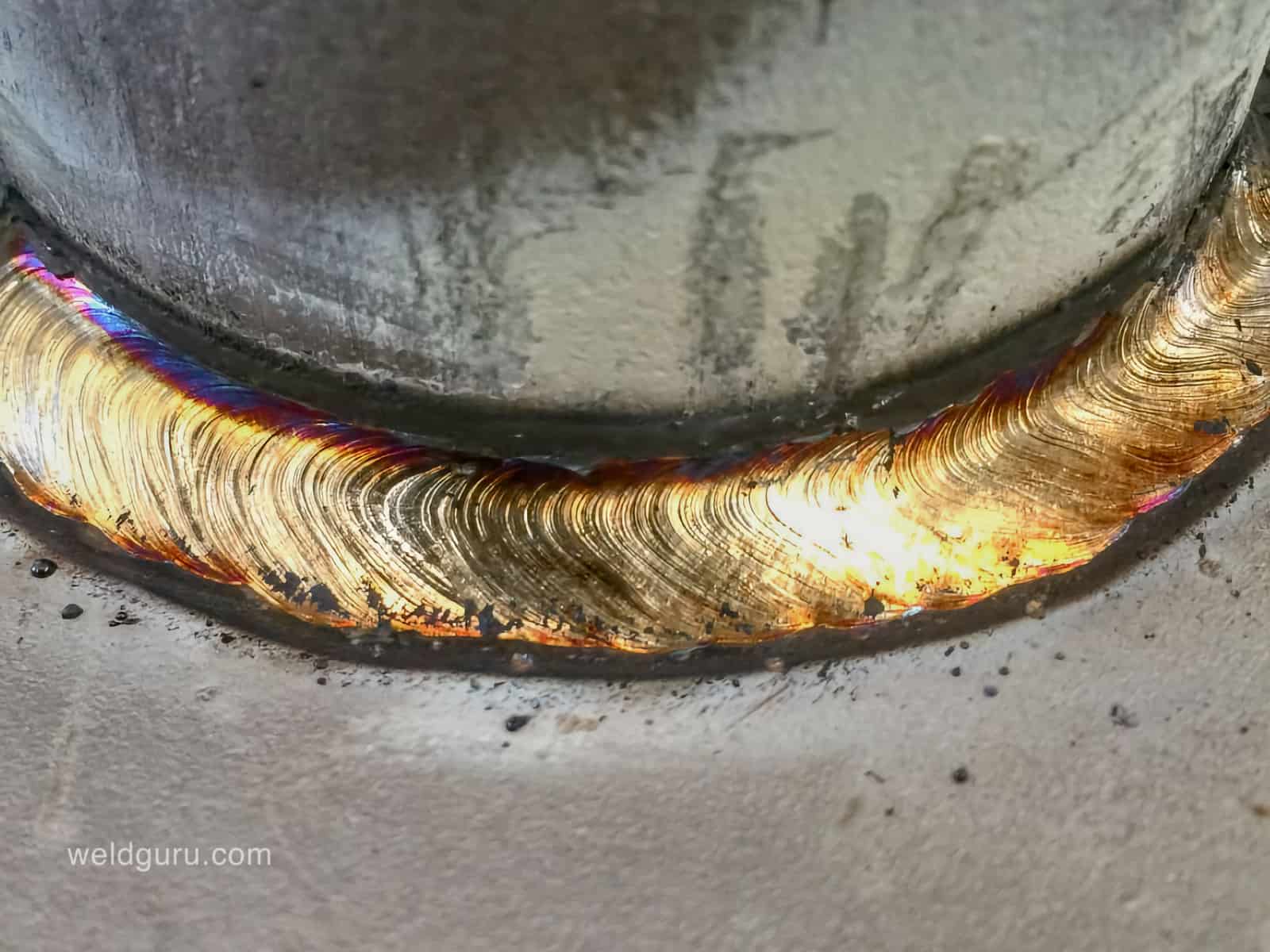
- Bead looks rough if you use wide weave or too hot a setting
From shop work and field calls, I lean on stick for repairs, handrails, and thick parts. If you ask can stick welding be used for stainless steel outside or on dirty joints, it is often the best pick.
Source: weldguru.com
The right stainless stick electrodes
The rod you choose is the heart of the weld. Matching or overmatching the base metal is key.
Common choices:
- E308L-16 or E308L-17: For 304 and 304L stainless. Low carbon helps resist carbide build-up.
- E316L-16 or E316L-17: For 316 and 316L stainless. Good for salt or chemicals.
- E309L-16: Dissimilar filler for stainless to carbon steel or unknown steels. Great for repairs.
- E312-16: High alloy for hard to weld or unknown grades. Good crack resistance.
Tips from the bench:
- Use -16 or -17 rods with DCEP. They start easy and run smooth.
- Keep rods dry in a rod oven. Moisture can cause porosity and cracking.
- Use short arc length. It lowers heat input and cuts spatter.
If you are asking can stick welding be used for stainless steel with mixed metals, use 309L. I have used 309L to weld stainless tube to mild steel posts on site with solid results.
Setup and technique that protect stainless
Good setup makes stainless welding clean and strong. Small changes matter.
Settings:
- Polarity: DCEP for most stainless rods
- Current: Start low, then test on scrap. For a 3/32 in 308L, 70–90 A works well. For 1/8 in, think 90–110 A.
- Keep interpass temp low. Under about 350°F helps prevent sensitization.
Technique:
- Use stringer beads. Avoid wide weave. Short beads keep heat down and protect the chrome layer.
- Hold a tight arc. Aim for a steady, quiet sound, not a roar.
- Speed up on edges to avoid undercut. Pause in the toe if needed.
- Backstep or stitch thin parts. Let the part cool between passes.
Joint prep:
- Clean with a stainless-only brush and acetone. No cross contamination from carbon steel tools.
- Fit-up tight. Gaps force more heat.
- Use a copper or aluminum chill bar on thin work to limit warp.
These steps answer can stick welding be used for stainless steel with a big yes, if you control heat and cleanliness. That is the whole game.
Avoiding common defects on stainless stick welds
Stainless can bite you if you rush. Here are issues I see and how to avoid them.
Warping and distortion:
- Use short beads and skip around the joint
- Clamp well and balance heat on both sides
- Use a chill bar on thin parts
Sensitization and corrosion:
- Pick L-grade rods to cut carbide build-up
- Limit heat input and keep interpass temp low
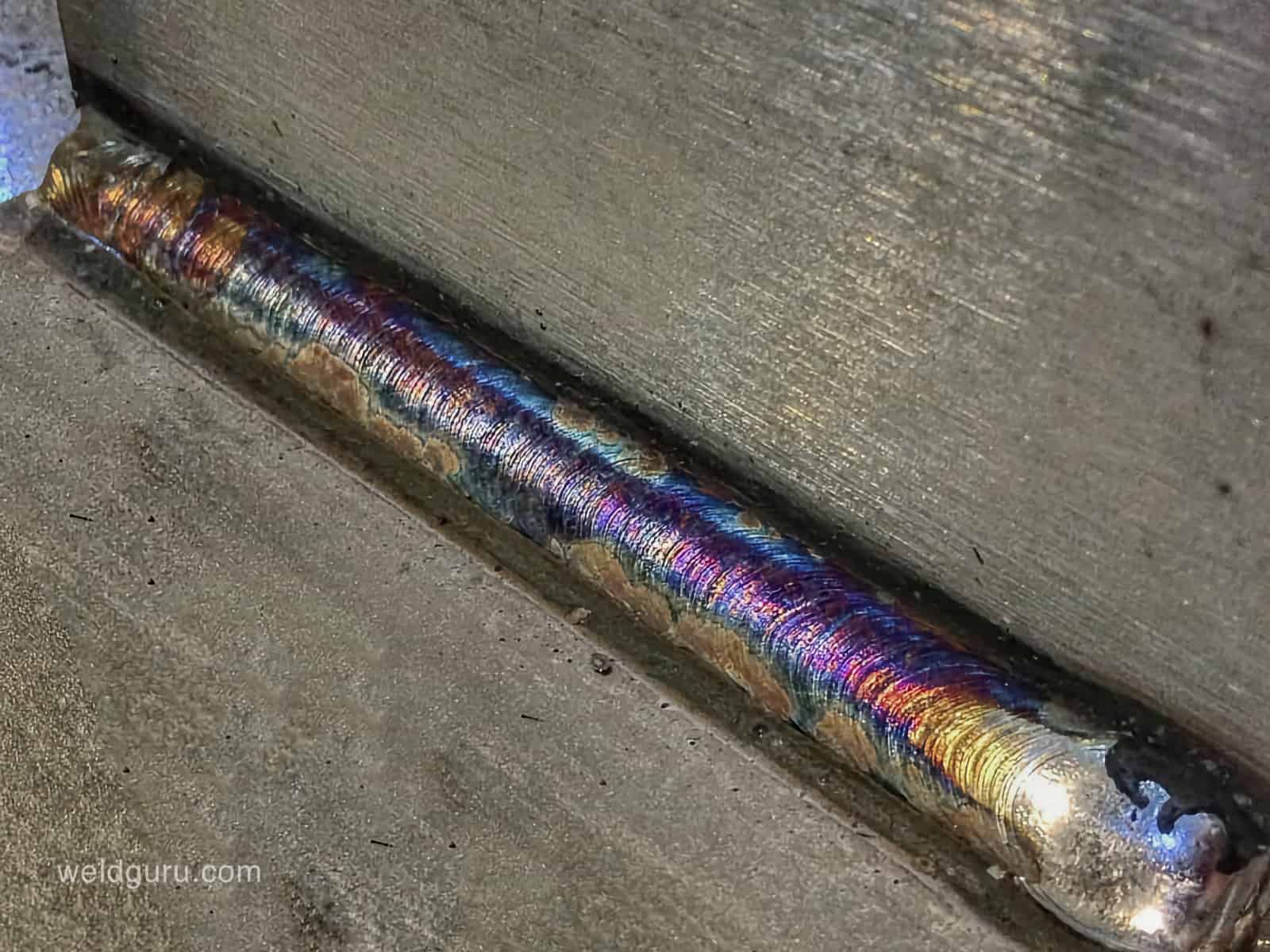
- Clean off heat tint after welding to restore corrosion resistance
Cracking and porosity:
- Keep rods dry and store warm
- Tight arc and steady travel
- Avoid big weave and long arcs that add air
Undercut and slag inclusions:
- Maintain arc angle about 10–15 degrees
- Chip slag between passes
- Fill craters and watch the toes of the bead
When people ask can stick welding be used for stainless steel without rust later, this is the path. Heat control, right filler, and post-weld cleaning make the difference.
When to choose stick vs TIG or MIG on stainless
TIG gives the best look and the most control on thin sheet. MIG is fast and clean on production runs. But stick still shines in many stainless jobs.
Use stick when:
- You weld outdoors or in wind
- The part is thick or the joint is less than perfect
- You weld stainless to mild steel with 309L
Use TIG when:
- You need a smooth, polished look, like on kitchen gear
- The material is thin and warps easy
- You can work indoors with gas shield
Use MIG when:
- You need speed on repeat parts
- You can use stainless wire and gas mixes
- You want less slag cleanup
So, can stick welding be used for stainless steel on site? Yes, and it often beats TIG or MIG in rain, wind, or repairs. For clean shop work, TIG or MIG may be smarter.
Real-world examples and shop tips
Handrails on a dock:
- Material was 304 tube. Wind was strong. I used 308L-16 rods.
- Short beads, tight arc, and backsteps kept the tube straight.
- We removed heat tint and passivated. Two winters later, no rust lines.
Dissimilar repair on a food plant frame:
- Stainless angle to carbon base plate. I chose 309L-16.
- Welded outdoors in a light breeze. No gas bottle to chase.
- Cleaned and passivated the stainless side. The joint held up under washdowns.
Exhaust flange patch:
- Unknown grade stainless. Edge was thin and dirty.
- E312-16 saved the job. Short beads, cool between passes.
- Grind and clean. A quick coat on the carbon side. No cracks a year later.
From jobs like these, I can say can stick welding be used for stainless steel in real life. Yes, if you use the right rod, short beads, and clean well after.
Safety and post-weld cleanup on stainless
Stainless fumes can include hexavalent chromium. Treat it with care. Your health matters more than any bead.
Safety steps:
- Use local exhaust or weld outdoors with wind at your back
- Wear a proper respirator if ventilation is poor
- Gloves, sleeves, and eye protection are a must
Cleanup steps:
- Chip slag and brush with stainless-only tools
- Remove heat tint with pickling paste or a citric acid gel
- Rinse well and dry. Passivation restores the chrome oxide layer
- Keep stainless tools separate to avoid iron contamination
Standards like common welding codes and stainless cleaning guides back these steps. They show why can stick welding be used for stainless steel safely and cleanly when you follow best practice.
Frequently Asked Questions of can stick welding be used for stainless steel
Can stick welding be used for stainless steel on thin sheet metal?
Yes, but it is tricky. Use the smallest rod, low amps, and short beads to limit heat.
What rod should I use for 304 stainless with stick?
Use E308L-16 or E308L-17. The L grade cuts sensitization and helps corrosion resistance.
Can I stick weld stainless to mild steel?
Yes, use E309L-16 as a buffer. It handles different expansion rates and reduces cracking.
Do I need to preheat stainless for stick welding?
Most austenitic stainless needs no preheat. Keep interpass temp low and let it cool between passes.
How do I stop rust near my stainless welds?
Clean and remove heat tint, then passivate. Avoid carbon steel brushes and keep tools separate.
Is stick welding stainless food-safe after cleanup?
It can be, if you remove slag, clean, and passivate. Follow plant rules and cleaning standards.
Conclusion
Stick welding works well on stainless when you match filler, control heat, and clean right. If you have asked can stick welding be used for stainless steel in wind, on repairs, or on mixed joints, the answer is yes with sound technique. Use 308L or 316L for matching, 309L for dissimilar joints, and short, cool beads to protect the metal.
Take this guide to the shop or the jobsite. Test on scrap, dial in your amps, and keep it clean. Want more tips like this? Subscribe, share your results in the comments, and tell me what stainless project you want to tackle next.