
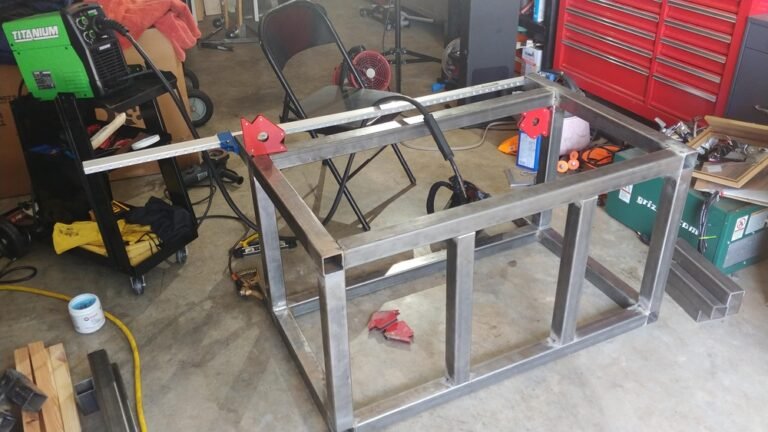
Welding is a process that often demands careful planning, especially when it comes to safety and workspace setup. Many workshops, garages, and job sites have concrete floors, leading people to ask: Can you weld on a concrete floor? This question is important for both professional welders and DIY enthusiasts, as getting it wrong can result in property damage or serious injury. Let’s look at the facts and best practices for welding on concrete floors.
Is It Safe To Weld On A Concrete Floor?
Concrete is a common flooring material because it’s strong and non-flammable. However, welding on concrete is not as simple as it sounds. While concrete itself does not burn, it can still pose unique dangers during welding.
- Explosion Risk: Concrete is porous. It can absorb water, oil, or chemicals. When heated by welding sparks or slag, trapped moisture can turn into steam. This sometimes causes the concrete to pop or even explode.
- Sparks and Slag: Hot metal drops can bounce off hard concrete and travel further than on dirt or steel. This increases the risk of fires if flammable materials are nearby.
- Electric Shock: Standing on a concrete floor, especially if it’s wet, increases the chance of electric shock. Concrete can conduct electricity better than many realize.
Real Example
A study by the Occupational Safety and Health Administration (OSHA) reported that several workplace injuries happened because welders did not realize the risks of welding on damp concrete. Even a small amount of moisture can lead to a spalling (surface breaking) event.
Pros And Cons Of Welding On Concrete
Let’s weigh the benefits and drawbacks to help you decide if welding on concrete is right for your project.
| Pros | Cons |
|---|---|
| Fire-resistant surface | Explosion risk from moisture |
| Easy to clean | Possible concrete damage |
| Strong support for heavy work | Risk of electric shock if wet |
| Common in workshops | Sparks can travel far |
How To Weld On A Concrete Floor Safely
Welding on concrete is possible, but you need to take precautions to avoid accidents.
1. Check For Moisture
- Make sure the floor is completely dry.
- Avoid welding after mopping or if the weather is humid.
2. Use A Welding Mat Or Blanket
- Place a fire-resistant mat or welding blanket on the floor. This protects both the concrete and you.
- Mats also absorb sparks and slag, reducing the risk of flying hot metal.
3. Keep The Area Clean
- Remove oil, grease, and chemicals from the floor. These can catch fire or explode when heated.
- Sweep away dust and debris.
4. Watch For Flammable Items
- Move anything flammable at least 35 feet away from your welding spot.
- This includes paper, cardboard, and wood pallets.
5. Proper Grounding
- Always ground your welding equipment properly.
- Use dry rubber-soled shoes to reduce the risk of electric shock.
6. Use Barriers
- Place welding screens or curtains to keep sparks contained.
- This is especially important in shared workshops.
Common Mistakes When Welding On Concrete
Even experienced welders can make errors that lead to accidents. Here are some mistakes to avoid:
- Ignoring moisture: Not checking for wet spots can result in dangerous explosions.
- No protective covering: Skipping the welding blanket risks both the floor and your safety.
- Poor housekeeping: Allowing clutter or flammable materials near the work area increases fire risk.
- Improper grounding: Forgetting to ground your equipment is a leading cause of electric shock.

Credit: www.foundationrepairservices.com
Comparison: Concrete Vs. Other Flooring Types For Welding
How does concrete compare with other common workshop floors? Here’s a quick look:
| Floor Type | Fire Risk | Explosion Risk | Cleaning Ease | Shock Risk |
|---|---|---|---|---|
| Concrete | Low | Medium (if wet) | High | Medium |
| Wood | High | Low | Medium | Low |
| Steel Plate | Low | Low | High | High |
| Dirt | Low | Low | Low | Low |
As the table shows, concrete is a better choice than wood but not always safer than dirt or steel. Its main weakness is the explosion risk if moisture is present.
Tips For Long-term Floor Protection
If you plan to weld regularly on concrete, consider these extra steps:
- Seal the concrete with an epoxy coating to reduce moisture absorption.
- Use detachable steel plates or thick ceramic tiles in your welding area.
- Regularly inspect and repair cracks where moisture can enter.

Credit: ctpoa.com
When You Should Not Weld On Concrete
There are times when welding on concrete is a bad idea:
- The floor is visibly wet or recently cleaned.
- You see cracks or chips where water could be trapped.
- The concrete is covered with unknown chemicals.
- The workspace cannot be cleared of flammable items.
If any of these conditions exist, move your welding to a safer surface or wait until the area is ready.
Frequently Asked Questions
Can Welding On Concrete Cause An Explosion?
Yes, if the concrete contains moisture, the heat from welding can turn the water into steam. This can cause the concrete to spall or explode suddenly.
Is A Welding Blanket Enough To Protect Concrete?
A welding blanket helps protect the floor and prevents sparks from bouncing, but it does not remove the risk of trapped moisture in the concrete itself.
What Should I Do If Concrete Pops Or Cracks During Welding?
Stop welding immediately. Allow the area to cool and inspect for damage. If the concrete is damaged, repair it before welding again.
Is It Better To Weld On Dirt Than On Concrete?
Dirt is less likely to explode from heat but can be messy and may not provide a stable base. Concrete is fine if dry and properly protected.
Where Can I Find Official Welding Safety Guidelines?
The American Welding Society (AWS) provides detailed safety recommendations. Visit the OSHA Welding Safety page for trusted information.
Welding on a concrete floor is possible, but it requires attention to detail and proper preparation. By understanding the risks and following smart safety steps, you can protect both yourself and your workspace. Always treat concrete with respect—what looks solid may hide dangers beneath the surface.
Stay safe, and happy welding.

Credit: www.radonseal.com