
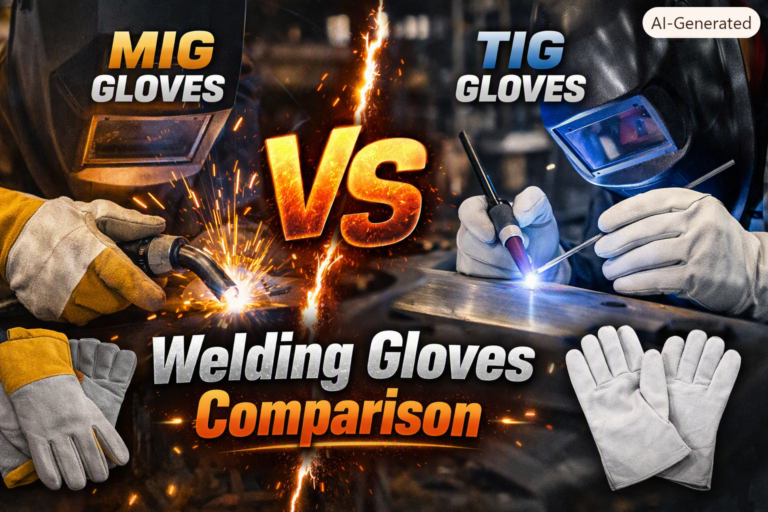
Welding is a skill that relies not only on technique and experience but also on the right safety gear. Among the most important pieces of protective equipment are welding gloves. But not all welding gloves are created equal. If you are new to welding, you may wonder about the difference between MIG and TIG welding gloves. Choosing the right gloves can make your work safer and more comfortable, and even improve the quality of your welds. Let’s explore the key differences, features, and how to select the best gloves for your needs.
Why Welding Gloves Matter
Your hands face serious risks during welding—high temperatures, sparks, and even electric shock. Welding gloves are designed to protect you from these dangers. The wrong gloves can lead to burns, fatigue, or poor control of your tools.
MIG and TIG welding are two common types of welding processes, and each has its own risks and requirements. The type of glove you use should fit the style of welding, not just your personal preference.
What Makes Mig And Tig Welding Gloves Different?
At first glance, all welding gloves might look similar. But the tasks they are designed for are very different. Here’s a breakdown of the main differences:
| Feature | MIG Gloves | TIG Gloves |
|---|---|---|
| Material Thickness | Thicker (heavy-duty) | Thinner (more flexible) |
| Dexterity | Low to moderate | High (precise movements) |
| Heat Protection | Excellent | Good (less than MIG) |
| Stitching | Often Kevlar reinforced | Fine, close stitching |
Mig Welding Gloves
MIG (Metal Inert Gas) welding produces a lot of sparks and heat. Gloves for MIG welding are made with thicker leather, usually cowhide or pigskin. They are padded, sometimes with extra lining, and have reinforced seams.
Pros:
- Superior protection from heat and spatter
- Durable for heavy-duty work
- Long cuffs shield the forearm
Cons:
- Less finger control
- Can feel bulky for detailed work
Tig Welding Gloves
TIG (Tungsten Inert Gas) welding uses lower current and focuses on precision. TIG gloves are usually made from soft, thin leather like goatskin or kidskin. They are designed for flexibility, letting you feel and control the welding rod with accuracy.
Pros:
- Excellent dexterity for fine movements
- Lightweight and comfortable
- Minimal bulk for better grip
Cons:
- Less protection from high heat and spatter
- Less durable for heavy-duty tasks
Key Features To Look For In Mig And Tig Gloves
It’s not enough to pick any pair labeled “welding gloves.” Pay attention to these essential features:
| Feature | Why It Matters |
|---|---|
| Leather Type | Cowhide and pigskin for durability (MIG); goatskin for flexibility (TIG) |
| Cuff Length | Longer cuffs protect the wrist and forearm |
| Lining | Extra insulation for heat (MIG); unlined for feel (TIG) |
| Stitching | Kevlar thread resists heat and wear |
| Fit | Snug but not tight for control and safety |
Real-world Example
A professional welder working on car frames with a MIG welder will choose thick, insulated gloves to handle sparks and heat. On the other hand, someone welding thin stainless steel tubes with a TIG setup will pick slim gloves that allow for delicate finger movements.
Common Mistakes When Choosing Welding Gloves
Even experienced welders sometimes make mistakes when picking gloves. Here are a few to avoid:
- Using one glove for everything. A glove made for MIG can be too clumsy for TIG, and a TIG glove won’t protect you enough during MIG.
- Ignoring fit. Loose gloves can slip, reducing control and causing accidents. Tight gloves can cut off circulation.
- Choosing by price alone. Cheap gloves might save money upfront but often wear out fast or fail to protect.
- Not checking the lining. Extra lining is great for heat but can reduce dexterity. For TIG, less lining is better.
- Forgetting about cuff length. Short cuffs expose your wrists to burns from stray sparks.
A tip most beginners miss: Always try gloves on with your welding tools in hand. Only then will you know if you have the right balance of protection and dexterity.
How To Choose The Right Welding Gloves For Your Work
When it’s time to select your gloves, consider these steps:
- Identify your main welding process (MIG or TIG).
- Think about the materials you weld. Heavy steel needs more protection; thin metals require more feel.
- Check glove certifications. Look for ANSI/ISEA or EN standards for heat and cut resistance.
- Test the fit. Flex your fingers, grip a welding rod, and make sure gloves don’t slip or bunch up.
- Look for reviews from other welders in your industry. Sometimes, glove comfort and durability depend on brand and model.
If you switch between MIG and TIG often, it’s smart to keep both types of gloves in your toolbox.
Practical Care Tips For Your Welding Gloves
Good gloves are an investment. To make them last longer:
- Clean them regularly with a damp cloth to remove metal dust and spatter.
- Avoid soaking in water. Wet leather loses shape and protection.
- Store in a dry, cool place out of direct sunlight.
- Check for damage before every use—holes or broken seams mean it’s time to replace them.
A little care can add months to the life of your gloves and keep your hands safe.
Frequently Asked Questions
What Is The Main Difference Between Mig And Tig Welding Gloves?
The main difference is material thickness and dexterity. MIG gloves are thicker for heat and spatter protection, while TIG gloves are thinner for better finger control.
Can I Use Mig Gloves For Tig Welding?
It’s not recommended. MIG gloves are too bulky for the precise movements needed in TIG welding. You’ll lose control and may affect the weld quality.
Are Goatskin Gloves Better For Tig Welding?
Yes, goatskin is soft and flexible, making it ideal for TIG welding where touch and movement are important.
How Often Should I Replace Welding Gloves?
Replace gloves when they show signs of damage, such as holes, worn spots, or loose seams. Frequent welders may need new gloves every few months.
Are There Welding Gloves That Work For Both Mig And Tig?
Some hybrid gloves exist, but they usually compromise between protection and dexterity. For best results, use gloves specifically designed for each process.
Welding is a craft where safety and skill go hand in hand. Choosing the right gloves—MIG or TIG—means you protect yourself and improve your work. As you gain experience, you’ll learn what works best for your hands and your welding projects. For more about welding safety standards, visit the Wikipedia Welding page. Working smart starts with the right gear, so invest wisely in your protection.