
Flux core welding is popular for its speed, portability, and ability to work outdoors. But many beginners struggle with one key question: What polarity for flux core welding? If you use the wrong polarity, your welds may be weak, messy, or even unsafe. Let’s dive into how polarity affects flux core welding, why it matters, and how to choose the right settings for your machine.
Understanding Polarity In Welding
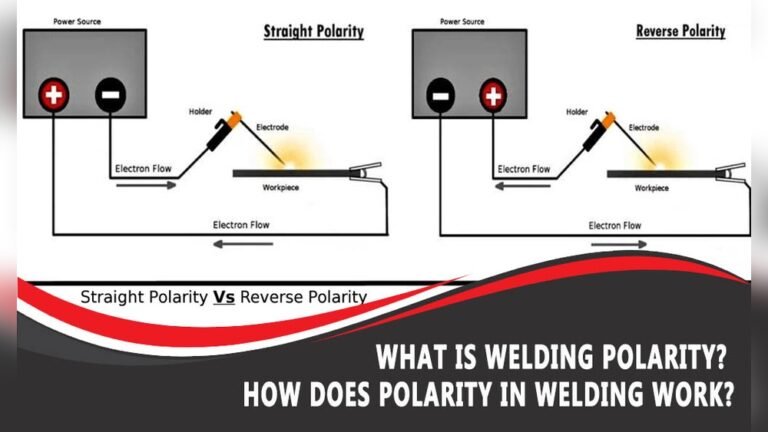
Welding polarity describes how electricity flows between the electrode and the workpiece. In simple terms, polarity is the direction of electrical current. There are two main types:
- DCEN (Direct Current Electrode Negative): The electrode is negative and the workpiece is positive.
- DCEP (Direct Current Electrode Positive): The electrode is positive and the workpiece is negative.
Polarity changes how much heat is delivered to the electrode and the metal. Choosing the correct polarity is vital for getting strong, clean welds.
Which Polarity For Flux Core Welding?
Most flux core welding uses self-shielded wires (FCAW-S), which require DCEN polarity. This means you set your welder so the electrode is negative. If you use gas-shielded flux core wires (FCAW-G), you often need DCEP polarity.
Here’s a quick comparison:
| Wire Type | Shielding | Recommended Polarity |
|---|---|---|
| Self-shielded (FCAW-S) | Flux only | DCEN |
| Gas-shielded (FCAW-G) | Flux + External Gas | DCEP |
Most hobby welders use self-shielded wires, especially outdoors. Using the wrong polarity can cause problems like excessive spatter, weak welds, or poor penetration.

Credit: americanindustrialsupl.wordpress.com
Why Does Polarity Matter?
Polarity affects how the arc forms and how well the weld penetrates the metal. With DCEN, more heat goes to the workpiece, so the weld melts deeper. This is ideal for self-shielded flux core wires because:
- Stronger welds: Deep penetration means your welds are robust.
- Less spatter: Cleaner welds with fewer messy spots.
- Better arc stability: The arc stays steady, helping you control the weld.
If you use DCEP with self-shielded flux core wire, you might notice weak welds and lots of spatter. For gas-shielded wires, DCEP helps the arc stay stable and improves bead appearance.
How To Set The Correct Polarity
Setting polarity is simple on most welding machines:
- Check your wire type: Read the packaging or the wire manufacturer’s instructions.
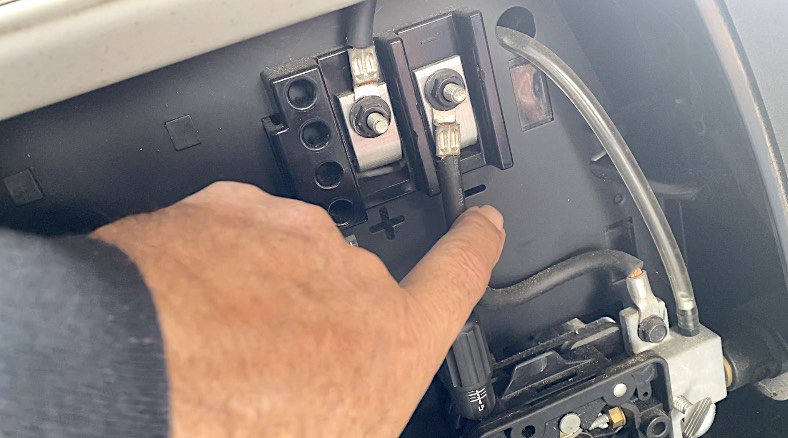
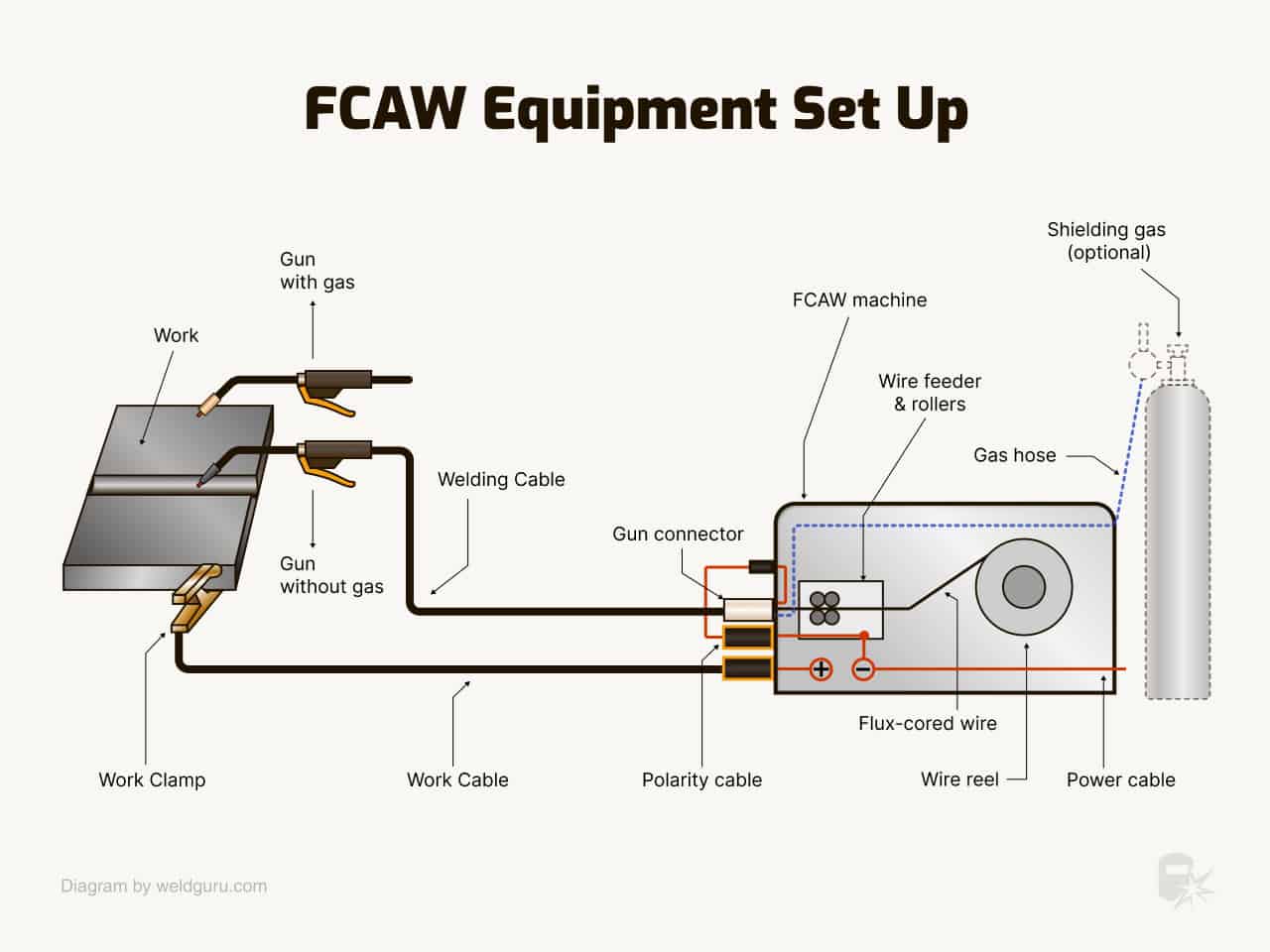
- Set machine polarity: Most welders have terminals marked “+” (positive) and “–” (negative). For self-shielded wires, connect the electrode to “–”.
- Test weld: Make a small test weld. Look for deep penetration and minimal spatter.
If you’re unsure, here’s how the connections should look:
| Wire Type | Electrode Connection | Workpiece Connection |
|---|---|---|
| Self-shielded (FCAW-S) | Negative (–) | Positive (+) |
| Gas-shielded (FCAW-G) | Positive (+) | Negative (–) |
Always double-check your wire and machine settings before starting a project.
Credit: www.weldingtipsandtricks.com
Common Mistakes With Polarity
Many beginners make mistakes with polarity. Here are some you should avoid:
- Assuming polarity is universal: Not all wires use the same polarity. Always check the wire type.
- Skipping the manual: Manufacturer instructions are essential. Each wire may have special needs.
- Ignoring weld quality: If you see excessive spatter or weak welds, check your polarity first.
A non-obvious tip: Some machines auto-set polarity for certain wires, but this can fail if you change wire brands. Always verify connections.
Practical Examples And Tips
Let’s say you’re using Lincoln Innershield NR-211 wire, a common self-shielded flux core wire. The packaging recommends DCEN. If you use DCEP by mistake, your welds will be shallow and weak.
For gas-shielded wires like ESAB Dual Shield 71, the instruction says DCEP. Using DCEN here causes poor arc stability and ugly weld beads.
A helpful insight: If you switch between MIG and flux core welding, remember that MIG usually uses DCEP, while most flux core uses DCEN.
Here are some practical tips:
- Mark your leads: Use colored tape to remind you which connection is which.
- Keep notes: Write down settings for each wire type.
- Test before big jobs: Do small practice welds to confirm polarity.
Credit: weldguru.com
Data On Weld Quality
Polarity affects weld quality more than many realize. According to a study by the American Welding Society, using the wrong polarity can reduce weld strength by over 40%. Proper polarity improves penetration by up to 30% and reduces spatter by 50%.
Here’s a comparison of weld results:
| Polarity | Penetration | Spatter | Weld Strength |
|---|---|---|---|
| Correct (DCEN for FCAW-S) | Deep | Low | High |
| Incorrect (DCEP for FCAW-S) | Shallow | High | Low |
Knowing this data helps you understand why experts insist on proper polarity.
Frequently Asked Questions
What Happens If I Use The Wrong Polarity With Flux Core Welding?
If you use the wrong polarity, your welds may be weak, shallow, and full of spatter. The arc can become unstable, making it hard to control the weld. Always check your wire instructions.
Can I Use The Same Polarity For Mig And Flux Core Welding?
No. MIG welding usually uses DCEP, while most flux core welding uses DCEN. Always set your welder based on the wire type.
Are All Flux Core Wires Self-shielded?
Not all. Some flux core wires are gas-shielded and require external shielding gas. Self-shielded wires are more common for hobby welders and outdoor work.
How Can I Check My Machine’s Polarity?
Look for terminals marked “+” and “–”. Your machine’s manual or the wire packaging will tell you which to use. Some machines have a switch or button for polarity selection.
Is There A Resource For More In-depth Welding Information?
Yes. The American Welding Society has guides and resources for all types of welding.
Getting the right polarity for flux core welding is simple but critical. With the correct settings, you get strong, reliable welds every time. Always check your wire, set your machine properly, and test before starting big jobs. If you follow these steps, you’ll avoid common mistakes and make your welding projects much easier.