
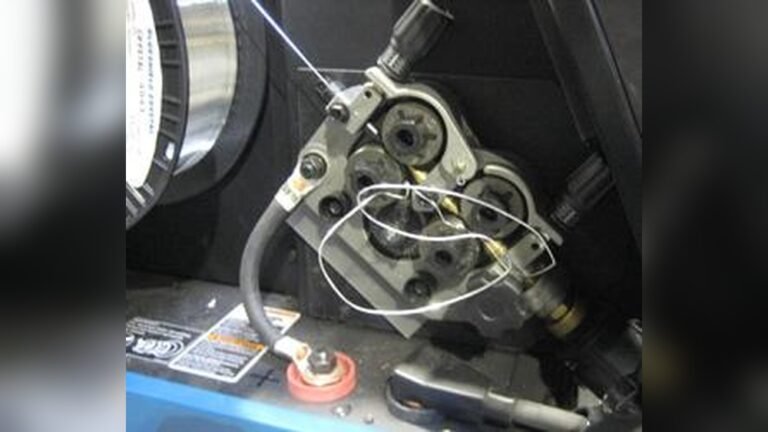
Welding is a skill that relies on smooth, consistent wire feeding. When your welding wire does not feed smoothly, it quickly disrupts your work. Uneven feeding causes poor welds, wasted material, and frustration. Whether you are a hobbyist or a professional, understanding why your wire feed is acting up can save you hours of troubleshooting and improve your weld quality.
Many people think wire feed problems come only from the machine. But in reality, issues often start with small details: the wire, drive rolls, liner, or even how you set your tension. Let’s break down the main causes, how to spot them, and what you can do to achieve a steady wire feed.
Common Causes Of Poor Wire Feeding
Several factors can make your welding wire feed unevenly. Each part of the wire feed system must work together. If one part fails, you’ll notice hiccups, snags, or a total stop.
1. Incorrect Drive Roll Tension
The drive rolls push the wire from the spool to your welding gun. If the tension is too loose, the rolls slip. If it’s too tight, the wire flattens or shreds.
- Too loose: Wire slips, making a ticking sound.
- Too tight: Wire looks crushed or has metal shavings.
A simple tip: Mark your wire before the drive rolls. Run the feed, and if the mark moves but no wire comes out, your rolls are slipping.
2. Worn Or Dirty Drive Rolls
Over time, drive rolls collect dust, grease, and metal particles. Worn grooves can’t grip the wire correctly.
- Check for grooves that look uneven or filled with debris.
- Clean or replace if needed.
3. Wire Liner Blockages
The wire liner guides the wire from the machine to the torch. Dirt, rust, or kinks inside the liner can block the wire.
- Listen for scratching or grinding sounds.
- Try blowing compressed air through the liner to clear debris.
4. Poor Quality Or Rusty Wire
Low-quality wire or wire with surface rust feeds badly.
- Rust increases friction in the liner.
- Cheap wire bends and snags more easily.
Always use clean, high-quality wire. Store spools in dry places.
5. Incorrect Wire Size Or Type
Drive rolls are designed for specific wire sizes. Using the wrong size causes slipping or damage.
- Match your drive roll and liner to the wire size.
- Solid wire and flux-cored wire need different drive roll grooves.
6. Gun Cable Issues
A twisted or kinked gun cable increases resistance.
- Keep cables as straight as possible during welding.
- Avoid sharp bends or heavy weight on the gun.
Diagnosing The Problem
To find the cause of poor wire feeding, use a systematic approach. Start at the wire spool and check each part of the path to the contact tip.
Here’s a comparison of common symptoms and their likely causes:
| Symptom | Possible Cause |
|---|---|
| Wire hesitates or jerks | Dirty liner, rust, or kinked cable |
| Wire shaves or birds-nests | Too much drive roll tension, worn rolls |
| Wire does not feed at all | Rolls too loose, spool jammed |
If you can, try feeding wire without welding. If the wire moves smoothly, the problem may be at the contact tip or the workpiece.

Credit: americantorchtip.com
How To Fix Wire Feeding Issues
Solving wire feeding problems is usually straightforward if you tackle each possible source.
1. Adjust Drive Roll Tension
- Start with low tension.
- Increase slowly until the wire feeds without slipping.
- Do not overtighten.
2. Replace Or Clean Drive Rolls
- Remove rolls and inspect for wear.
- Clean with a brush and solvent.
- Replace if grooves are worn out.
3. Clean Or Replace The Liner
- Remove the liner following your machine’s instructions.
- Use compressed air or a liner brush.
- Replace if damaged or badly clogged.
4. Use Quality Wire
- Buy wire from trusted brands.
- Store in a dry, dust-free area.
- Wipe wire before loading.
5. Match Components
- Use correct size drive rolls and liners for your wire.
- For example, .030” wire needs .030” rolls and liners.
Here’s a quick reference for common wire sizes and matching drive roll grooves:
| Wire Size | Drive Roll Groove | Liner Size |
|---|---|---|
| .023” | .023” (V-groove) | .023” |
| .030” | .030” (V-groove) | .030” |
| .035” | .035” (V-groove) | .035” |
6. Maintain Gun Cables
- Hang cables on a hook to keep them straight.
- Avoid stacking tools or materials on cables.
Practical Tips For Smooth Wire Feeding
- Check wire spool tension: The spool brake should offer light resistance, enough to stop over-spooling but not so much that it drags.
- Replace contact tips regularly: Tips wear out, especially if you weld a lot. A worn tip increases friction.
- Use a wire cleaner pad: Place a pad before the wire enters the liner to catch dust and rust.
- Inspect weekly: Even if everything works fine, check all parts regularly. Small problems grow over time.
Many welders overlook how humidity affects wire. Even a little rust inside the liner can cause big feeding problems. Store wire in sealed bags or containers with desiccant if you live in a humid area.

Credit: yeswelder.com
When To Seek Professional Help
If you’ve checked everything and still have issues, your machine may need expert service. Internal motor problems, faulty circuit boards, or broken wire feeders are rare but possible. Don’t waste hours guessing—get help if basic fixes don’t work.
Frequently Asked Questions
Why Does My Wire Feed Smoothly With No Arc, But Stops When Welding?
This usually means there’s extra resistance only under load. Often, a dirty contact tip or a liner partially clogged with debris is to blame. Try changing the tip and cleaning the liner.
Can I Use Any Wire Size With My Welder?
No. Each welder supports specific wire sizes. Using the wrong size stresses the drive system and causes feeding problems. Check your manual for supported sizes.
Is It Bad To Use Rusty Welding Wire?
Yes. Rusty wire increases friction, clogs the liner, and leads to poor-quality welds. Always use clean, dry wire for best results.
How Often Should I Replace The Wire Liner?
For hobby use, replace the liner every 6-12 months or if you see feeding problems. Professionals may need to replace it more often, depending on usage.
What’s The Difference Between V-groove And Knurled Drive Rolls?
V-groove rolls are for solid wire. Knurled rolls are for flux-cored wire, as they grip the softer wire better. Using the wrong roll type can damage the wire or cause slippage.
Smooth wire feeding is the foundation of good welding. With proper maintenance, the right wire, and regular checks, you’ll spend less time fixing problems and more time laying down quality welds. For more detailed troubleshooting, check resources like the Gas Metal Arc Welding entry on Wikipedia. Staying ahead of problems keeps your projects moving forward and your welds looking professional.

Credit: www.amazon.com