
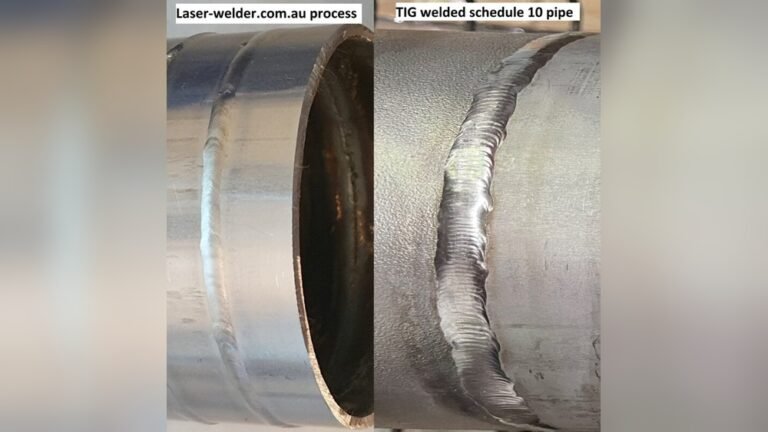
Laser Welding Vs Tig: Which Is Best For Your Project?
When it comes to joining metals, the debate between laser welding and TIG welding (Tungsten Inert Gas) is stronger than ever. Both methods promise quality and precision, but they serve different needs. If you’re wondering which technique is right for your project, understanding their strengths, weaknesses, and practical differences can save time, money, and trouble.
What Is Laser Welding?
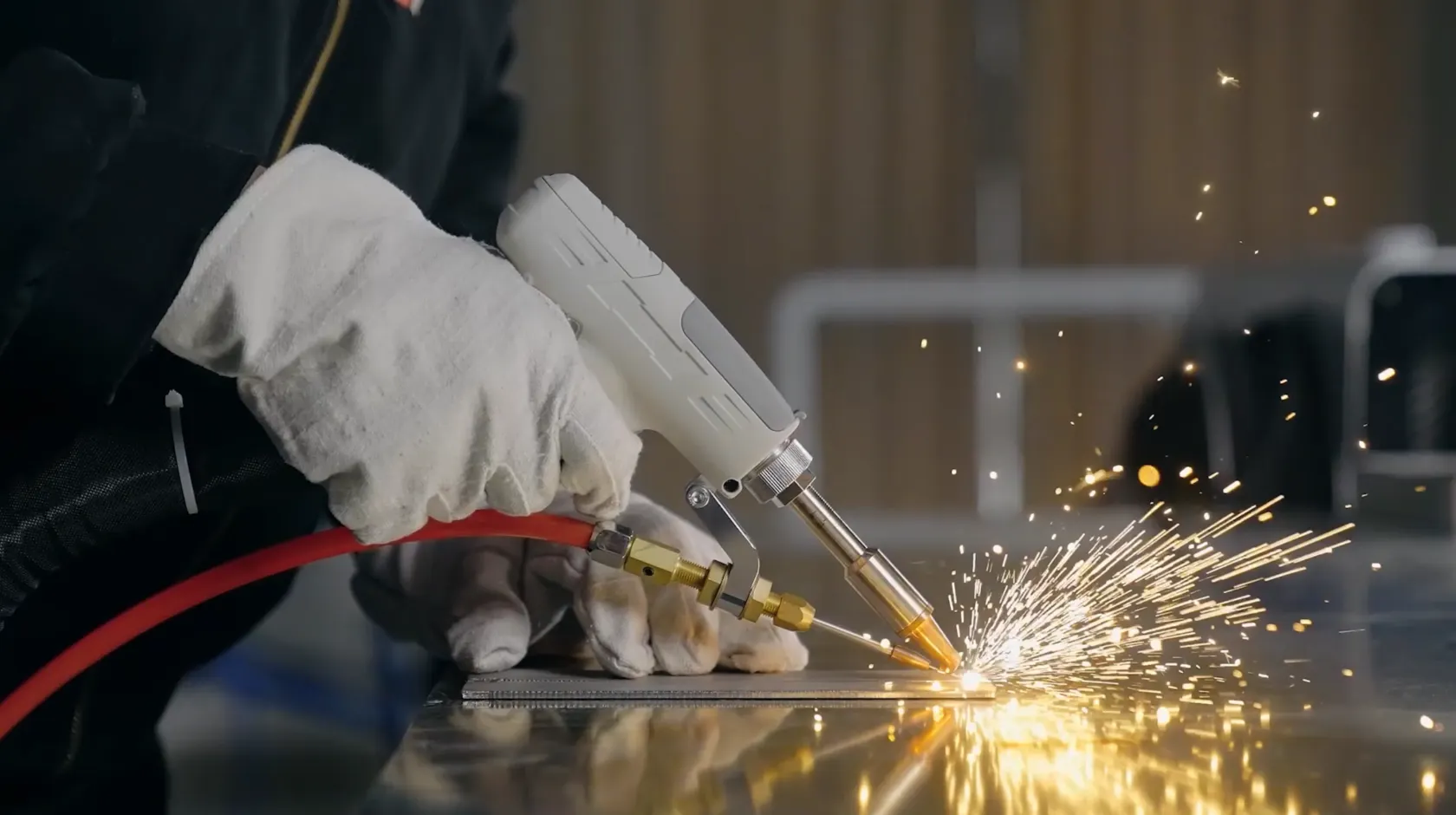
Laser welding uses a highly focused beam of light to melt and join metal parts. The process is automated, fast, and creates very narrow weld seams. Laser welding is common in industries like automotive, electronics, and medical devices because it works well with thin materials and complex shapes.
- Speed: Laser welding can reach up to 100 mm/sec or more.
- Precision: Welds as narrow as 0.1 mm are possible.
- Automation: Most laser systems are controlled by robots or computers.
- Materials: Works with stainless steel, aluminum, titanium, and more.
A major advantage is minimal heat-affected zones, which keeps the surrounding metal strong and reduces distortion.
What Is Tig Welding?
TIG welding uses a tungsten electrode and an inert gas (usually argon) to protect the weld area. A skilled operator controls the process, adding filler metal as needed. TIG is popular for manual welding jobs, especially where appearance and weld quality matter.
- Control: The welder can adjust heat and filler at any moment.
- Versatility: Suitable for thin and thick materials.
- Surface Quality: Produces clean, attractive welds.
- Materials: Works well with stainless steel, aluminum, copper, and more.
TIG welding is slower than laser welding, but it offers unmatched control for complex or decorative jobs.

Credit: www.youtube.com
Direct Comparison: Key Differences
To help you choose, here’s a side-by-side look at the main differences:
| Feature | Laser Welding | TIG Welding |
|---|---|---|
| Speed | Very fast (up to 100 mm/sec) | Slower (10-30 mm/sec) |
| Precision | High (narrow seams, low distortion) | Moderate (depends on skill) |
| Automation | Usually automated | Mainly manual |
| Material Thickness | Best for thin | All thicknesses |
| Cost | High setup cost | Lower setup cost |
| Skill Level | Requires setup/maintenance skill | Requires welding skill |
Where Laser Welding Excels
Laser welding shines in industries where speed and precision are critical. For example, in car manufacturing, laser welds can join metal panels quickly, with little distortion. In electronics, tiny components need narrow, clean welds that only lasers can provide.
- Medical tools: Laser welds are used for surgical instruments because they don’t damage sensitive parts.
- Battery manufacturing: Battery cells are joined by lasers for reliability.
An insight many beginners miss: laser welding is not just fast—it’s consistent. Once you program the machine, every weld is almost identical. This is ideal for mass production.

Credit: www.smacna.org
Where Tig Welding Shines
TIG welding is the go-to for custom projects, repairs, and artistic work. If you need to weld thick parts or change settings on the fly, TIG offers flexibility. Skilled welders can create beautiful, strong joints that meet strict standards.
- Aerospace: TIG is used for critical parts where weld quality is vital.
- Pipe and tube work: TIG allows full control over weld shape and penetration.
A detail often overlooked: TIG lets you weld exotic metals (like magnesium or gold) with the right setup. This makes it valuable for specialty industries.
Cost And Practical Considerations
Choosing between laser and TIG is not just about performance. Cost, training, and maintenance also play a big role.
| Aspect | Laser Welding | TIG Welding |
|---|---|---|
| Equipment Price | $20,000–$250,000+ | $2,000–$10,000 |
| Operator Training | Technical/robotics | Welding skill |
| Maintenance | Specialized | Standard |
| Production Volume | High | Low/medium |
Laser welding is a big investment and suits companies with high production needs. TIG welding is more affordable, ideal for small shops or custom projects.
Common Mistakes In Choosing
- Ignoring Material Thickness: Laser welding struggles with thick metals. If your project involves heavy steel, TIG is better.
- Overestimating Automation: Laser systems need expert setup. It’s not “plug and play.”
- Assuming Appearance: TIG welds often look better for visible parts.
- Skipping Training: Both methods require proper training—don’t cut corners.
Real-world Examples
A car factory uses laser welding for body panels, saving hours and reducing defects. Meanwhile, a bike shop relies on TIG for custom frames, where every weld is unique.
Another practical tip: If you need to weld aluminum, both methods work, but TIG gives more control over the heat and filler, preventing cracks.
Credit: www.bodor.com
How To Choose For Your Project
Ask yourself:
- Are you making many parts or just a few?
- Laser is best for volume.
- TIG suits small batches.
- Is weld appearance important?
- TIG gives smoother, prettier welds.
- Do you need flexibility?
- TIG lets you adjust in real-time.
- Is budget a concern?
- TIG is far less expensive.
If you want more technical details, you can check this Wikipedia article on laser welding.
Frequently Asked Questions
What Metals Can Laser Welding And Tig Welding Join?
Both can weld stainless steel, aluminum, titanium, and other metals. TIG is better for thicker or exotic metals, while laser excels with thin materials.
Is Laser Welding Always Faster Than Tig?
Yes, for most jobs. Laser welding can be 5-10 times faster than TIG, especially in automated production.
Which Is Better For Beginners?
TIG welding is easier to learn for hands-on jobs. Laser welding needs technical knowledge and is mostly used in factories.
Can Both Methods Produce Strong Welds?
Absolutely. Both make strong welds if the setup is correct. However, laser welds are usually stronger in thin materials, while TIG is best for thick parts.
Is Laser Welding More Expensive?
For equipment and setup, yes. Laser welding machines cost much more than TIG systems. TIG is affordable for small shops and repairs.
Choosing between laser welding and TIG welding is about matching your needs, budget, and skills. Both methods are powerful, but the right choice depends on your project. If you consider all the factors above, you’ll make a smart, confident decision.