
Becoming a certified welder opens doors to stable jobs, higher pay, and respected positions in industries like construction, automotive, oil and gas, and manufacturing. Certification proves your skills meet industry standards, making you more attractive to employers. If you want to build a career as a welder, understanding the path to certification is crucial.
What Does A Certified Welder Do?
A certified welder joins metal parts using heat and pressure, following strict safety and quality standards. Their work can include building bridges, pipelines, ships, or working in factories. Certification shows that you can handle welding tools safely and produce quality welds that meet project requirements.
Education And Training: The First Steps
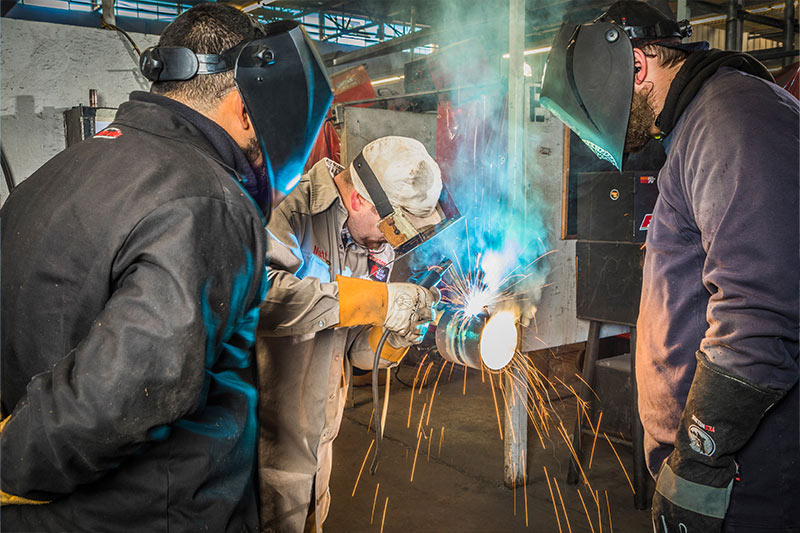
You don’t need a college degree to become a certified welder, but you do need the right training. Most welders start with a high school diploma or GED. Courses in math, science, and shop can help. Next, many attend a vocational school or community college for welding programs, which typically last 6 months to 2 years.
Practical training is key. Good programs offer hands-on practice with different welding techniques, such as:
- Shielded Metal Arc Welding (SMAW)
- Gas Metal Arc Welding (GMAW/MIG)
- Gas Tungsten Arc Welding (GTAW/TIG)
- Flux-Cored Arc Welding (FCAW)
Some employers offer apprenticeships, which combine paid work with classroom learning. Apprenticeships usually last 2–4 years and can lead directly to certification.
Here’s a quick comparison between vocational school and apprenticeship:
| Pathway | Duration | Key Features |
|---|---|---|
| Vocational School | 6–24 months | Hands-on training, classroom learning, faster entry |
| Apprenticeship | 2–4 years | Earn while you learn, industry connections, deeper experience |
Credit: www.tws.edu
Earning Welding Certification
The most recognized certifying body in the US is the American Welding Society (AWS). Their Certified Welder (CW) program is widely accepted. The certification process includes a hands-on test. You will weld a sample piece in a test setting, following a specific Welding Procedure Specification (WPS). An inspector checks your work for quality and safety.
Other certifications may be required for specialized work. For example, the American Society of Mechanical Engineers (ASME) certifies welders for pressure vessels and boilers. The American Petroleum Institute (API) is important for oil and gas industry welders.
Common steps to certification:
- Choose the type of welding you want to be certified in (e.g., MIG, TIG, pipe welding).
- Learn the skills through school, apprenticeship, or on-the-job training.
- Schedule a certification test at an accredited testing center.
- Pass the hands-on welding test and any required written exams.
Here’s a comparison of three major welding certifications:
| Certification | Industry Focus | Testing Method |
|---|---|---|
| AWS Certified Welder | General, construction, manufacturing | Practical test (hands-on) |
| ASME Certification | Pressure vessels, boilers | Practical + written test |
| API Certification | Oil & gas, pipelines | Practical test (hands-on) |
Costs And Earning Potential
Welding certification costs vary. The AWS test usually costs $150–$300. Training programs may cost $3,000–$20,000, depending on location and length. Apprenticeships often pay a wage, so you can earn as you learn.
Certified welders earn more than non-certified welders. According to the U.S. Bureau of Labor Statistics, the median pay for welders in 2026 was about $48,000 per year. Specialized welders, such as underwater or pipeline welders, can earn over $75,000.
Let’s see a quick earnings comparison:
| Welding Role | Median Annual Pay | Certification Required? |
|---|---|---|
| General Welder | $48,000 | Recommended |
| Pipe Welder | $60,000 | Yes |
| Underwater Welder | $75,000+ | Yes, plus diving |
Credit: yeswelder.com
Common Mistakes To Avoid
Many beginners miss important steps on their path to certification:
- Skipping practice: Not enough hands-on welding before the test often leads to failure.
- Ignoring safety: Failing to learn about proper safety gear and safe practices can cause injury.
- Choosing the wrong certification: Not all employers accept the same certifications. Always check job requirements.
- Letting certification expire: Many certifications must be renewed every 6 months to 3 years.
A non-obvious tip: Some welders focus too much on one welding process. Learning multiple techniques makes you more flexible and employable.
Continuing Education And Career Growth
Welding is a field where technology changes. Robotic welding and advanced materials are becoming common. Certified welders should consider further training in new technologies or specialized areas like inspection or welding supervision.
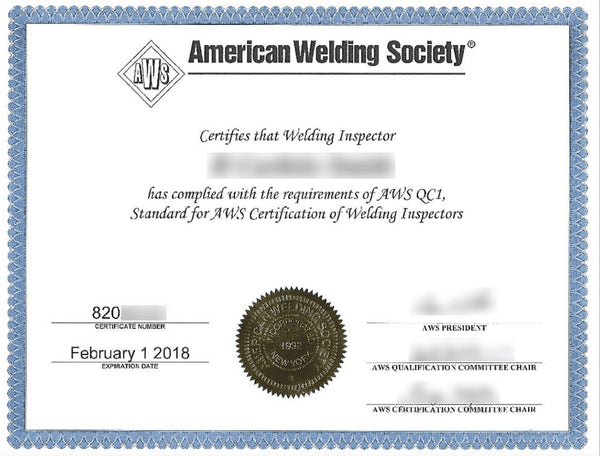
Advanced certifications, like the AWS Certified Welding Inspector, can lead to higher-paying jobs and leadership roles. Networking through industry events and joining groups like the AWS can help you stay updated.

Credit: onetouchexim.com
Frequently Asked Questions
What Is The Easiest Welding Certification To Get?
The AWS Certified Welder (CW) is often considered the easiest, as it only requires a hands-on skills test for a specific welding process. No written exam is needed.
How Long Does It Take To Become A Certified Welder?
Most people can get certified in 6 months to 2 years, depending on their training path and chosen certification.
Can I Become A Certified Welder Without Formal Education?
Yes, but hands-on training is essential. Some learn through apprenticeships or on-the-job experience and then take the certification test.
Is Welding Certification Valid Everywhere?
Most US certifications, like AWS, are widely accepted, but some employers or countries may require their own certification. Always check local requirements.
Where Can I Find More Information About Welding Certification?
You can visit the American Welding Society for details on certifications, study materials, and test locations.
A career as a certified welder can be rewarding, both financially and personally. With the right training, practice, and certification, you can join a vital industry and build a stable future. Always keep learning and stay current with new welding methods to keep your skills in demand.