
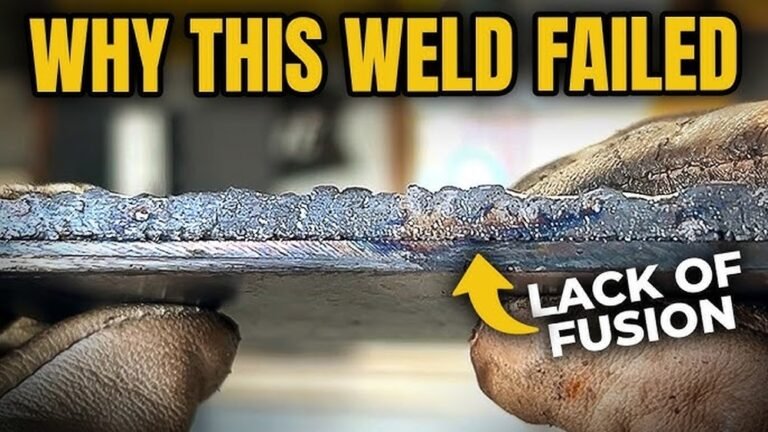
Welding is a skill that takes practice, patience, and an understanding of materials and equipment. When your welds are not sticking, it can be frustrating and confusing. Whether you’re a beginner or have some experience, knowing why your weld isn’t holding is key to improving your results.
Let’s explore the main reasons welds fail to stick, and how you can fix them.
Common Causes Of Welds Not Sticking
Several factors can make your welds fail to bond properly. Most problems come from the equipment setup, material condition, or welding technique. Understanding these causes helps you fix your welds quickly.
1. Incorrect Welding Settings
Welding machines need the right settings for the job. If the voltage or amperage is too low, the weld won’t penetrate the metal, causing weak or failed joints. Too much power can also cause poor results, burning through the material.
| Welding Type | Common Amperage Range | Ideal Voltage |
|---|---|---|
| MIG | 75–200 A | 18–26 V |
| TIG | 20–250 A | 10–25 V |
| Stick | 40–180 A | 20–28 V |
Always check your machine’s manual and match settings to your metal thickness and welding type.
2. Dirty Or Contaminated Surfaces
Metal surfaces must be clean. Dirt, oil, rust, or paint act as barriers, stopping the weld from bonding. Even small amounts of grease can cause problems.
- Use a wire brush or grinder to clean the joint area.
- Remove all paint and coatings before welding.
- For aluminum, brush with a stainless steel wire brush to remove oxide.
3. Wrong Electrode Or Filler Material
Using the wrong electrode or filler rod can lead to weak welds. Each metal requires a specific rod or wire.
| Metal Type | Recommended Electrode | Filler Material |
|---|---|---|
| Mild Steel | E6013, E7018 | ER70S-6 |
| Stainless Steel | E308L | ER308L |
| Aluminum | 4043 | ER4043 |
Check compatibility before starting. Using mismatched materials is a common mistake, especially for beginners.
4. Poor Welding Technique
Your hand movement, speed, and angle affect weld quality. Moving too fast or slow can cause the weld bead to sit on top of the metal instead of fusing.
- Keep a steady hand and consistent speed.
- Hold the torch or stick at the recommended angle (usually 10–15° from vertical).
- Practice on scrap metal to improve your control.
5. Insufficient Heat Input
If the weld pool isn’t hot enough, the metals won’t melt together. This leads to “cold lap” or weak welds.
- Increase amperage if the weld isn’t penetrating.
- Watch for a shiny, fluid weld pool as a sign of good heat.
6. Faulty Ground Connection
A poor ground can cause erratic arc behavior and weak welds. Make sure the ground clamp is tightly attached to clean metal.
7. Metal Thickness Issues
Trying to weld thick metals with a low-powered machine is a common error. Always check your machine’s capacity.
| Machine Type | Max Metal Thickness (in.) |
|---|---|
| 110V MIG | 1/8″ |
| 220V MIG | 1/2″ |
| Stick Welder | Up to 1″ |
If your machine is underpowered, the weld won’t stick, no matter your technique.
How To Fix Welds That Don’t Stick
Knowing the cause is only half the solution. Here are practical steps to fix and prevent welds that don’t stick.
- Clean the metal: Remove all rust, paint, and oil.
- Check machine settings: Match amperage and voltage to the material.
- Use the right electrode: Confirm compatibility for your metal type.
- Secure the ground clamp: Attach to bare, clean metal.
- Practice technique: Work on speed and angle for better fusion.
- Upgrade equipment if needed: Use a more powerful welder for thick metals.
Sometimes, a combination of issues is the culprit. For example, dirty metal and wrong electrode together can make welds fail, even if your technique is good.

Credit: www.youtube.com
Non-obvious Insights Beginners Miss
- Humidity affects welds: Moisture on metal or electrodes can create porous, weak welds. Store rods and wire in dry places.
- Welding position matters: Overhead or vertical welds need special techniques and settings. Adjust your approach based on position.
Many beginners overlook these factors, focusing only on machine settings or technique. Addressing all areas leads to consistent, strong welds.
Real-world Examples
Let’s look at two welders’ experiences:
- Case 1: A hobbyist was welding rusty car panels. His welds kept popping off. After cleaning the metal thoroughly and switching to the correct wire, his welds started holding.
- Case 2: An amateur welder tried to join thick steel with a small 110V MIG. The welds didn’t stick, no matter the settings. Upgrading to a 220V machine solved the problem.
These examples show that sometimes small changes make a big difference.

Credit: www.reddit.com
When To Seek Professional Help
If you’ve tried all the fixes and your welds still don’t stick, it might be time for expert advice. Welding instructors or certified welders can spot issues you may miss. Sometimes, the problem lies with the equipment itself—a damaged torch or faulty wire feed.
For more in-depth information, visit the Wikipedia Welding page.
Frequently Asked Questions
Why Does My Weld Bead Sit On Top Of The Metal?
Usually, this happens due to low heat input or dirty surfaces. Increase amperage and clean the metal thoroughly.
Can I Weld Over Painted Metal?
No. Paint blocks the weld from sticking. Always remove paint before welding.
How Do I Know If My Weld Has Penetrated Properly?
A good weld shows fusion at the joint and a shiny, continuous bead. If the weld breaks easily or sits on top, there was poor penetration.
What Is The Best Way To Clean Metal Before Welding?
Use a wire brush, grinder, or sandpaper. For aluminum, use a stainless steel wire brush. Avoid using oily rags.
Is It Possible To Weld Thick Steel With A Small Machine?
No. Small machines lack the power for thick steel. Check your welder’s capacity and upgrade if needed.
Making welds stick is a mix of preparation, proper technique, and using the right tools. By understanding the causes and solutions, you’ll save time and produce strong, lasting welds. Practice, attention to detail, and learning from mistakes will help you become a skilled welder.

Credit: www.reddit.com