
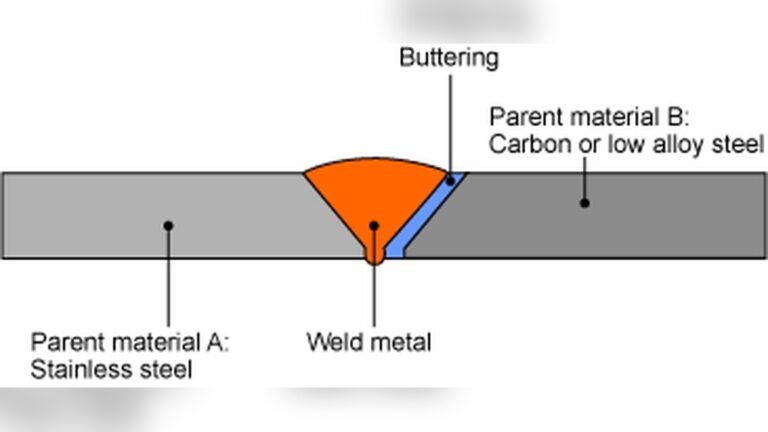
Welding dissimilar metals is a challenge many fabricators face, especially as industries demand stronger, lighter, and more versatile materials. Mixing metals like steel and aluminum or copper and stainless steel can unlock new possibilities for construction, automotive, and aerospace projects. However, joining metals with different properties requires careful planning and skill. This article will guide you through the main methods, difficulties, and solutions for welding dissimilar metals, helping you understand when and how this technique is best applied.
Why Weld Dissimilar Metals?
Combining metals with different strengths, corrosion resistance, or thermal properties can offer unique advantages. For example, using aluminum for lightweight sections and steel for structural strength reduces weight without sacrificing durability. In electrical engineering, copper is often joined with aluminum for efficient conductivity.
Industries such as automotive, shipbuilding, and electronics frequently use dissimilar metal welding to create components that perform better and last longer.
Challenges In Welding Dissimilar Metals
Welding two different metals is not as simple as joining similar ones. Here are the main obstacles:
- Different melting points: For example, aluminum melts at 660°C, while steel melts around 1450°C. This makes it hard to control the weld.
- Thermal expansion: Metals expand at different rates when heated, leading to cracks or distortions.
- Formation of brittle compounds: Some metal combinations produce intermetallic compounds that are weak and brittle.
- Corrosion risk: Dissimilar metals can cause galvanic corrosion when exposed to moisture.
Consider this data: According to research, nearly 60% of failed dissimilar welds are due to improper selection of filler material or poor preparation.
Credit: www.youtube.com
Common Dissimilar Metal Combinations
Certain metal pairs are welded more often due to their industrial use. Here’s a quick comparison:
| Metal Pair | Typical Application | Difficulty Level |
|---|---|---|
| Steel & Aluminum | Automotive frames | High |
| Copper & Stainless Steel | Electrical connectors | Medium |
| Titanium & Steel | Aerospace parts | Very High |
| Nickel & Steel | Power plant piping | Low |
Welding Methods For Dissimilar Metals
Several welding techniques are used for joining different metals. The right method depends on the metals and application.
Fusion Welding
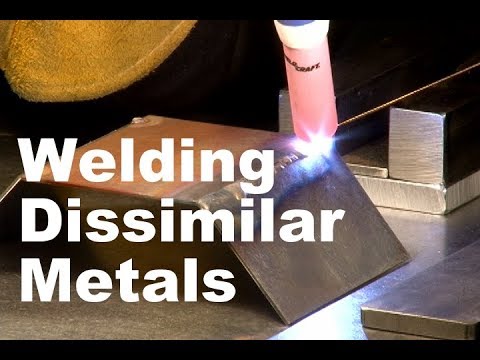
Fusion welding (like MIG and TIG) melts both metals to create a bond. However, it’s tricky with dissimilar metals due to the different melting points. Special filler metals are often required.
Brazing And Soldering
Brazing uses a filler metal that melts below the base metals’ melting points. This method avoids many problems of fusion welding, but the joint is usually weaker. Soldering is similar, but for low-temperature applications.
Explosion Welding
Explosion welding uses a controlled blast to bond metals together. It is popular for joining large sheets of metals with very different properties, such as aluminum and steel.
Friction Welding
Friction welding generates heat by rubbing the metals together, causing them to bond. This technique is common in automotive and aerospace applications.
Selecting The Right Filler Material
Choosing a suitable filler is crucial. The filler must bridge the gap between the metals’ properties and avoid forming brittle compounds.
| Metal Pair | Recommended Filler | Notes |
|---|---|---|
| Steel & Aluminum | Nickel-based | Reduces brittleness |
| Copper & Stainless Steel | Silver-based | Good conductivity |
| Titanium & Steel | Vanadium alloy | Improves strength |
| Nickel & Steel | Nickel alloy | Easy to work with |
Practical Steps For Welding Dissimilar Metals
If you plan to weld dissimilar metals, follow these steps for best results:
- Clean the surfaces: Remove oxide layers, dirt, and oil. Even small contamination can ruin the weld.
- Use proper joint design: Choose a joint type that allows easy access and minimizes stress, like lap or butt joints.
- Select compatible filler: Research which filler works best for your metal pair.
- Control heat input: Use pulsed welding or preheating to manage temperature differences.
- Test the weld: Always inspect and test the weld for strength and appearance.
A common mistake is ignoring the metals’ expansion rates, which can cause cracks as the joint cools. Another frequent error is choosing a filler based only on cost, rather than compatibility.

Credit: yeswelder.com
Real-world Example: Aluminum To Steel
Joining aluminum and steel is needed in car manufacturing. Automakers use explosion welding to create strong, corrosion-resistant bonds. Sometimes, a nickel-based filler is used with TIG welding, but the process demands careful control of heat to avoid brittle compounds.
A study by the American Welding Society found that using nickel-based fillers improved the durability of aluminum-steel welds by 40% compared to regular aluminum fillers.
Testing And Inspection
Proper testing is vital. The most common tests include:
- Ultrasonic testing: Detects internal cracks and flaws
- X-ray inspection: Reveals hidden defects
- Bend tests: Checks flexibility and strength
These methods ensure the weld will perform as needed in its intended environment.
Tips For Beginners
- Start with easier metal pairs, like nickel and steel.
- Practice on small samples before moving to big projects.
- Keep detailed records of materials, fillers, and settings for each weld.
- Always wear proper safety gear, as welding dissimilar metals can create harmful fumes.
One insight many beginners miss is the importance of preheating. For metals like steel and aluminum, preheating reduces stress and helps avoid cracking.
Frequently Asked Questions
What Is The Best Method For Welding Dissimilar Metals?
The best method depends on the metals involved. For pairs like steel and aluminum, explosion welding or brazing is often preferred. For easier pairs, TIG or MIG welding with the right filler is effective.
Can You Weld Stainless Steel To Aluminum Directly?
No, direct fusion welding usually fails due to the formation of brittle compounds. Instead, use brazing or an intermediate layer like nickel.
How Do You Prevent Galvanic Corrosion In Dissimilar Metal Welds?
Use a compatible filler, apply protective coatings, and design joints to minimize moisture exposure. Galvanic corrosion occurs when metals with different electrochemical properties touch and get wet.
Are There Standards For Welding Dissimilar Metals?
Yes, organizations like the American Welding Society (AWS) provide guidelines for different metal pairs and welding methods. You can find more details at Wikipedia.
What Are Common Signs Of A Failed Dissimilar Metal Weld?
Cracking, discoloration, and loss of strength are key signs. Testing with ultrasonic or X-ray methods can confirm hidden issues.
Welding dissimilar metals opens up new opportunities in many industries, but it requires knowledge, careful planning, and the right tools. With practice and attention to detail, you can achieve strong, reliable joints that combine the best properties of each metal.

Credit: www.youtube.com