
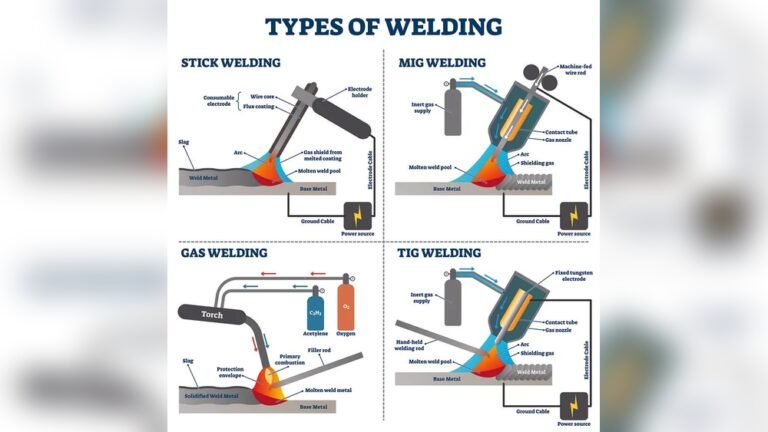
Welding is a skill that shapes metal, builds structures, and repairs machines. Two common welding methods are TIG welding and Stick welding. Both have unique strengths and weaknesses. If you’re new to welding or want to pick the best method for your next project, understanding these differences is important. In this article, you’ll learn how TIG and Stick welding compare, how each works, and what really matters when choosing between them.
How Tig Welding Works
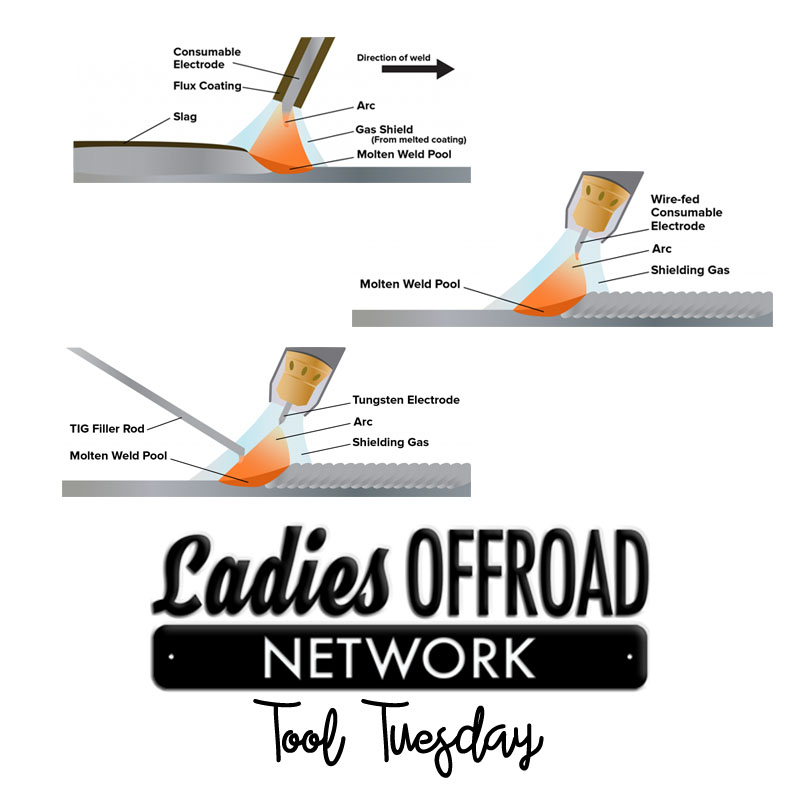
TIG welding (Tungsten Inert Gas) uses a non-consumable tungsten electrode. This method requires both hands: one holds the torch, and the other feeds filler metal. An inert gas (usually argon) protects the weld from contamination.
- Precision: TIG welding is famous for its fine control. You can weld thin metals, create clean seams, and avoid splatter.
- Materials: It works on many metals, including aluminum, stainless steel, and magnesium.
- Appearance: The welds look neat and shiny, which matters for visible joints.
A typical TIG setup needs a power source, a torch, gas cylinders, and filler rods. TIG welders often work in clean shops because dirt can ruin the weld.
How Stick Welding Works
Stick welding (Shielded Metal Arc Welding or SMAW) uses a consumable electrode (the “stick”). The electrode contains flux, which creates a protective gas and slag as it burns. You only need one hand to hold the electrode.
- Simplicity: Stick welding is easy to set up. It’s portable and works well outside, even in wind or rain.
- Materials: This method can weld steel, cast iron, and some alloys.
- Durability: The welds are strong, but often less neat than TIG.
Stick welders are common in construction, farm repair, and heavy industry. They handle dirty, rusty surfaces better than TIG, making them practical for rough jobs.
Tig Vs Stick Welding: Key Differences
To quickly see how TIG and Stick welding compare, look at this simple table:
| Feature | TIG Welding | Stick Welding |
|---|---|---|
| Precision | High | Medium |
| Cleanliness | Very Clean | Moderate |
| Setup | Complex | Simple |
| Outdoor Use | Poor | Excellent |
| Weld Appearance | Shiny, Smooth | Rough, Matte |
Choosing The Right Method
When deciding between TIG and Stick welding, consider these points:
- Metal Type: TIG handles thin, tricky metals. Stick is best for thick steel and iron.
- Project Location: TIG needs a clean, controlled environment. Stick works anywhere—even outdoors or on dirty metal.
- Skill Level: TIG requires steady hands and practice. Stick is easier for beginners.
- Equipment Cost: TIG gear is more expensive and complex. Stick welders are cheaper and simpler.
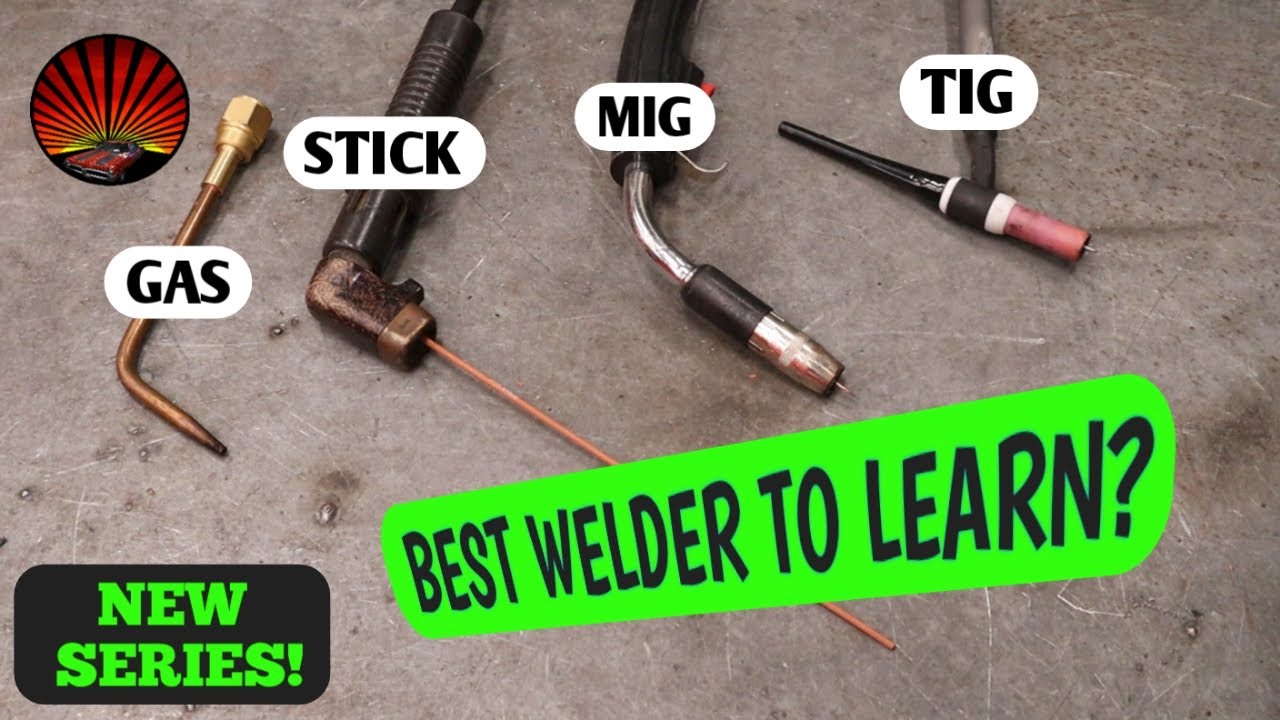
Here’s a real-world example: Automotive repairs often use TIG for exhaust pipes and body panels, because those need neat, thin welds. Farm equipment repair uses Stick welding, since parts are thick and sometimes dirty.
Credit: www.youtube.com
Pros And Cons Of Tig Welding
Advantages:
- Clean welds: Little to no spatter, minimal cleanup
- Precision: Ideal for thin metals and delicate work
- Versatility: Works on a wide range of metals
Disadvantages:
- Slow speed: TIG is slower than Stick
- Sensitive to contamination: Dirt or oil can ruin welds
- Skill required: Harder to learn for beginners
Pros And Cons Of Stick Welding
Advantages:
- Works anywhere: No need for gas, handles wind and rain
- Handles dirty metals: No need for perfect surface preparation
- Simple equipment: Easy to carry and set up
Disadvantages:
- More spatter: Requires cleanup after welding
- Limited to certain metals: Not great for aluminum or magnesium
- Less precise: Not ideal for thin materials
Common Mistakes Beginners Make
Many new welders face these issues:
- Wrong electrode or filler: Using the wrong material can cause weak welds or cracks.
- Poor surface prep: Even Stick welding works better with a brushed surface. Oil, paint, or rust can cause defects.
- Incorrect settings: Amperage and voltage must match the metal and thickness. Always check the manual.
- Bad angle: Holding the torch or stick at the wrong angle leads to uneven welds.
A non-obvious insight: TIG welding’s real challenge is heat control. Too much heat warps thin metal; too little leads to weak joints. Stick welding’s trick is travel speed—move too fast and the weld is thin, too slow and it’s lumpy.
Safety Tips For Both Methods
- Wear proper gear: Use a welding helmet, gloves, and fire-resistant clothing.
- Ventilation: Welding produces fumes. Work in a well-ventilated area or use exhaust fans.
- Eye protection: TIG emits strong UV light. Stick produces flying sparks. Protect your eyes at all times.
Another insight: TIG welding produces less visible sparks, but the UV light is stronger. Never skip eye protection, even if it looks safe.
Credit: www.ladiesoffroadnetwork.com
Cost Comparison
Here’s a quick look at typical costs for each method:
| Equipment | TIG Welding | Stick Welding |
|---|---|---|
| Welder Price | $800–$2,500 | $200–$800 |
| Consumables | Gas & rods | Electrodes |
| Maintenance | Higher | Lower |
Practical Tips For Beginners
- Try Stick welding first if you’re learning. It’s more forgiving and cheaper.
- For projects needing clean, visible welds, practice TIG after mastering basics.
- Don’t rush. Good welds come from patience and careful setup.
If you want more technical details, check Wikipedia for deeper information.
Credit: www.youtube.com
Frequently Asked Questions
What Is The Main Difference Between Tig And Stick Welding?
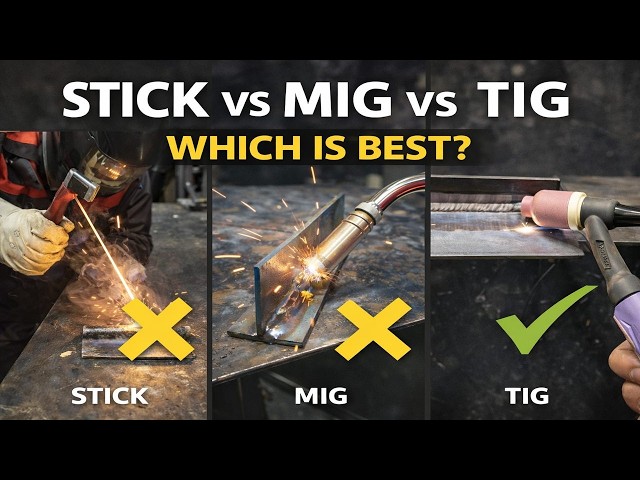
TIG welding uses a tungsten electrode and inert gas for clean, precise welds. Stick welding uses a consumable electrode with flux, making it better for dirty or outdoor conditions.
Can Tig Weld Outdoors?
No. TIG welding is sensitive to wind and contamination. The shielding gas can blow away, causing weak welds. Stick welding works much better outside.
Is Stick Welding Stronger Than Tig?
Both can create strong welds. Stick is usually better for thick, structural steel. TIG is best for thin metals and decorative joints. Strength depends on technique, not just the method.
Which Is Easier For Beginners?
Stick welding is easier to learn. TIG requires more skill and coordination. Most beginners start with Stick and move to TIG later.
What Metals Can Tig And Stick Welding Handle?
TIG works on aluminum, stainless steel, magnesium, and more. Stick welding is best for carbon steel, cast iron, and some alloys. TIG is more versatile for specialty metals.
Choosing TIG or Stick welding depends on your project, skill, and budget. Both methods are valuable, and knowing their strengths helps you make the right choice. With practice, you’ll find which fits your needs best.