
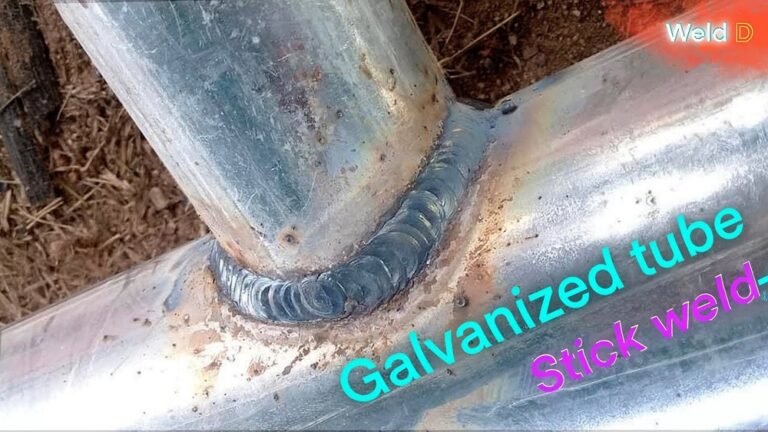
Welding is a key skill in metalworking, but not all metals behave the same. One question many people ask is: Can you weld galvanized steel? If you’re new to welding or working with different materials, understanding the risks and requirements is important. Galvanized steel has a protective zinc coating, which gives it resistance against rust. However, this same coating also creates special challenges when welding. In this article, you’ll discover if it’s possible, what you need to know, and how to do it safely.
What Is Galvanized Steel?
Galvanized steel is regular steel coated with a thin layer of zinc. This process, called galvanization, protects the steel from corrosion and extends its life. The zinc acts as a shield, stopping water and air from reaching the steel surface. This makes galvanized steel common in outdoor structures, fences, and building frames.
The zinc coating usually ranges from 5 to 25 microns thick, depending on the method used. Hot-dip galvanization is the most common, but there are also electro-galvanized and spray methods.
Can You Weld Galvanized Steel?
Yes, you can weld galvanized steel, but it’s not as simple as welding plain steel. The zinc coating creates several problems:
- Toxic fumes: When heated, zinc turns into a vapor and produces zinc oxide fumes. Breathing these can cause metal fume fever, with symptoms like headache, nausea, and chest pain.
- Poor weld quality: The zinc can cause porosity (holes) in the weld, weaken the joint, and create extra spatter.
- Difficulty in bonding: Zinc can interfere with the welding process, making it harder for the weld to stick.
Despite these risks, galvanized steel is welded in many industries. You just need the right preparation and safety steps.
Credit: universalgalvanizing.com
Preparing Galvanized Steel For Welding
Before welding, it’s best to remove the zinc coating in the weld area. Here’s how:
- Grinding: Use a grinder or wire brush to strip off the zinc. Clean at least 2 inches around the weld zone.
- Chemical removal: Apply a suitable acid or chemical remover, then rinse thoroughly.
- Edge preparation: If welding edges, bevel or grind them for better penetration.
After cleaning, wipe the area with a dry cloth to remove dust. This reduces fumes and improves weld quality. If you don’t remove the coating, you must use extra ventilation and protective gear.
Welding Methods For Galvanized Steel
Different welding methods are used for galvanized steel. The most common are:
| Method | Advantages | Challenges |
|---|---|---|
| MIG (GMAW) | Fast, clean, easy for thin steel | Needs good ventilation, zinc removal |
| TIG (GTAW) | Precise, low spatter, strong joints | Slower, more prep required |
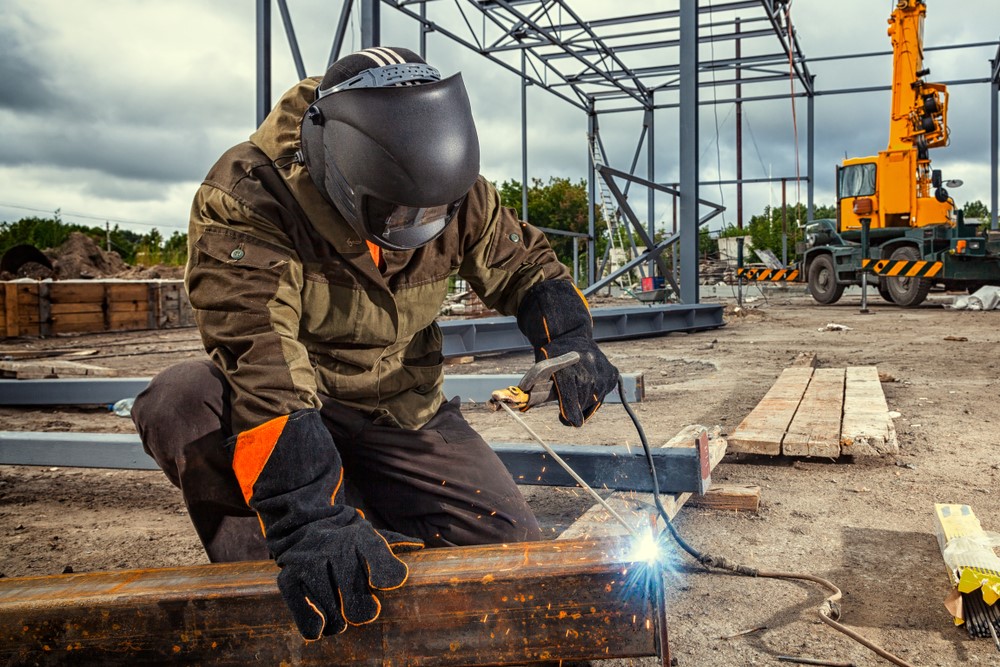
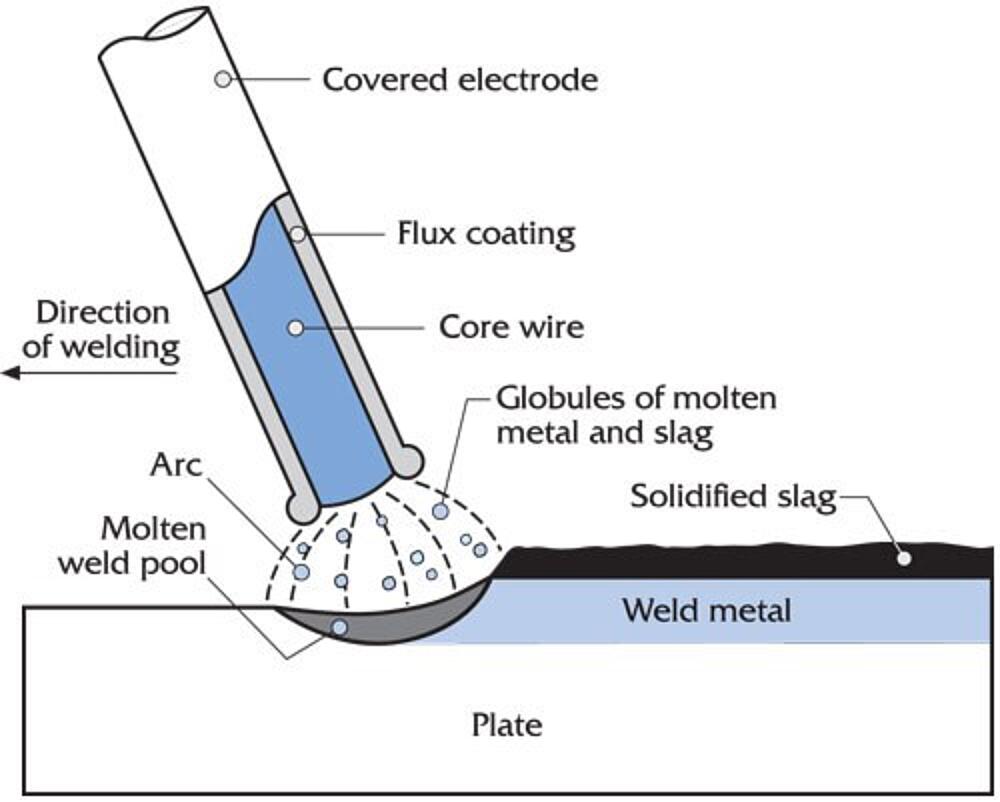
| Stick (SMAW) | Works outdoors, handles thicker steel | More fumes, rougher finish |
MIG welding is popular for galvanized sheet metal, while stick welding is used for structural pieces. TIG gives the best finish but is slower.
Safety Risks And How To Reduce Them
Welding galvanized steel is dangerous if you don’t take precautions. The main risks are zinc fumes, which can cause serious health issues.
- Ventilation: Always weld in a well-ventilated space. Use exhaust fans or fume extractors.
- Respirators: Wear a NIOSH-approved respirator to filter out fumes.
- Protective clothing: Cover your skin with gloves, jackets, and welding helmets.
- Fume fever: If you feel symptoms, leave the area, drink water, and seek medical help if needed.
One insight many beginners miss: Even small welds on galvanized steel can produce enough fumes to be dangerous. Never skip safety gear, even for quick repairs.
Welding Quality: What To Expect
Welds on galvanized steel can be strong if done properly, but they often need extra finishing. Porosity and spatter are common, so you may need to grind or polish the weld.
Here’s a comparison of weld quality between plain and galvanized steel:
| Property | Plain Steel Weld | Galvanized Steel Weld |
|---|---|---|
| Strength | High | Medium to High |
| Porosity | Low | High (if zinc not removed) |
| Spatter | Low | Medium to High |
| Corrosion Resistance | Low | High (if zinc layer restored) |
If you weld without removing the zinc, the joint may be weaker and prone to corrosion. After welding, you can restore the zinc layer with cold galvanizing spray for protection.
Credit: galvanizeit.org
Practical Tips For Better Results
- Remove zinc before welding for stronger, cleaner welds.
- Use short welds to limit heat and reduce fume production.
- Clean the area after welding and apply a zinc-rich paint or spray.
- Never weld in a closed space without proper ventilation.
- Inspect welds for porosity and cracks. Grind and polish as needed.
Many beginners forget to restore the zinc layer after welding. This leaves the joint exposed and can cause fast rusting. Always finish by sealing the weld area.
Common Mistakes To Avoid
- Welding without removing the zinc coating.
- Ignoring safety gear and ventilation.
- Using the wrong welding method for the steel thickness.
- Failing to restore the zinc protection after welding.
- Rushing the prep and cleanup steps.
Taking shortcuts with galvanized steel often leads to weak joints, bad appearance, and health risks.
Credit: www.reddit.com
Frequently Asked Questions
Can You Weld Galvanized Steel Without Removing The Zinc?
You can, but it’s risky. Zinc fumes are toxic, and the weld will be weaker and more porous. Always try to remove the coating first.
What Happens If You Inhale Zinc Fumes?
Breathing zinc oxide fumes can cause metal fume fever. Symptoms include chills, fever, and aches. It usually passes in 24-48 hours, but repeated exposure is dangerous.
Which Welding Method Is Best For Galvanized Steel?
MIG and TIG are preferred for cleaner, stronger welds. Stick welding works for thicker pieces but produces more fumes.
How Do You Restore The Zinc Layer After Welding?
Use cold galvanizing spray or zinc-rich paint to cover the weld area. This protects against rust and corrosion.
Is Welding Galvanized Steel Allowed In Construction?
Yes, but strict safety and quality standards must be followed. Always check local codes and guidelines for structural work. For more details, see Wikipedia.
Welding galvanized steel is possible and common in many industries, but it demands careful preparation and strict safety. Remove the zinc layer, use the right method, and always protect yourself. With these tips, you can handle galvanized steel confidently and achieve strong, lasting welds.