
Flux core welding is a popular method for joining metal, especially among beginners. It’s known for being easy to learn, affordable, and effective on outdoor projects. If you want to start welding but feel unsure about where to begin, flux core welding could be your best choice.
Let’s explore how this process works, what you need, and practical tips for your first welds.
What Is Flux Core Welding?
Flux core welding, often called FCAW (Flux-Cored Arc Welding), uses a special wire with flux inside. As the wire melts, the flux creates a gas cloud that protects the weld from the air. Unlike MIG welding, which needs a separate gas tank, flux core works without extra shielding gas. This makes it perfect for working outside or in windy places.
Many beginners choose flux core because:
- It’s simple to set up.
- You can weld on rusty or dirty metal.
- It handles thicker metals better than some other methods.
Essential Equipment For Beginners
Before you start, you need some basic tools and safety gear. Here’s what’s required for flux core welding:
- Flux core wire welder – Most entry-level machines cost between $100–$300.
- Flux-cored wire – Common sizes are 0.030″ and 0.035″.
- Welding helmet – Auto-darkening helmets make learning easier.
- Protective clothing – Wear a jacket, gloves, and closed shoes.
- Wire brush or grinder – For cleaning metal before and after welding.
Here’s a simple comparison between flux core and MIG setups:
| Feature | Flux Core | MIG |
|---|---|---|
| Shielding Gas | Not Needed | Required |
| Outdoor Use | Excellent | Poor |
| Metal Thickness | Good for thick | Better for thin |
| Setup Cost | Lower | Higher |
How Flux Core Welding Works
The process is simple:
- The welder feeds flux-cored wire into the weld area.
- Electric current melts the wire and the metal.
- The flux inside the wire creates a protective cloud.
- As the weld cools, a layer called slag forms, which you remove later.
Flux core welding works well on steel. It’s not ideal for aluminum or very thin metals. Most home welders use a 110V or 120V machine, which can handle projects like fences, brackets, and small repairs.
Step-by-step Welding Guide
- Clean the metal: Use a wire brush to remove rust and paint. Clean surfaces help the weld stick.
- Set your machine: Choose the right wire speed and voltage based on the metal’s thickness. Check your welder’s chart or manual.
- Insert the wire: Load the flux-cored wire into the machine.
- Put on safety gear: Always wear your helmet and gloves.
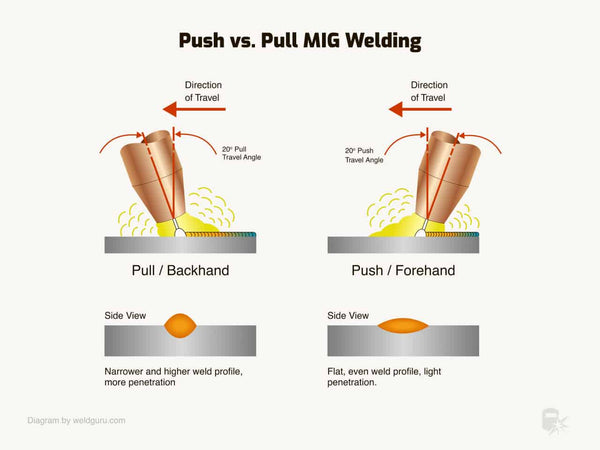
- Start welding: Hold the gun at a 10–15 degree angle. Move slowly, like drawing with a marker.
- Check the weld: After the bead cools, chip away the slag to see your work.
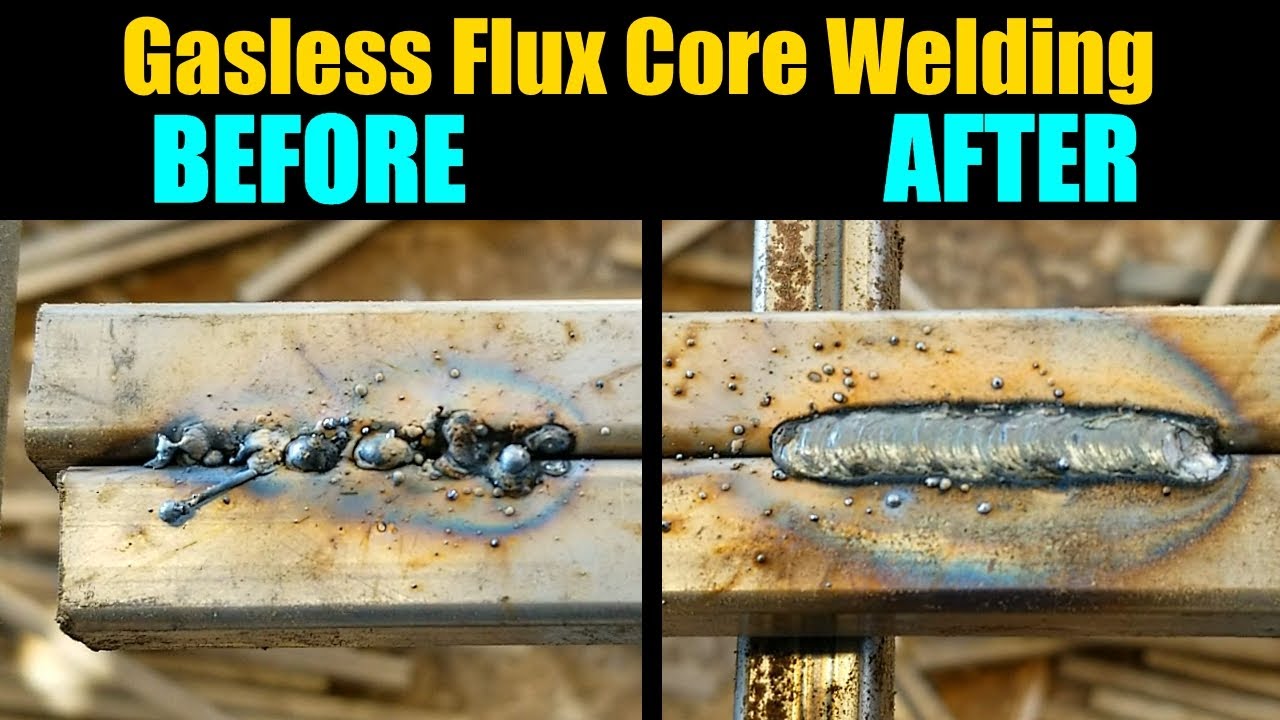
Many beginners make the mistake of moving too fast or holding the gun too far from the metal. A steady hand gives cleaner welds.
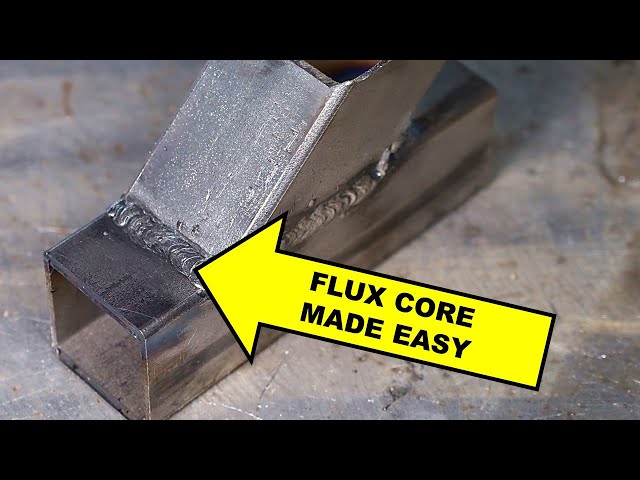
Credit: www.youtube.com
Common Mistakes And How To Avoid Them
- Poor surface preparation – Dirty metal leads to weak welds.
- Wrong wire speed – Too fast causes spatter; too slow creates uneven beads.
- Bad angle – Keeping the gun too straight or too angled can cause problems.
- Skipping safety – Not wearing proper gear increases injury risk.
Here’s a quick comparison of common errors:
| Mistake | Result | How to Fix |
|---|---|---|
| Dirty Metal | Weak Weld | Brush or grind before welding |
| Too Fast | Spatter, thin weld | Slow your movement |
| Wrong Angle | Porosity, uneven bead | Hold at 10–15 degrees |
Tips For Better Results
- Practice on scrap metal before starting your real project.
- Adjust settings for each metal type; even small changes help.
- Watch the weld pool, not the gun tip.
- Remove the slag gently to avoid damaging the weld.
- Take breaks if your hand feels tired.
A less obvious tip: Try welding at different speeds to see how the bead changes. Beginners often miss that slower movement can make a stronger, cleaner weld, especially on thicker steel.
Another insight: Use the sound as a guide. A steady, crackling sound (like frying bacon) means your settings are close to ideal. If it pops or hisses, adjust wire speed or voltage.
Safety Advice
Flux core welding produces hot sparks, smoke, and UV light. Protect yourself by:
- Wearing a helmet with the right shade.
- Using flame-resistant clothes.
- Keeping your work area clean and ventilated.
Even short welds can cause burns or eye injuries. Never weld near flammable materials.
Choosing The Right Wire And Machine
For most beginners, 0.030″ or 0.035″ flux-cored wire is best. Thicker wire suits heavy steel, while thinner wire works on sheet metal. Check your machine’s manual for recommended wire types.
If you plan to weld for more than a few hours per week, invest in a welder with adjustable settings. Entry-level machines can handle most home projects, but more advanced units offer smoother control.
| Welder Type | Best For | Price Range |
|---|---|---|
| Basic 110V | Small repairs | $100–$250 |
| Advanced 220V | Heavy projects | $300–$700 |
Credit: yeswelder.com
Where To Learn More
Many welders start with online guides and videos. Some local hardware stores offer beginner classes. Reading manuals and practicing often are key. For deeper knowledge, the American Welding Society provides trusted resources.
Frequently Asked Questions
What Metals Can I Weld With Flux Core?
Steel is the most common. Flux core works poorly on aluminum and very thin metals.
Is Flux Core Welding Safe For Beginners?
Yes, if you use proper safety gear and follow instructions. Always wear a helmet and gloves.
How Do I Remove Slag After Welding?
Let the weld cool, then use a chipping hammer or wire brush to clean the slag off.
Can I Use Flux Core Welding Outside?
Yes. The process is perfect for outdoor projects because the flux shields the weld from wind.
What’s The Difference Between Flux Core And Mig Welding?
Flux core uses a wire with flux inside and doesn’t need a separate gas tank. MIG welding needs shielding gas and works better indoors.
Flux core welding gives beginners a solid start in metalworking. With simple tools and practice, you’ll quickly gain confidence and skill. Remember, safety comes first. Take your time, learn from mistakes, and enjoy the satisfaction of joining metal with your own hands.
Credit: www.youtube.com