Stick Welding Vertical Up: Tips, Techniques, And Common Mistakes
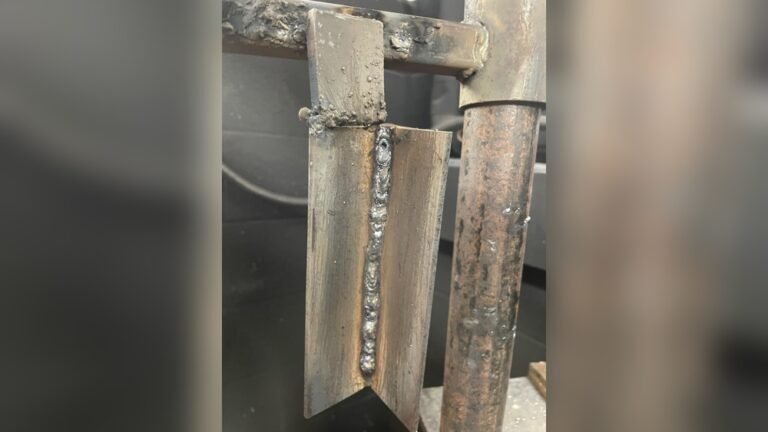
Stick welding, also known as Shielded Metal Arc Welding (SMAW), is one of the most popular welding methods worldwide. When it comes to welding in the vertical position, especially vertical up (welding upward), many welders—both beginners and experienced—face unique challenges. Mastering vertical up stick welding is important for strong, clean welds on structures like beams, columns, and pipelines. This guide will help you understand the right techniques, avoid common mistakes, and improve your vertical up stick welding results.
What Makes Vertical Up Stick Welding Challenging?
Welding in the vertical up position means moving the electrode upward against gravity. This position is much harder than flat or horizontal welding because:
- Gravity pulls the molten metal down, making it hard to control the weld pool.
- It’s easier to get sagging, dripping, or undercutting.
- Proper technique and settings are more critical to avoid poor welds.
Understanding these challenges is the first step to improving your skills.
Choosing The Right Electrode And Settings
The electrode you choose and your machine settings are key for successful vertical up stick welding.
| Electrode Type | Typical Size (inches) | Recommended Amperage | Best Use |
|---|---|---|---|
| 6010 | 1/8 | 75-125 | Deep penetration, pipe welding |
| 7018 | 3/32 or 1/8 | 80-130 | Structural, smooth bead, easy slag removal |
| 6011 | 1/8 | 75-125 | Dirty/rusty metals, general repair |
Tips for electrode selection:
- Use 7018 for clean, structural welds.
- 6010 is great for root passes and deep penetration.
- Go for smaller diameter rods (like 3/32 inch) for better control.
Machine settings:
- Set amperage on the lower end of the electrode’s range.
- Too much heat makes the puddle runny and hard to control.
- Always test on scrap metal before starting your main weld.
Credit: yeswelder.com
Essential Techniques For Vertical Up Stick Welding
A strong vertical up weld is all about control. Here are proven techniques that make a real difference:
Correct Electrode Angle
- Hold the electrode at a 5-15 degree angle upward (tip pointing up, not straight in).
- Slightly tilt the top of the electrode away from the direction you’re welding.
Travel Speed And Motion
- Move slowly and steadily, letting the weld pool cool slightly as you go.
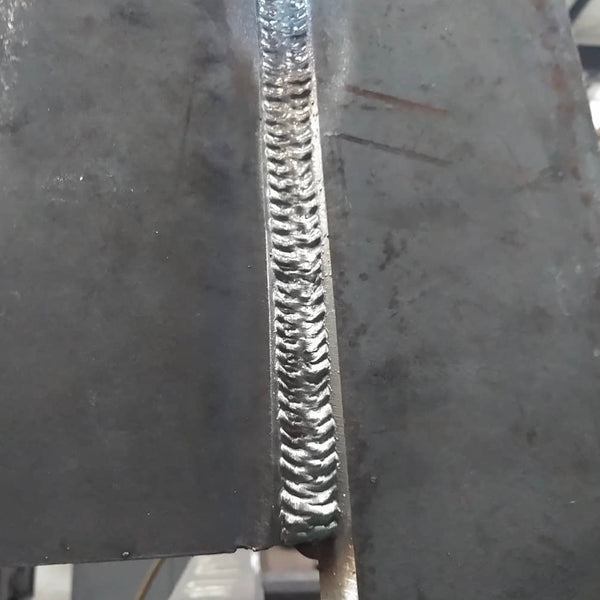
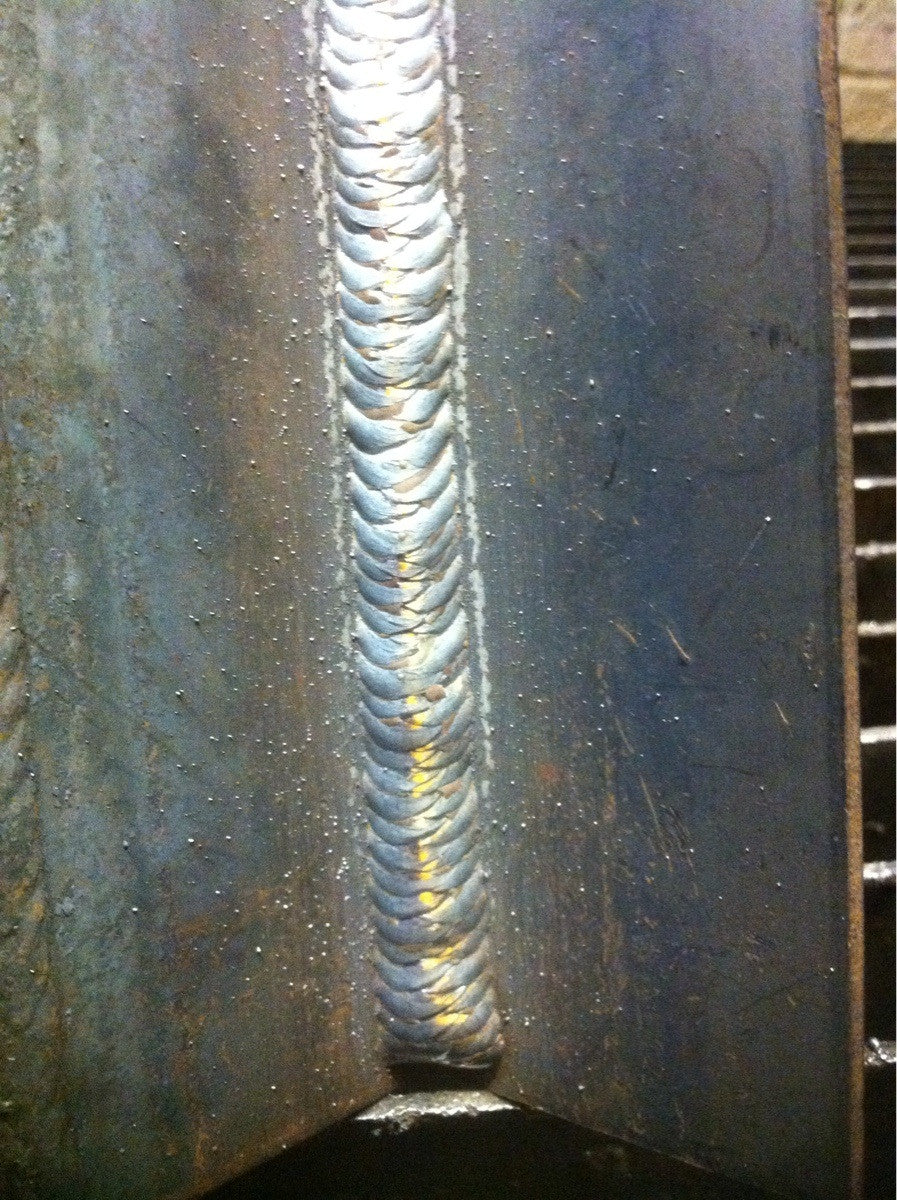
- Use the “Z-weave” or “Christmas tree” motion: Move side-to-side, then upward, creating a zigzag pattern.
- Pause briefly at the sides to ensure good tie-in to the edges.
Arc Length
- Keep a short arc—about the thickness of the electrode coating.
- Too long an arc leads to more spatter and weak welds.
Bead Size
- Aim for a narrow bead to avoid sagging.
- Make multiple passes if the joint is thick.
Here’s a quick comparison of common weaving patterns:
| Pattern Name | Motion | Best For |
|---|---|---|
| Stringer | Straight upward | Thin metals, root pass |
| Z-Weave | Zigzag, pausing at sides | Medium/thick joints, filling gaps |
| Triangle | Triangle-shaped, with pauses | Wide joints, strong tie-in |
Common Mistakes And How To Avoid Them
Even experienced welders can struggle with vertical up stick welding. Watch out for these mistakes:
- Too High Amperage: Makes the weld pool too fluid. Lower your setting for better control.
- Long Arc: Causes spatter and weakens the weld. Keep the arc tight.
- Moving Too Fast: Leads to poor fusion and thin beads. Slow down and let the puddle freeze.
- Poor Electrode Angle: Wrong angle causes undercutting or lack of penetration. Practice holding the rod correctly.
- Skipping Side Pauses: Not pausing at the sides can leave the weld edges weak.
A non-obvious tip: Cleanliness matters more than you think. Even a little oil or rust can cause problems in vertical welding. Clean your joint thoroughly for better results.
Credit: bakersgas.com
Practical Tips From Experienced Welders
- Start with practice joints on scrap metal before working on important projects.
- Use tack welds at the top and bottom to keep pieces from moving.
- Watch the weld pool reflection in your helmet lens—it tells you if the metal is flowing right.
- If you see slag inclusions, slow down and pause longer at the edges.
- For thick metal, make multiple passes: Root, fill, and cap.
Most beginners miss how quickly the weld pool can get away from you in vertical up. Don’t be afraid to stop, chip slag, and inspect your progress before continuing.
Safety Precautions
Stick welding produces heat, sparks, and fumes. Always:
- Wear a welding helmet with the right shade.
- Use fire-resistant gloves and clothing.
- Keep a fire extinguisher nearby.
- Work in a well-ventilated area to avoid inhaling fumes.
When To Use Vertical Up Stick Welding
Vertical up stick welding is ideal for:
- Structural steel in building construction
- Pipe welding where the joint cannot be rotated
- Repair work on vertical surfaces
It’s often required in fieldwork where moving the piece is impossible.
Welding Vertical Up Vs. Vertical Down
There’s often confusion between vertical up and vertical down welding. Here’s a simple comparison:
| Feature | Vertical Up | Vertical Down |
|---|---|---|
| Direction | Weld upward | Weld downward |
| Best For | Thicker material, structural strength | Thin sheet metal, speed |
| Strength | Higher | Lower |
| Difficulty | Harder | Easier |

Credit: weldmongerstore.com
Frequently Asked Questions
What Amperage Should I Use For Vertical Up Stick Welding?
For most 1/8” 7018 rods, set your welder between 80-110 amps. Go lower for thinner metal or if you notice too much sag.
Why Does My Weld Sag Or Drip When Welding Vertical Up?
This usually means your amperage is too high or your travel speed is too slow. Lower the amperage and speed up slightly to control the puddle.
How Do I Prevent Undercutting In Vertical Up Welding?
Hold the rod at the right angle and pause at the edges during your weave. This allows the weld pool to fill the joint properly.
Can I Use Any Stick Electrode For Vertical Up Welding?
Not all rods are suitable. 7018, 6010, and 6011 are the most common for vertical up. Avoid rods designed for flat or horizontal positions.
Where Can I Learn More About Welding Positions And Techniques?
The American Welding Society offers detailed guides and certifications. For more technical info, visit the Wikipedia page on SMAW.
Mastering vertical up stick welding takes practice, patience, and the right approach. With these tips, you’ll be able to produce strong, reliable welds and avoid the most common pitfalls. Always remember: safety comes first, and every great welder was once a beginner.