Striking an arc in stick welding is a skill every welder must master. This first step decides how easily your weld starts, how stable your arc is, and the quality of the final weld. If you’re new to stick welding (also called Shielded Metal Arc Welding, or SMAW), learning to strike an arc can feel tricky.
But with clear steps, good technique, and a bit of patience, you’ll quickly improve your results and confidence.
What Does It Mean To Strike An Arc?
When you strike an arc, you create an electrical path between your electrode and the metal you want to weld. This electrical spark melts both the electrode tip and the base metal, letting you join pieces together. The process is similar to striking a match—done right, you get a clean, steady flame (or in this case, an arc). Done wrong, you get nothing, or the rod sticks to your work.
Tools And Safety Gear Needed
Before you begin, make sure you have the right stick welding equipment:
- Welding machine (AC or DC)
- Ground clamp
- Electrode holder
- Welding electrodes (choose the correct type and size for your job)
- Safety gear: Helmet with proper shade, gloves, fire-resistant jacket, safety boots, and safety glasses
Never skip safety gear. Arc flashes can cause eye injury, and sparks can burn skin quickly. Set up your workspace in a well-ventilated area, clear of anything flammable.
Credit: www.lincolnelectric.com
Preparing To Strike An Arc
Preparation helps you avoid common problems like electrode sticking or poor arc starts. Here’s what to do before you strike:
- Clean your workpiece: Remove rust, paint, and oil from the metal. A wire brush works well.
- Set the right amperage: Check the electrode box for recommended settings. For example, a 1/8″ (3.2 mm) E6013 rod usually runs at 90–130 amps.
- Secure the ground clamp: Attach it firmly to clean, bare metal.
- Hold the electrode at the right angle: For most welds, a 15–20 degree angle from vertical is best.
Here’s a quick comparison of amperage settings for common electrodes:
| Electrode Type | Diameter | Recommended Amperage |
|---|---|---|
| E6010 | 1/8″ (3.2 mm) | 75–125 A |
| E6013 | 1/8″ (3.2 mm) | 90–130 A |
| E7018 | 1/8″ (3.2 mm) | 100–160 A |
How To Strike An Arc: Two Main Methods
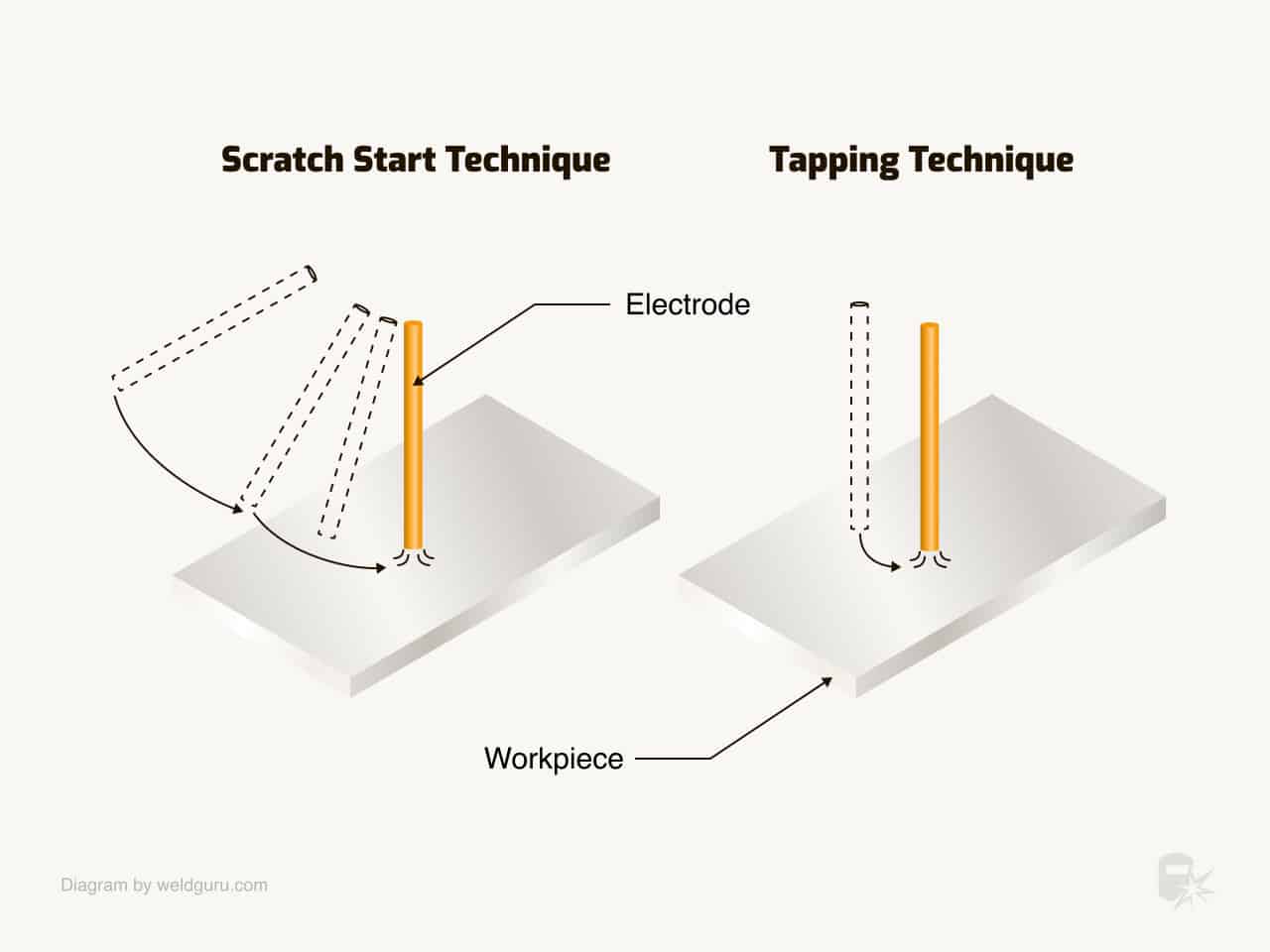
You can strike an arc using two main methods: the scratch and tap methods. Each has its pros and cons, and some electrodes work better with one technique than the other.
Scratch Method
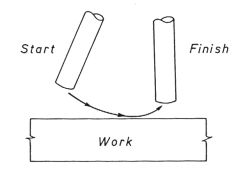
The scratch method is similar to striking a match. It’s easier for beginners and works with most electrodes.
- Hold the electrode about 1/8″ (3 mm) above your workpiece.
- Quickly drag (scratch) the tip across the surface for about 1 inch.
- As soon as the arc starts, lift the electrode slightly but keep it close enough to maintain the arc (about 1/8″ gap).
Tap Method
The tap method is fast and works well with low hydrogen electrodes like E7018.
- Hold the electrode vertical to the workpiece.
- Tap the tip down quickly, then lift it up to the correct arc gap.
- Once the arc is stable, move into your welding motion.
Here’s a quick comparison of both arc striking methods:
| Method | Best For | Pros | Cons |
|---|---|---|---|
| Scratch | Most electrodes | Easy to learn, less sticking | May leave marks or start outside weld area |
| Tap | E7018, vertical welds | Precise, quick start | Rod may stick if done slowly |
Credit: weldguru.com
Common Problems And How To Avoid Them
Many beginners run into arc striking problems. Here’s how to fix or avoid them:
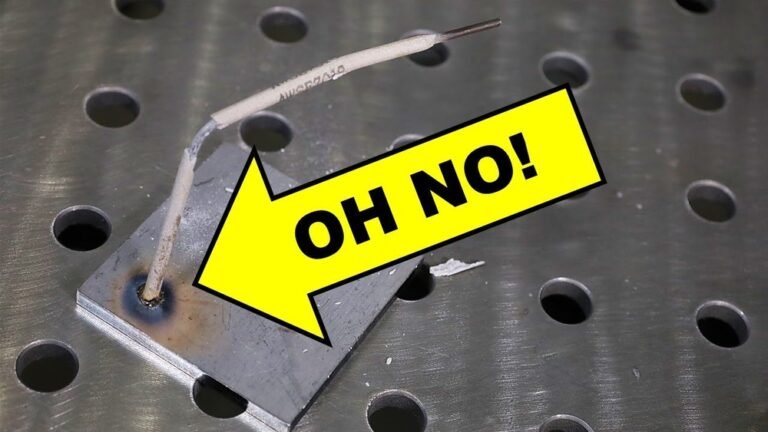
- Electrode sticks to metal: Usually from holding too close or moving too slow. If it sticks, twist the electrode slightly to break it free. If it fuses, turn off the machine before removing it.
- No arc starts: Check your ground clamp and cable connections. Also, make sure your amperage is not too low.
- Arc is unstable: This can mean dirty metal, a worn electrode, or poor technique. Clean the metal and replace electrodes as needed.
One non-obvious tip: Warm up your electrode by striking an arc briefly on scrap metal before welding on your actual piece. This burns off any moisture, which can cause sticking.
Another insight: If you keep sticking the electrode, check if your gloves are too thick or stiff. Some heavy gloves make it hard to feel the distance between the rod and metal. Try thinner welding gloves for better control.
Tips For A Successful Arc Strike
- Practice on scrap: Don’t start on your real project. Practice striking and holding a stable arc on leftover metal.
- Watch your distance: The key is keeping the gap between the electrode and metal around 1/8 inch.
- Use fresh electrodes: Old or damp rods are harder to strike.
- Listen for the sound: A good arc makes a steady “buzz” or “crackle,” not a loud pop or silence.
Here’s an example of a beginner’s practice plan:
| Day | Time Spent | Practice Focus |
|---|---|---|
| Day 1 | 30 minutes | Striking arcs only |
| Day 2 | 30 minutes | Holding a stable arc |
| Day 3 | 30 minutes | Starting/stopping arcs cleanly |

Credit: www.youtube.com
Safety Reminders
- Always wear welding helmet and gloves
- Work in a well-ventilated area
- Keep a fire extinguisher close by
- Do not touch the electrode or workpiece with bare skin during welding
For more in-depth safety guidelines, check the American Welding Society’s advice at AWS Safety Resources.
Frequently Asked Questions
How Close Should The Electrode Be To The Metal When Striking An Arc?
Keep it about 1/8 inch (3 mm) above the metal. Too close and it will stick; too far and the arc won’t start.
Why Does My Electrode Keep Sticking?
Most often, the cause is moving too slowly or using the wrong angle. Try adjusting your grip, and make sure your amperage is not too low.
Can I Strike An Arc With Dirty Metal?
You can try, but it will be much harder. Clean metal makes arc striking easier and your welds stronger.
What Is The Best Electrode For Beginners To Strike An Arc?
E6013 is popular with beginners because it’s easy to start and doesn’t stick as much as other types.
Should I Use Ac Or Dc For Stick Welding?
Both work, but DC gives smoother starts and less sticking for most electrodes. AC is fine for simple jobs or older machines.
Learning to strike an arc is a key foundation in stick welding. With the right preparation, equipment, and practice, you’ll soon strike arcs confidently and make strong, clean welds. Stay safe, stay patient, and keep practicing—every great welder started right here.