Stick Welding For Beginners
Learning stick welding is a great way to start working with metal. This welding method, also known as Shielded Metal Arc Welding (SMAW), is popular for its simplicity, portability, and low cost. If you want to repair a gate, build a trailer, or fix farm equipment, stick welding is a practical skill. This guide will walk you through the basics, give you clear steps, and help you avoid common mistakes.
What Is Stick Welding?
Stick welding uses a welding machine, an electrode holder, and a metal rod (called an electrode or “stick”). When you strike the electrode against the metal, it creates an electric arc. This arc melts both the rod and the base metal, joining them together. The rod is coated with flux, which creates a protective gas and slag layer to keep the weld clean from air.
Stick welding is one of the oldest welding processes. It works on steel, stainless steel, and cast iron. It can be used indoors or outside, and even in windy conditions, where other welding types might fail.
Essential Equipment And Safety Gear
Before you start, make sure you have the right tools and safety equipment. Here’s what you need:
- Stick welder (SMAW machine)
- Electrode holder and leads
- Ground clamp
- Welding electrodes (commonly E6011, E6013, or E7018)
- Welding helmet with proper shade (10-13)
- Gloves (heavy-duty, flame-resistant)
- Protective clothing (long sleeves, pants, no synthetic fabrics)
- Safety glasses
- Wire brush and chipping hammer
- Fire extinguisher
Never skip safety gear. The arc is bright and can burn your eyes and skin. Sparks and hot slag can cause injuries or fires.
Basic Steps To Stick Welding
Starting with stick welding is straightforward, but mastering it takes practice. Here’s a step-by-step overview:
1. Prepare The Metal
Clean the surfaces with a wire brush or grinder. Remove rust, paint, or oil for a strong weld.
2. Set Up Your Welder
Connect the ground clamp to your work. Insert the electrode into the holder. Set the machine’s amperage based on electrode size (for example, 1/16″ electrodes use 40-70 amps, 1/8″ use 90-150 amps).
3. Strike The Arc
Touch the electrode to the metal, then pull it back slightly. It’s like striking a match.
4. Maintain The Arc
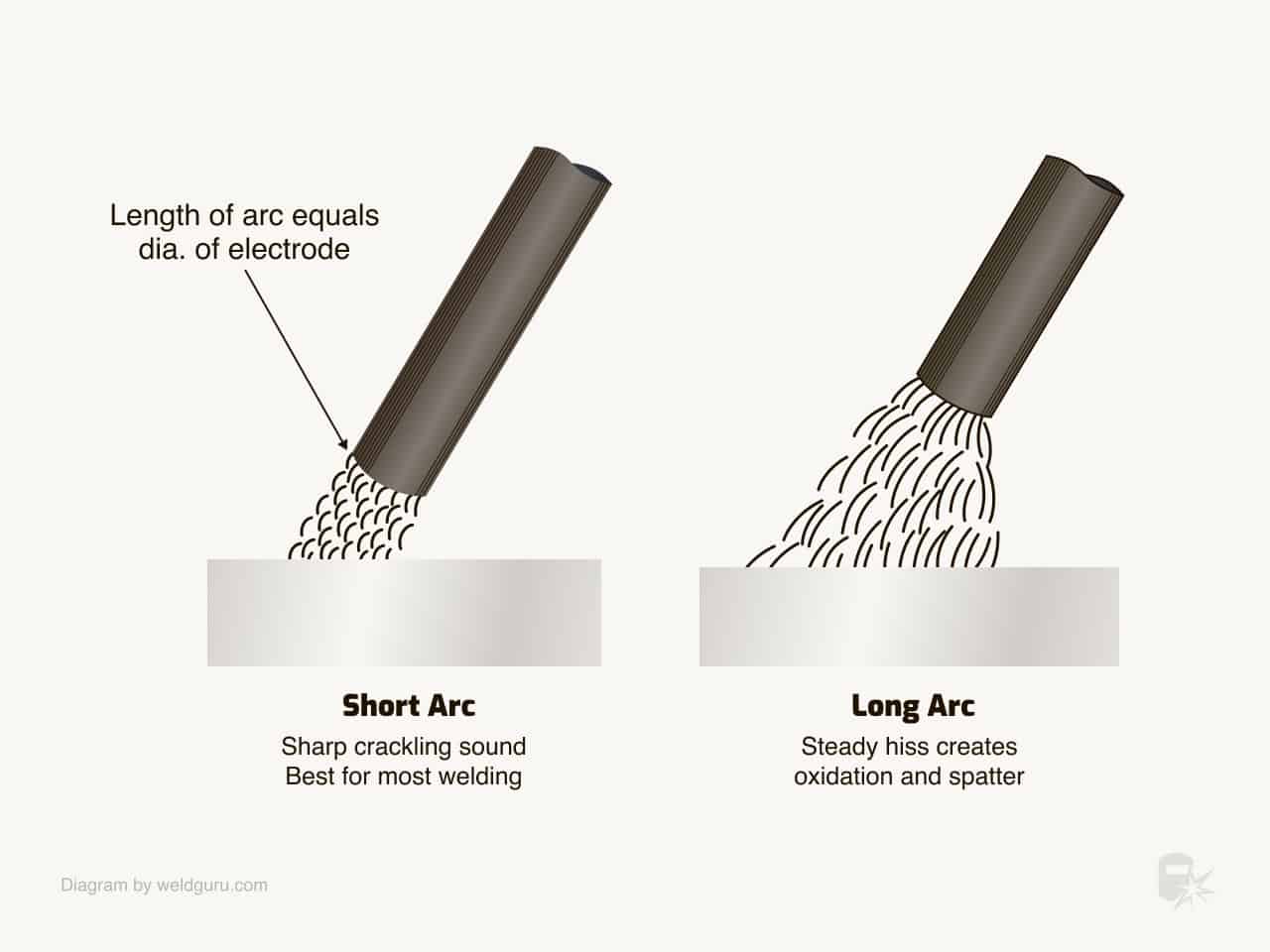
Hold the tip about 1/8″ from the metal. Move at a steady speed. Too fast, and the weld is weak; too slow, and it piles up.
5. Finish And Clean
After welding, let the joint cool. Use a chipping hammer and wire brush to remove slag.
Common Types Of Electrodes
Choosing the right electrode affects weld quality. Here’s a quick comparison:
| Electrode | Position | Strength | Best Use |
|---|---|---|---|
| E6011 | All | 60,000 psi | Dirty/rusty metal, outdoors |
| E6013 | All | 60,000 psi | Clean, thin metal |
| E7018 | All | 70,000 psi | Structural, critical welds |
For beginners, E6013 is forgiving and makes clean welds. E7018 gives strong welds but needs dry storage.
Credit: weldguru.com
Stick Welding Vs. Other Welding Methods
Stick welding is not the only welding process. Here’s a simple comparison with two other common methods:
| Method | Materials | Portability | Skill Level | Cost |
|---|---|---|---|---|
| Stick (SMAW) | Steel, iron | High | Moderate | Low |
| MIG (GMAW) | Steel, aluminum | Medium | Easy | Medium |
| TIG (GTAW) | All metals | Low | Hard | High |
Stick welding stands out for field repairs and heavy-duty work. It’s not as neat as TIG, but much less expensive.
Practical Tips For Better Stick Welding
Many beginners struggle with their first welds. These tips will help you get better results:
- Hold a steady hand: Rest your hands on the work for control.
- Watch your travel speed: Moving too quickly makes weak, narrow welds.
- Keep rod angle consistent: About 15° from vertical is best.
- Listen to the arc: A steady “crackling” sound means good settings.
- Practice “beads”: Run straight lines on scrap metal before real projects.
A non-obvious insight: humidity can ruin electrodes, especially E7018. Store rods in a dry box to avoid poor welds.
Another tip: learning to read the weld pool helps you see if you’re going too fast or slow. The pool should be smooth and even.

Credit: www.youtube.com
Common Mistakes And How To Avoid Them
New welders often:
- Use dirty metal: Always clean surfaces well.
- Choose wrong settings: Match amperage to electrode size.
- Let the arc go out: Practice keeping the arc steady.
- Ignore safety: Always wear full protection.
Don’t get discouraged by ugly welds at first. Improving takes time. Focus on technique, not just appearance.
What Projects Can You Weld?
Stick welding is versatile. Here are some simple beginner projects:
- Repairing gates or fences
- Making a metal workbench
- Building a small trailer frame
- Fixing garden tools
These projects use basic joints and straight lines, making them ideal for practice.
Is Certification Needed?
In the US, hobby welders do not need certification. For jobs in construction or pipelines, you’ll need to pass a welding test. Many community colleges and trade schools offer short courses and practice labs.
For more in-depth learning, check the American Welding Society at aws.org.
Frequently Asked Questions
What Metals Can I Weld With Stick Welding?
Stick welding works best with steel, stainless steel, and cast iron. It’s not recommended for aluminum or thin sheet metal.
Why Does My Electrode Keep Sticking To The Metal?
This usually means your amperage is too low or your metal isn’t clean. Try increasing amperage or cleaning the weld area.
How Do I Remove The Slag After Welding?
Use a chipping hammer to knock off slag, then a wire brush for cleaning. Always wear eye protection, as pieces can fly off.
What Is The Best Electrode For Beginners?
E6013 is a good starting rod. It’s easy to use and makes a smooth weld, even for new welders.
Can I Weld Outside In The Wind?
Yes. Stick welding’s flux coating makes it suitable for outdoor use, even in windy conditions.
Learning stick welding opens up many repair and DIY possibilities. Start with small projects, focus on safety, and practice often. With patience, your skills will grow, and you’ll be ready for more advanced welding challenges.

Credit: yeswelder.com