
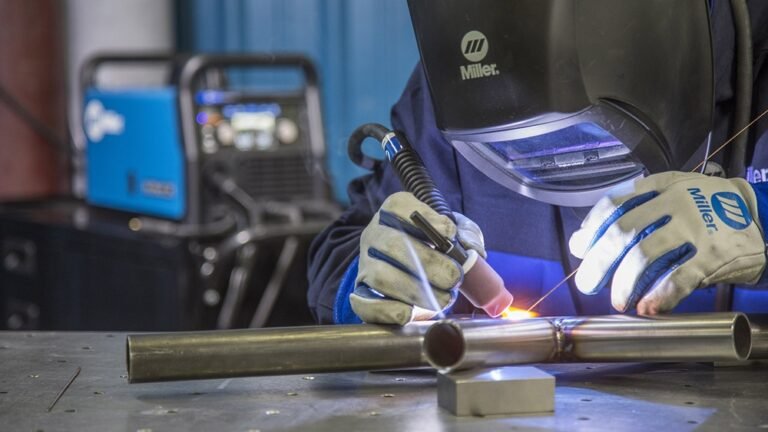
TIG welding is a method that attracts both hobbyists and professionals. It is known for its precision and clean results. But what exactly is TIG welding, and why is it so popular in industries like aerospace, automotive, and art? This article explains what TIG welding is, how it works, and why it stands out from other welding methods.
Whether you’re new to welding or curious about advanced techniques, you’ll find clear answers here.
What Is Tig Welding?
TIG welding stands for Tungsten Inert Gas welding. The technical name is Gas Tungsten Arc Welding (GTAW). In TIG welding, a welder uses a tungsten electrode to create an arc. This arc melts the metal, and sometimes a filler rod is added. An inert gas, usually argon, protects the weld from contamination.
Unlike simpler methods, TIG welding gives more control over the welding process. The welder can adjust heat, add filler metal by hand, and make detailed welds. This is why TIG welding is often used for thin materials, stainless steel, aluminum, and projects needing a neat finish.
How Tig Welding Works
The process starts with the welder holding a torch with a tungsten electrode. The torch connects to a power source. When the welder presses the pedal, an electric arc forms between the tungsten and the metal piece. The argon gas flows out, protecting the weld area from air.
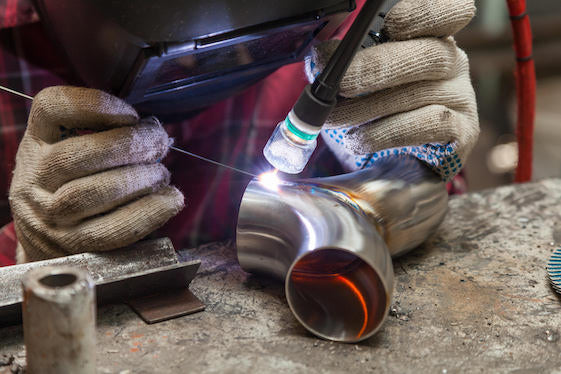
The welder may use a filler rod, held in the other hand. TIG welding requires steady hands and good coordination. The arc melts the base metal and, if needed, the filler rod. The result is a smooth, strong weld.
Key Components
Here are the main parts of a TIG welding setup:
- Tungsten electrode: Lasts longer and withstands high heat.
- Welding torch: Holds the electrode and directs gas.
- Power supply: Provides the current (AC or DC).
- Inert shielding gas: Usually argon, sometimes helium.
- Filler rod: Optional, used for thicker materials.
TIG welding can use both AC and DC power. AC is best for aluminum, while DC is used for steel and stainless steel.
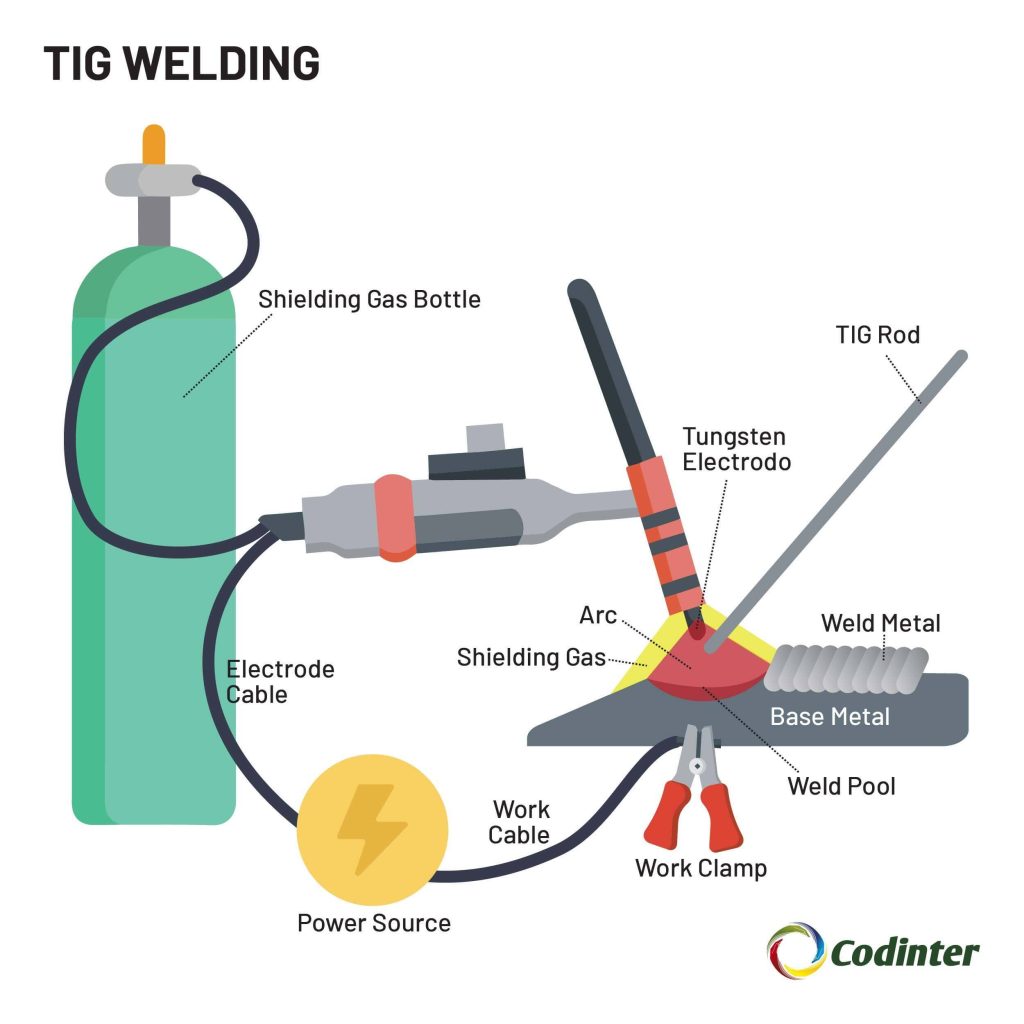
Credit: www.codinter.com
Tig Welding Vs Other Methods
TIG welding is often compared to MIG welding and stick welding. Each method has strengths and weaknesses.
Here’s a quick comparison:
| Method | Main Use | Control | Cleanliness | Skill Level |
|---|---|---|---|---|
| TIG Welding | Precision, thin metals | High | Very Clean | Advanced |
| MIG Welding | General fabrication | Medium | Moderate | Beginner to Intermediate |
| Stick Welding | Outdoor, thick metals | Low | Messy | Beginner |
TIG welding is slower but gives the best-looking welds. MIG is faster and easier for beginners. Stick welding works well outdoors and on rusty surfaces.
Tig Welding Materials
Not all metals are easy to TIG weld. Here’s a look at common choices:
| Metal Type | Ease of TIG Welding | Common Use |
|---|---|---|
| Aluminum | Moderate | Aerospace, automotive |
| Stainless Steel | Easy | Food industry, piping |
| Carbon Steel | Easy | Construction |
| Magnesium | Difficult | Specialty parts |
| Copper | Challenging | Electrical |
Stainless steel and carbon steel are most common. Aluminum needs more skill because it requires AC current and reacts quickly to heat.
Advantages And Disadvantages
TIG welding has many benefits but also some downsides.
Advantages
- Precise control: The welder adjusts heat and filler, allowing detailed work.
- Clean welds: No slag or spatter, so finishing is easier.
- Versatile: Works on many metals and thin materials.
- Strong joints: Produces high-quality, reliable welds.
Disadvantages
- Slow process: TIG welding takes more time.
- Higher skill needed: Requires practice and steady hands.
- Equipment cost: TIG machines are more expensive.
- Sensitive to contamination: Clean surfaces are a must.
Many beginners overlook the need for extremely clean surfaces. Even small amounts of oil or rust can ruin a TIG weld. Another common mistake is not matching the filler rod to the base metal. This can cause weak joints.
Credit: primeweld.com
Tig Welding Safety
Safety is vital in TIG welding. The electric arc is very bright and hot. Welders must wear a helmet with a dark lens, gloves, and protective clothing. The argon gas is safe but can cause suffocation in closed spaces.
TIG welding produces less smoke than stick welding, but UV light can burn skin and eyes. Always keep the workspace well-ventilated and use proper gear.
Practical Tips For Beginners
If you’re starting TIG welding, here are some helpful tips:
- Practice steady hand movement: The torch and filler rod must move smoothly.
- Keep surfaces clean: Use a wire brush or grinder before welding.
- Start with steel: Stainless steel is easier than aluminum.
- Adjust amperage: Too much heat will burn through; too little won’t melt the metal.
- Watch the gas flow: Too much argon wastes gas, too little leaves the weld unprotected.
Many beginners try to weld aluminum first, but it’s tricky. Start with steel, master your technique, then move to more difficult metals.
Tig Welding In Real Life
TIG welding is used in many industries:
- Aerospace: Jet engine parts, thin aluminum.
- Automotive: Custom exhausts, roll cages.
- Food processing: Stainless steel pipes.
- Art and sculpture: Fine, detailed metalwork.
According to the American Welding Society, TIG welding accounts for about 5–10% of industrial welding jobs. But in high-quality manufacturing, its share is much higher.
For more technical details, you can check Wikipedia.
Frequently Asked Questions
What Makes Tig Welding Different From Mig Welding?
TIG welding uses a tungsten electrode and hand-fed filler rod. MIG welding uses a wire feed and is easier to learn. TIG is slower but produces cleaner, stronger welds.
Can Tig Welding Be Used On All Metals?
Most metals can be TIG welded, but some are harder than others. Aluminum, stainless steel, and carbon steel are common. Copper and magnesium are possible but require more skill.
Is Tig Welding Safe For Beginners?
It can be safe if you use the right gear and keep your workspace clean. Beginners should start with simple joints and learn proper safety practices.
Do You Always Need A Filler Rod In Tig Welding?
No. For thin materials, you can weld without a filler rod. But for thicker materials or stronger joints, a filler rod is needed.
How Much Does A Tig Welding Machine Cost?
Basic TIG machines start around $500. Professional machines can cost several thousand dollars. Used machines are cheaper but may lack features.
TIG welding rewards patience and skill. If you learn its basics, you can make strong, beautiful welds in many materials. Whether you’re building a custom car, repairing pipes, or creating art, TIG welding opens new possibilities.
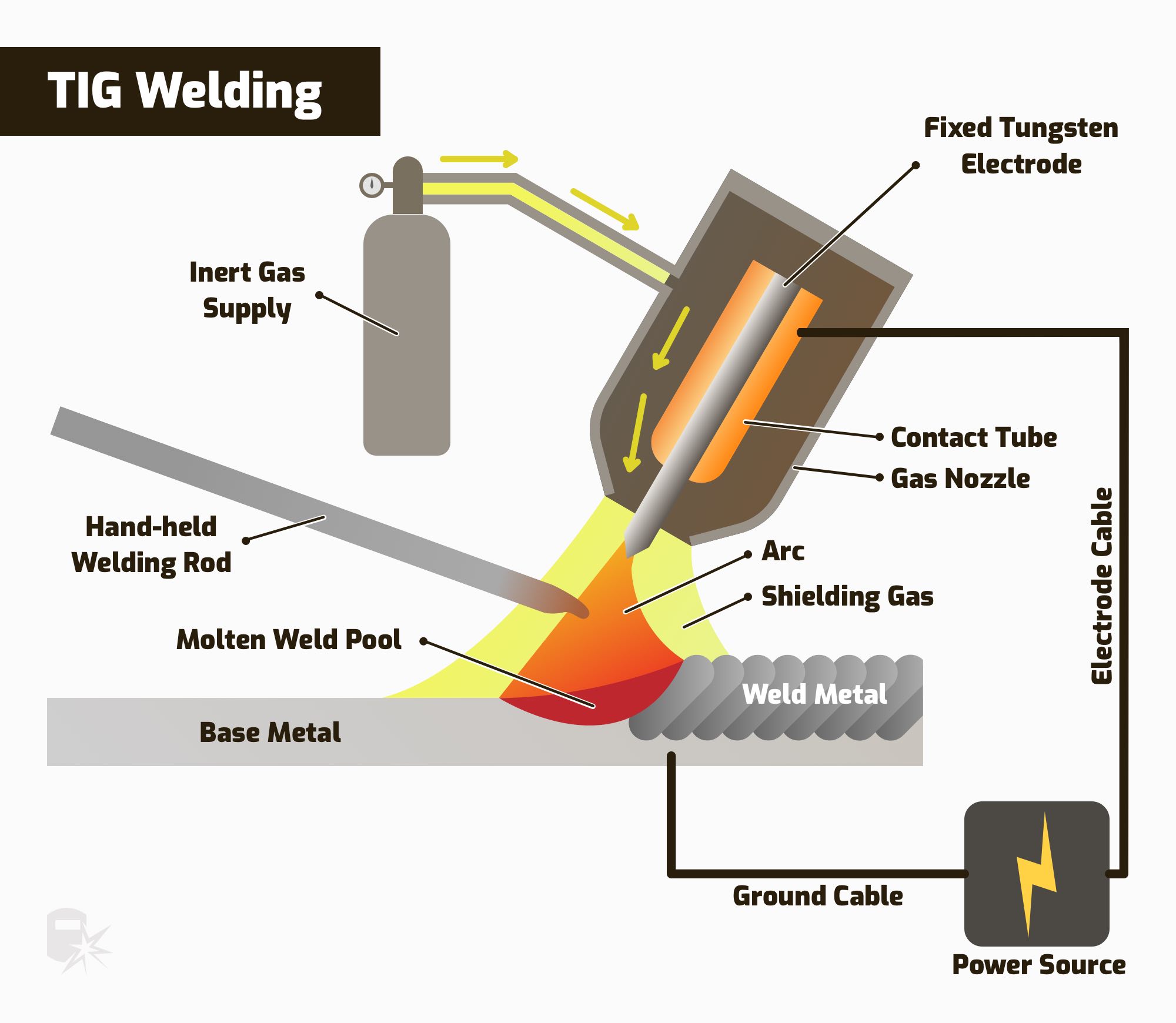
Credit: weldguru.com