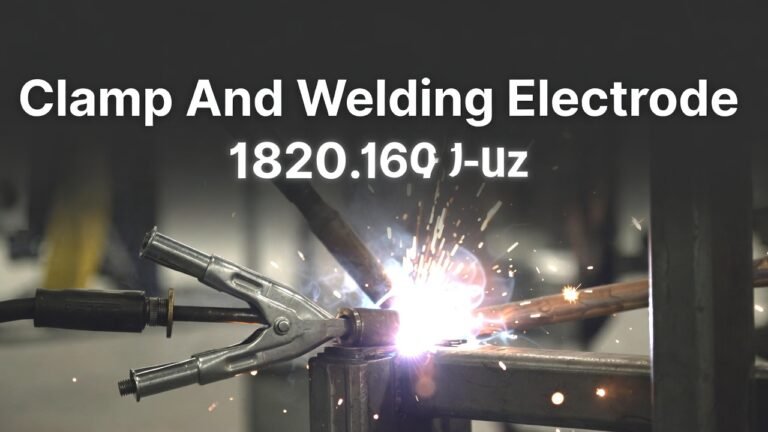
Welding is a useful skill. It helps join metals tightly.
Two important parts in welding are clamps and electrodes. This article explains them clearly. You will learn what they are and how to use them.
What is a Clamp in Welding?
A clamp is a tool. It holds metal pieces still during welding.
It stops the metal from moving. This helps make strong welds.
There are many types of clamps. Each has a special job.
Common Types Of Welding Clamps
Ground Clamp: Connects the metal to the welder’s earth cable.
Electrode Holder Clamp: Holds the welding rod or electrode.
C-Clamp: Holds metal pieces together tightly.
Spring Clamp: Quick to use for light jobs.
Why Is The Ground Clamp Important?
The ground clamp is very important. It completes the electric circuit. This lets current flow safely.
Always connect the ground clamp to the metal part you weld.
It helps stop shocks and sparks.
What is a Welding Electrode?
An electrode is a thin stick. It melts and joins metals together.
The electrode carries electricity. This creates heat to melt metal.
When the electrode melts, it adds metal to the weld.
Types Of Welding Electrodes
Electrode Type
Description
Use
Polarity
Cellulose-Based
Aggressive arc with deep penetration.
Welding through rust or paint, fieldwork.
DC Only (DCEN)
Low-Hydrogen Iron Powder
Smooth, stable arc with clean welds.
Structural welding, bridges, high-strength steel.
AC or DCEP
How To Choose The Right Electrode?
Think about the metal you weld. Also, consider the job type.
For rusty or dirty metal, use cellulose-based electrodes.
For strong, clean welds, use low-hydrogen electrodes.
Follow the welding machine’s polarity instructions.
How to Use a Clamp and Electrode Holder
First, connect the ground clamp to the metal piece.
Make sure the clamp is tight and clean.
Next, place the electrode in the electrode holder clamp.
Hold the electrode holder firmly while welding.
Move the electrode slowly along the joint. This melts the metal evenly.
Tips for Safe Welding
Always wear safety gear: gloves, helmet, and apron.
Check clamps and electrodes before use.
Keep your workspace clean and dry.
Use clamps to hold metal firmly.
Keep electrodes dry. Moisture can cause bad welds.
Where to Buy Clamps and Welding Electrodes?
Many stores sell welding supplies. Here are some popular places:
Store
Clamp or Electrode Price
Notes
Harbor Freight Tools
$17.49
Affordable options for beginners.
Northern Tool
$21.99 – $42.99
Good variety of clamps and holders.
Tractor Supply Company
$26.99 – $349.99
Wide range, from basic to heavy-duty.
Home Depot
$21.31 – $25.51
Popular brand welding supplies.
Airgas Tweco
$87.03 – $101.36
Professional grade electrode holders.
Important Welding Polarity Facts
Polarity means how current flows in welding.
Ground clamp usually goes to positive (+) terminal. This is called DCEP.
Electrodes may require different polarity. Check electrode labels.
Wrong polarity can cause weak welds or poor arcs.
Common Welding Electrode Mistakes
Using wet electrodes. It causes bad welds.
Wrong polarity settings on the welder.
Holding electrode too far or too close.
Not cleaning metal before welding.
Summary: Clamp and Welding Electrode Basics
Clamp: Holds metal and electrodes firmly.
Ground Clamp: Connects metal to welder’s earth.
Electrode: Melts metal and joins pieces.
Electrode Types: Choose based on metal and job.
Safety: Wear gear and use dry electrodes.
Polarity: Follow electrode and machine instructions.
Buy from: Harbor Freight, Northern Tool, Home Depot, and others.
Clamps and welding electrodes work together. They make welding safe and strong.
Start with simple tools and learn step by step.
Good welding needs practice and care.
Frequently Asked Questions
Should The Ground Clamp Go On Positive Or Negative In A Welder?
The ground clamp should connect to the negative (-) terminal in most welders for correct polarity. This ensures proper arc stability and safety. Some welding types may require positive (+) ground, so always check your welder’s manual for specific instructions.
Is 6010 Or 7018 Better For Welding?
6010 electrodes offer deep penetration and fast freeze, ideal for root passes and dirty surfaces. 7018 provides smooth, clean welds with high strength, suited for structural and all-position welding. Choose 6010 for aggressive, deep welds; pick 7018 for ductile, neat finishes and better storage.
What Are Four Types Of Welding Electrodes?
The four types of welding electrodes are: cellulose-based, low-hydrogen, rutile-coated, and basic electrodes. Each suits different welding needs and materials.
What Is A Clamp In Welding?
A clamp in welding secures workpieces and electrodes firmly during welding. It ensures stability and proper electrical contact for accurate welds.