Arc welding is a popular way to join metals. It uses electricity to melt metal pieces together. One important part of this process is the arc welding electrode. But what is an arc welding electrode? Why is it so important? This article explains everything in simple words.
What Is an Arc Welding Electrode?
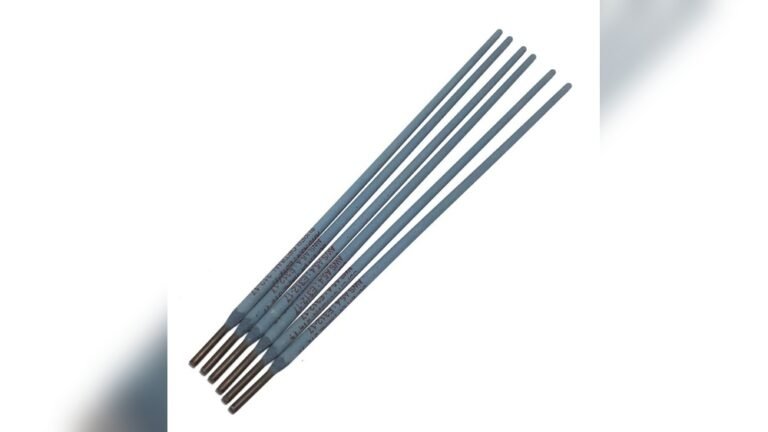
An arc welding electrode is a thin rod. It is made of metal. The electrode helps create the electric arc. This arc melts the metal and the rod itself. When melted, the electrode becomes part of the weld. It joins two metal parts strongly.
The electrode also has a coating. This coating protects the weld from dirt and air. It helps make the weld strong and clean.

Credit: www.swsni.com
How Does an Arc Welding Electrode Work?
When you start welding, the electrode touches the metal surface. Then, the welder pulls it back slightly. This makes a small gap. Electricity jumps across this gap. This jump is called the arc.
The arc is very hot. It melts the metal and the electrode tip. Molten metal from the electrode fills the joint. As the weld cools, it becomes solid and strong.
The coating on the electrode melts too. It creates a gas shield. This gas keeps oxygen and nitrogen away. Without this shield, the weld could get weak or dirty.

Credit: www.weldingcity.com
Types of Arc Welding Electrodes
There are many types of electrodes. Each type is good for different jobs. Some are for thin metals. Others work well on thick metals. Some electrodes are best for steel. Others work with cast iron or stainless steel.
Here are some common types:
- Rutile Electrodes: Easy to use, good for beginners.
- Basic Electrodes: Strong and good for outdoor welding.
- Cellulosic Electrodes: Create deep welds, used in heavy work.
- Iron Powder Electrodes: Deposit more metal quickly.
Choosing the Right Electrode
Picking the right electrode is important. It depends on many things:
- The type of metal you are welding.
- The thickness of the metal pieces.
- Whether you weld indoors or outdoors.
- The strength needed for the final weld.
- The welding machine and power source.
Always check the electrode label. It shows what metal it fits and the welding current to use.
How to Read Electrode Codes
Electrodes have special codes. These codes tell you what the rod can do. For example, a common code is E6011.
| Code Part | Meaning |
|---|---|
| E | Electrode for arc welding |
| 60 | Minimum tensile strength (60,000 psi) |
| 1 | Position of welding (1 means all positions) |
| 1 | Type of coating and current (AC or DC) |
Knowing these numbers helps you pick the right rod for your job.
How to Store Arc Welding Electrodes
Electrodes must stay dry. Moisture can ruin them. Wet electrodes cause weak welds with cracks.
Keep your electrodes in a dry place. Use a sealed box or a special oven. Some rods need to be heated before use. This removes any moisture.
Always check the package for storage instructions.
Common Brands and Prices
You can find arc welding electrodes in many stores. Prices vary depending on brand and type. Here are some examples:
| Store | Price Range (USD) | Example Product |
|---|---|---|
| Harbor Freight Tools | $8.99 – $9.99 | Basic Stick Welding Rods |
| Home Depot | $8.98 – $35.98 | Lincoln Electric Electrodes |
| Lowe’s | $7.98 – $34.98 | Fleetweld Stick Electrodes |
| Tractor Supply Company | $4.99 – $49.99 | Heavy Duty Electrodes |
| Grainger Industrial Supply | $49.99 – $284.72 | Professional Grade Electrodes |
Prices change by location and availability.
Tips for Using Arc Welding Electrodes
- Use the right size electrode for your metal thickness.
- Keep a steady hand to make smooth welds.
- Use the correct welding current (AC or DC).
- Replace electrodes often to avoid bad welds.
- Wear safety gear: gloves, helmet, and clothes.
- Practice to improve your welding skills.
Safety First
Welding can be dangerous. The arc makes very bright light. It can hurt your eyes. Always wear a welding helmet with a dark lens.
The welding process creates fumes. Work in a well-ventilated area. Use fans or open windows to keep air moving.
Wear gloves and long sleeves. This stops burns from hot sparks.
Why Arc Welding Electrodes Matter
The electrode is the heart of arc welding. It carries the current and melts to join metal. Without a good electrode, welds can fail.
Choosing the right electrode makes welding easier. It helps create strong, clean joints. This means your metal work lasts longer.
Summary
Arc welding electrodes are simple rods with special coatings. They make the arc and fill the weld. Different types suit different metals and jobs. Proper storage and handling keep electrodes working well.
Prices vary from a few dollars to hundreds. You can find electrodes in many hardware stores. Always follow safety rules when welding.
Understanding electrodes helps you get better results. It is an important step for anyone who welds.
Frequently Asked Questions
What Electrode Is Used In Arc Welding?
The electrode used in arc welding is a coated consumable stick, commonly called a stick welding electrode. It conducts current and melts to form the weld. Popular types include mild steel, stainless steel, and cast iron electrodes, chosen based on the material being welded.
Which Is Better, 6013 Or 7018?
7018 electrodes provide stronger, more durable welds with less spatter than 6013. 6013 suits general, light welding tasks. Choose 7018 for structural or heavy-duty projects. Select 6013 for easy, quick welds on thinner metals. Both serve distinct welding needs effectively.
What Are The 4 Types Of Electrodes?
The four types of electrodes are: 1) Consumable electrodes, 2) Non-consumable electrodes, 3) Covered electrodes, and 4) Bare electrodes. Each type suits different welding processes and materials for effective arc welding.
Is 6010 Or 7018 Better For Welding?
7018 offers stronger, cleaner welds with low hydrogen for structural work. 6010 excels in deep penetration and faster welding on dirty metals. Choose 7018 for durability and 6010 for speed and versatility.