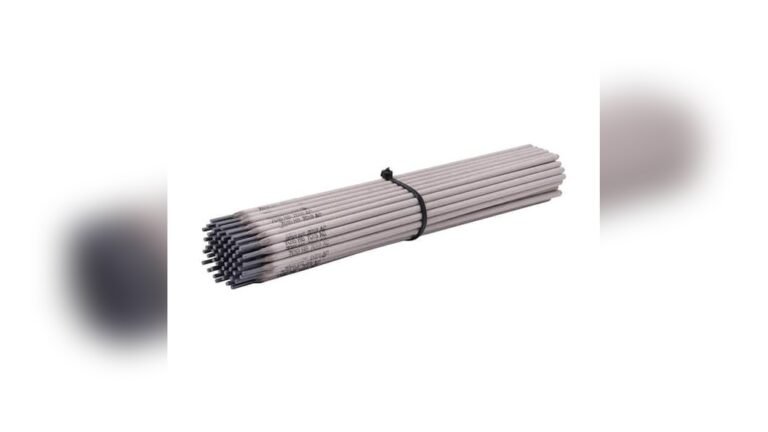
SMAW welding electrodes are important for stick welding. SMAW stands for Shielded Metal Arc Welding. It is one of the oldest and most common welding methods. This method uses a special rod called an electrode.
In this article, we will explain what SMAW welding electrodes are. We will also talk about their types and uses. Finally, you will learn how to choose the right electrode for your project.
What Are SMAW Welding Electrodes?
A SMAW welding electrode is a metal rod. It has two parts:
- Core wire: This is the metal inside the rod. It melts and joins the metals.
- Flux coating: This covers the core wire. It protects the weld and helps the process.
When you weld, the electrode melts. It forms a pool of molten metal. This pool joins two pieces of metal together.
The flux coating creates a gas shield. This gas stops air from touching the molten metal. Without this shield, the weld can get weak or dirty.
How SMAW Welding Works
In SMAW welding, an electric current passes through the electrode. The current creates an arc between the electrode and the metal piece. The arc is very hot. It melts the core wire and the metal piece.
The melted metal from the rod fills the joint. The flux coating melts too. It forms slag that covers the weld. Slag protects the weld as it cools. After welding, you must chip off the slag.
Common Types of SMAW Electrodes
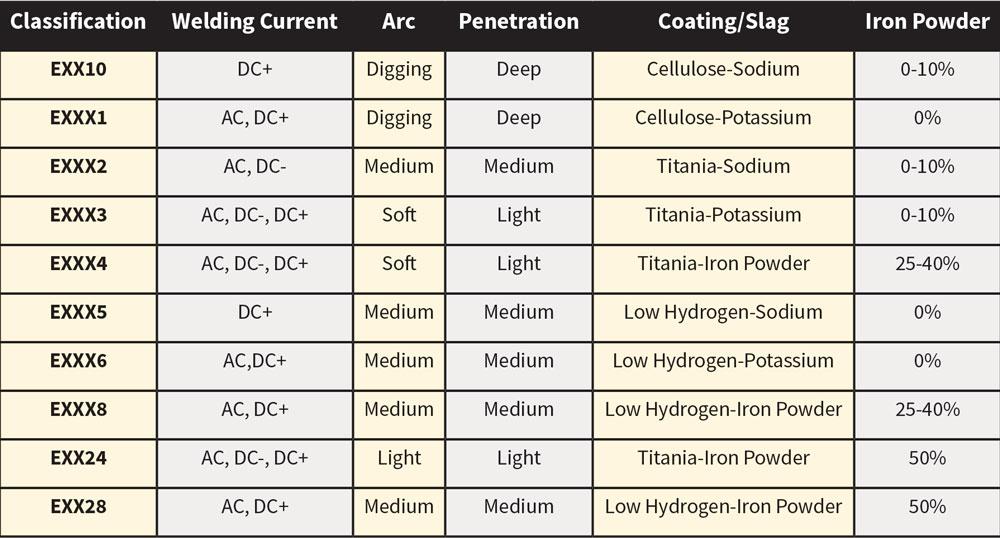
There are many types of SMAW electrodes. Each type is for different jobs. Here are some common types with their uses:
| Electrode Type | Coating Type | Best For | Penetration | Ease of Use |
|---|---|---|---|---|
| E6011 | Cellulose-based (fast freeze) | Root passes on pipes, rusty metal, fieldwork | Deep | Easy to use on AC or DC |
| E6013 | Rutile (smooth arc) | Thin sheet metal, general repairs, beginners | Shallow to moderate | Very easy to use |
| E7018 | Low-hydrogen, iron powder | Structural welding, bridges, buildings | Medium to deep | Needs skill and dry storage |
| E7024 | Iron powder, rutile | Flat position, fast welding | Shallow | Easy and fast |
Details About Each Electrode Type
E6011 Electrode
This electrode has a cellulose coating. It melts fast and creates a strong arc. It is good for welding pipes and rusty metal. It works on both AC and DC power. The weld can go deep into the metal. It is good for field work and rough jobs.
E6013 Electrode
E6013 rods have a rutile coating. This type makes a smooth and easy arc. It is perfect for beginners and thin metals. It works well on low power machines. The weld beads look clean and smooth. However, penetration is not very deep.
E7018 Electrode
This electrode has a low-hydrogen coating. It makes strong, crack-resistant welds. It is best for structural work like bridges. This rod needs dry storage to keep it from moisture. It requires more skill and higher power. The weld is strong and looks very good.
E7024 Electrode
This rod has a heavy iron powder coating. It melts fast and deposits a lot of metal. It works only in flat positions. It is used for fast welding on thick materials. The weld is smooth but has shallow penetration.
Credit: www.thefabricator.com
Choosing the Right Electrode
Choosing the right electrode depends on many things:
- Metal type: What metal do you want to weld?
- Position: Will you weld flat, vertical, or overhead?
- Power source: Do you have AC or DC power?
- Skill level: Are you a beginner or experienced welder?
- Strength needed: How strong should the weld be?
For example, if you are a beginner and weld thin metal, E6013 is a good choice. If you weld structures and need strong joints, E7018 is better.
Tips for Using SMAW Electrodes
- Keep electrodes dry to avoid cracks and weak welds.
- Store low-hydrogen rods in an oven if possible.
- Use the correct amperage for each electrode.
- Strike the arc carefully to avoid sticking the rod.
- Chip off slag after welding to see the weld bead.
- Practice welding in different positions to improve skill.
What Happens If You Use the Wrong Electrode?
Using the wrong electrode can cause problems like:
- Weak welds that can crack or break.
- Too much slag that is hard to remove.
- Bad appearance of the weld bead.
- Poor penetration, so metal pieces do not join well.
Storage and Handling of Electrodes
Electrodes are sensitive to moisture. Moisture causes hydrogen to enter the weld. This can make the weld brittle and weak. Follow these tips for storage:
- Keep electrodes in a dry place.
- Use sealed containers if possible.
- Low-hydrogen rods need warm storage (oven storage).
- Do not drop or damage the rods.
Common Electrode Classification Explained
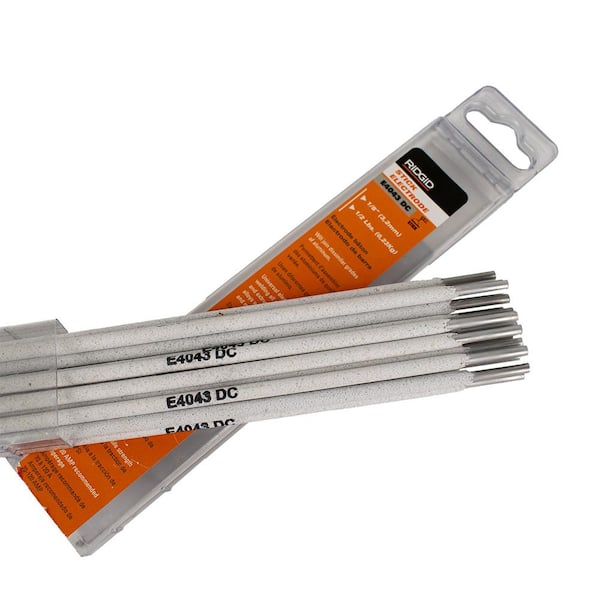
Electrodes have codes like E6011 or E7018. This code tells you the electrode’s properties:
| Code Part | Meaning |
|---|---|
| E | Electrode for arc welding |
| 60 or 70 | Minimum tensile strength (60,000 or 70,000 psi) |
| 1 or 2 | Welding positions (1 = all positions, 2 = flat and horizontal) |
| 1, 8, 13 | Coating and current type (different flux types) |
Credit: www.homedepot.com
Frequently Asked Questions
What Type Of Electrode Is Used In Smaw?
SMAW uses coated stick electrodes with a steel core wire and flux coating. Types include low-hydrogen and cellulose-coated rods. Low-hydrogen electrodes offer strong, crack-resistant welds for structural work. Cellulose-coated rods provide deep penetration, ideal for pipe welding and all positions.
Proper storage prevents moisture damage.
Should I Use 6013 Or 7018?
Use 6013 for beginners, thin mild steel, and general repairs with easy arc striking. Choose 7018 for structural work needing strong, low-hydrogen welds and deep penetration. 7018 requires skill, higher amperage, and dry storage.
Is 7018 Smaw?
Yes, 7018 is a type of SMAW (Shielded Metal Arc Welding) electrode. It features a low-hydrogen, iron powder coating for strong, crack-resistant welds. Ideal for structural welding, it provides smooth arcs and excellent weld quality, especially on high-strength steel applications.
Is 6010 Or 7018 Better For Welding?
6010 excels in deep penetration and dirty metal welding, ideal for pipe roots and fieldwork. 7018 offers strong, crack-resistant welds with smooth arcs, perfect for structural and high-strength projects. Choose 6010 for versatility and 7018 for superior weld quality and strength.
Conclusion
SMAW welding electrodes are key in stick welding. They help join metals with heat and protection. Each electrode type suits different needs. Beginners should start with easy rods like E6013. Experienced welders use low-hydrogen rods like E7018 for strong joints.
Remember to store electrodes properly and use correct power settings. Practice welding to improve your skill. With the right electrode, your welds will be strong and neat.
Now you know the basics of SMAW welding electrodes. Use this knowledge for your welding projects. Good welds start with the right rod!