Electrodes for Welding: Top Picks for Perfect Metal Fusion

Electrodes for Welding

Welding is a common skill used to join metals together. It uses heat and pressure. One important tool in welding is the electrode. But what is an electrode? Why is it so important? Let’s learn about electrodes for welding in a simple way.

What Are Welding Electrodes?

An electrode is a metal rod. It carries electricity to the welding area. When the electricity flows, it creates heat. This heat melts the metal pieces and the electrode itself. Then, the melted metal joins together as it cools down.

Electrodes also add some metal to the weld. This metal fills the gap between the two parts. Without electrodes, it is hard to make a strong weld.

Types of Welding Electrodes

There are many kinds of electrodes. The type you use depends on the job. Here are the main types:

  • Stick Electrodes
  • Tungsten Electrodes
  • Flux-Cored Electrodes
  • Carbon Electrodes

1. Stick Electrodes

Stick electrodes are the most common. They look like sticks or rods. They are covered with a coating called flux. The flux helps protect the weld from air. It stops the metal from getting dirty.

Stick welding is easy to learn. It works well for thick metals and outdoor jobs. You can buy stick electrodes in many stores like Home Depot or Lowe’s. Prices vary from $5 to $50 depending on brand and size.

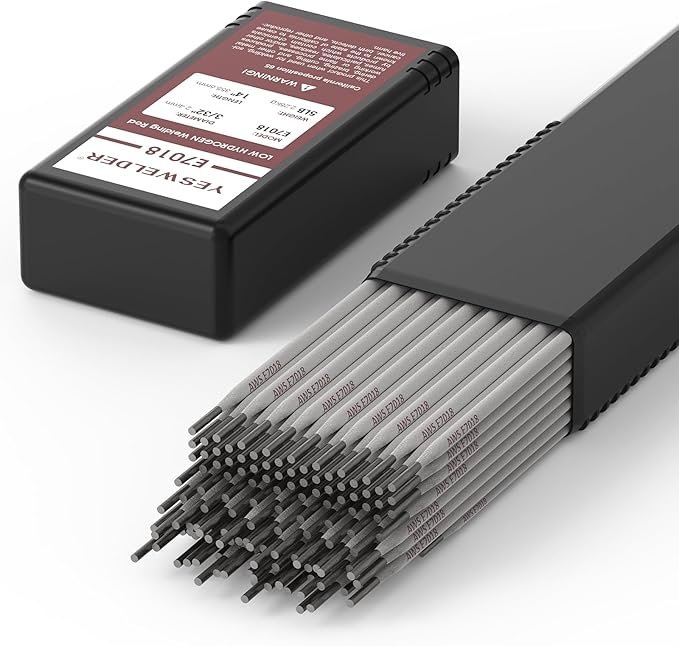
YESWELDER E7018 3/32” 5LB Welding Rod Low Hydrogen Carbon Steel Stick Electrodes
 

2. Tungsten Electrodes

Tungsten electrodes are used in TIG welding. TIG means Tungsten Inert Gas. These electrodes do not melt. Instead, they create the arc or spark that melts the metal pieces.

Tungsten is very strong and does not burn away easily. TIG welding is good for thin metals and precise work. You will find tungsten electrodes in many sizes and types, depending on the metal you weld.

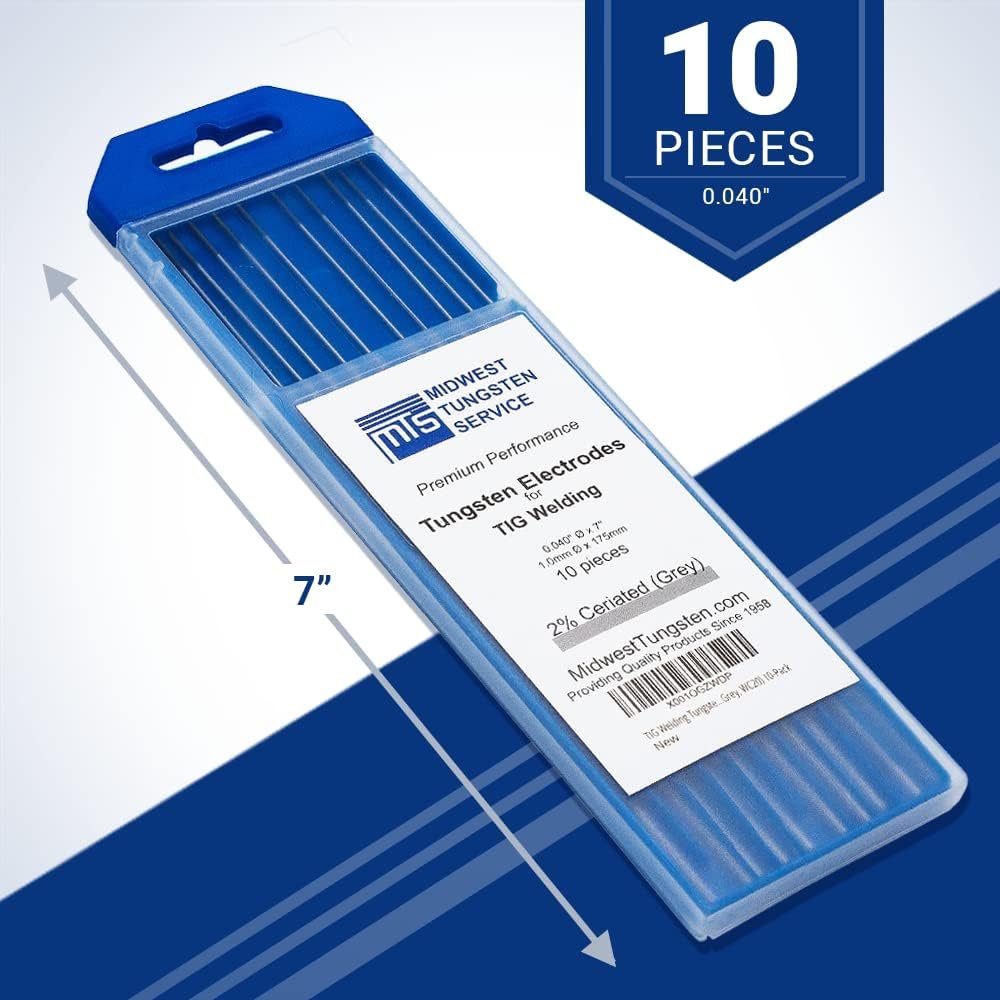
Midwest Tungsten Service TIG Welding Tungsten Electrodes 10-Pack
3. Flux-cored Electrodes

Flux-cored electrodes are tubes filled with flux. They are used in flux-cored arc welding (FCAW). This type of electrode is good for fast welding and thick metals.

It works like stick welding but produces less smoke and slag. It also needs less cleaning after welding. You can find these electrodes in welding shops and online.

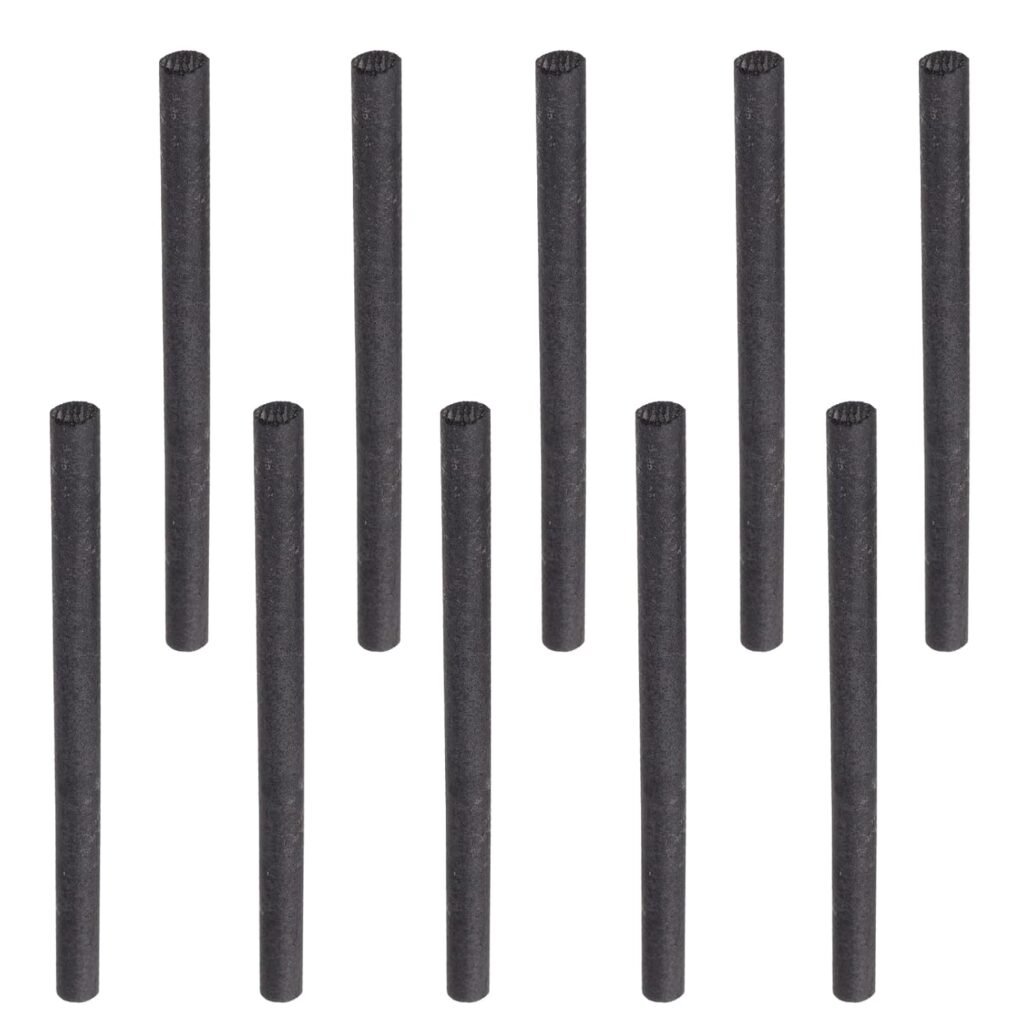
4. Carbon Electrodes

Carbon electrodes are less common. They are used in special welding types like carbon arc welding. Carbon rods do not melt but help create heat.

This type is usually for industrial or very specific jobs. Most home welders do not use carbon electrodes.
 

How to Choose the Right Electrode

Choosing the right electrode depends on these factors:

  • Type of metal you want to weld
  • Thickness of the metal
  • Welding position and location
  • Skill level of the welder

Metal Type

Steel is the most common metal to weld. For steel, stick electrodes like E6011 or E7018 are popular. For stainless steel, you need special stainless steel electrodes. Aluminum needs TIG welding with tungsten electrodes.

Metal Thickness

Thick metal needs stronger electrodes and more heat. Thin metal needs softer electrodes and less heat. Using wrong electrodes can burn holes or make weak joints.

Welding Position

Welding can be done flat, vertical, overhead, or horizontal. Some electrodes work better in certain positions. For example, E6010 sticks work well for vertical welding.

Skill Level

Beginners should start with easy electrodes like E6013. These rods create smooth welds and less splatter. More skilled welders can use advanced electrodes for better results.


Common Electrode Codes and Their Meaning

Electrodes have codes. These codes tell you their features. Most stick electrodes use a code like E6011 or E7018.

CodeMeaning
EElectrode for welding
60 or 70Minimum tensile strength (60,000 psi or 70,000 psi)
1, 2, 3, etc.Welding position and type of coating
8Special features like low hydrogen coating

For example, E6011 means:

  • E: Electrode
  • 60: 60,000 psi strength
  • 1: Can weld in all positions
  • 1: Cellulose sodium coating for deep penetration

How to Store Electrodes

Electrodes must stay dry. Moisture can ruin them. Wet electrodes make bad welds with cracks.

Store electrodes in a dry box or container. Keep them away from water and humidity. If electrodes get wet, you can dry them in a special oven. Do not try to weld with wet rods.

Where to Buy Electrodes

Electrodes are easy to buy. Many stores sell them, including:

  • Home Depot
  • Lowe’s
  • Harbor Freight Tools
  • Tractor Supply Company
  • Walmart

Prices vary. For example, a pack of stick electrodes can cost from $5 to $30. Larger or special rods cost more.

Online shops like Grainger or Lincoln Electric also sell quality electrodes.

Tips for Using Electrodes

  • Choose the right electrode for the job.
  • Check the rod size matches your welding machine.
  • Keep electrodes dry and clean before use.
  • Hold the rod at the right angle (usually 15 degrees).
  • Move the rod steadily to make a smooth weld.
  • Wear protective gear like gloves and a helmet.

Common Welding Positions

Welding can be done in different positions. Each position needs some skill and the right electrode.

PositionDescription
Flat (1G)Plate is flat, weld on top. Easy position.
Horizontal (2G)Weld runs horizontally on a vertical plate.
Vertical (3G)Welding vertically, up or down.
Overhead (4G)Welding from underneath the joint.

Some electrodes work better for certain positions. For example, E6010 and E6011 are good for vertical welding.

Summary

Electrodes are key parts of welding. They carry electricity and add metal to the joint. There are many types: stick, tungsten, flux-cored, and carbon.

Choosing the right electrode depends on metal type, thickness, position, and skill. Store electrodes dry and use them carefully.

Buy electrodes at hardware stores or online. Follow safety rules and welding tips for best results.

With this knowledge, welding becomes easier and safer. Try it yourself and see how electrodes help join metal parts!

Frequently Asked Questions

What Are The 4 Types Of Electrodes?

The four types of electrodes are: coated (stick), bare (carbon), tungsten, and metal-cored. Each suits different welding methods and materials.

Is 6010 Or 7018 Better For Welding?

6010 electrodes suit deep penetration and fast-freezing welds on dirty metals. 7018 offers stronger, smoother welds with low spatter, ideal for structural steel. Choose 6010 for root passes and 7018 for finish welds. Each excels in different welding needs.

What Is 1g 2g 3g 4g 5g 6g Welding?

1G to 6G welding are standardized welding positions. 1G is flat, 2G horizontal, 3G vertical, 4G overhead. 5G and 6G involve pipe welding in fixed positions, with 6G being the most challenging. These codes help welders identify joint orientation and technique.

Should I Use 6013 Or 7018?

Use 6013 electrodes for general repairs, thin metals, and beginner projects. Choose 7018 for stronger, low-hydrogen welds on structural steel.