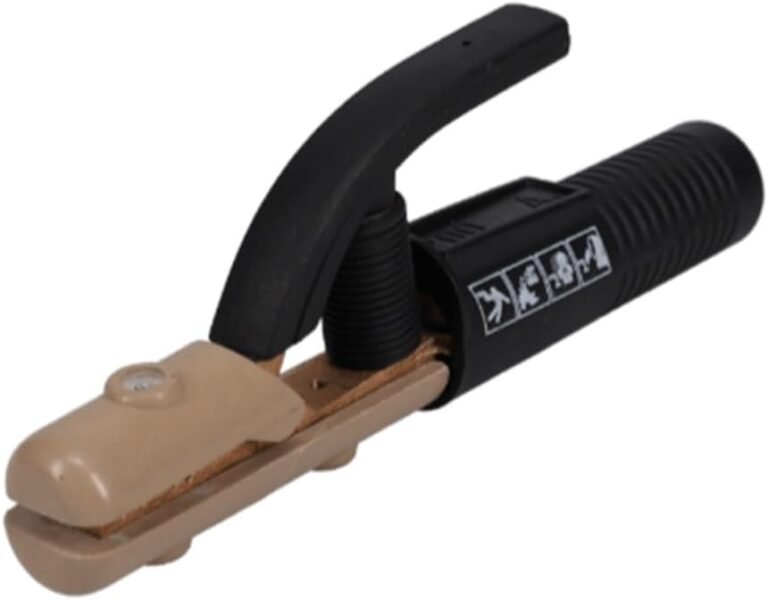
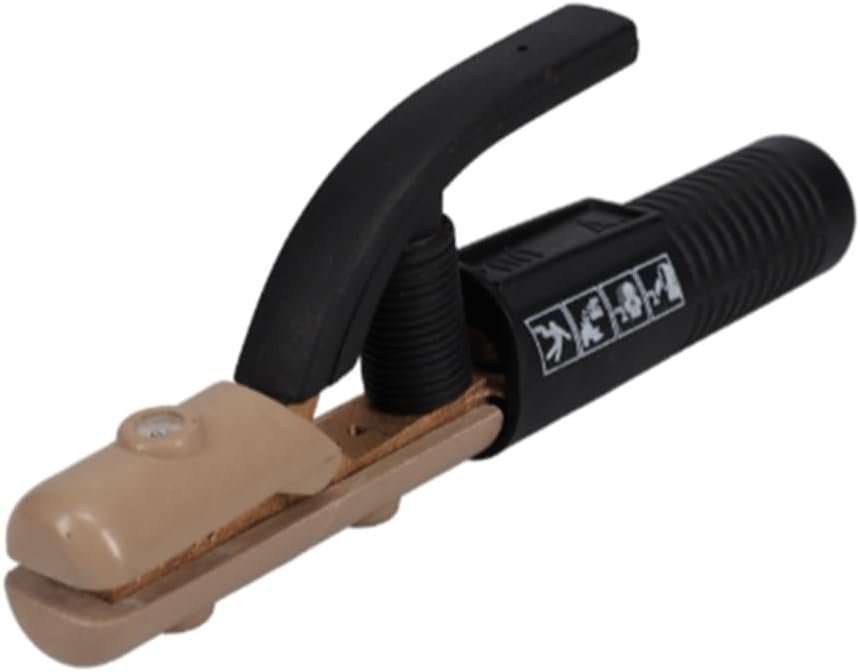
Welding is a way to join metals using heat and electricity. To weld properly, you need the right tools. One very important tool is the welding electrode holder. This tool holds the welding electrode safely. It helps make a strong and steady arc for welding.
What Is a Welding Electrode Holder?
A welding electrode holder is a hand-held device. It grips the welding electrode, also called a stinger. The electrode is a metal rod that creates the electric arc. The holder keeps the electrode steady. It also keeps the welder safe from electric shock.
The electrode holder connects to the welding machine by a cable. This makes electricity flow through the electrode. The arc is the electric spark that melts metal. This spark joins the metal pieces together.
Why Is the Electrode Holder Important?
Secure Grip: It holds the electrode tightly.
Safety: It protects the welder from electric shock.
Good Connection: It makes sure electricity flows well.
Control: It helps the welder guide the electrode smoothly.
Without a good electrode holder, welding can be unsafe and hard to do.
There are many types of electrode holders. Each fits different needs. Here are some common types:
Type
Description
Best Use
Standard Holder
Simple design with handles and jaws.
Most common welding jobs.
Heavy-Duty Holder
Stronger build for thick cables and high current.
Industrial welding and tough jobs.
Insulated Holder
Extra insulation for safety and comfort.
Work in wet or risky conditions.
Twist-Lock Holder
Electrode locks with a twist action.
When extra grip is needed.
How Does a Welding Electrode Holder Work?
The holder has two parts that open and close. These parts are called jaws. You open the jaws and put the electrode inside. Then, you close the jaws to hold the electrode tight.
The holder connects to the welding cable. Electricity flows from the welder, through the cable, into the holder, and then the electrode. This creates the arc that melts metal.
The holder’s handle is made from a material that does not conduct electricity. This protects the welder from shocks. The welder holds the handle to control the electrode’s position and angle.
Materials Used in Electrode Holders
Electrode holders are made from strong and safe materials. These materials make the holder last long and work well.
Handle: Usually plastic or rubber. These materials stop electricity from hurting the welder.
Jaws: Made from copper or brass. These metals conduct electricity well.
Spring: A small spring helps keep the jaws tight on the electrode.
How to Choose the Right Welding Electrode Holder?
Choosing the right holder depends on your welding needs. Here are some tips:
Current Rating: Pick a holder that handles the amperage you will use.
Electrode Size: Make sure the holder fits the electrode diameter.
Comfort: Choose a holder with a comfortable handle for long use.
Safety: Look for insulation and safety features.
Durability: Strong materials help the holder last longer.
Popular Brands and Prices in Austin, Texas
If you live in Austin, Texas, you can find many electrode holders. Here are some popular places and price ranges:
Store
Price Range (USD)
Notes
Home Depot
$8.74 to $114.54
Wide range of holders and brands
Harbor Freight Tools
$17.49
Affordable options with decent quality
Tractor Supply Company
$11.99 to $26.99
Good for farm and home welding needs
Airgas
$31.14 to $42.12
Professional-grade holders
Ace Hardware
About $31.99
Reliable local hardware store
How to Use a Welding Electrode Holder Safely?
Safety is very important in welding. Follow these simple rules:
Wear welding gloves to protect your hands.
Always use a holder with good insulation.
Do not touch the electrode or the metal while welding.
Keep your work area dry to avoid electric shock.
Check the holder for damage before each use.
Hold the electrode holder firmly but not too tight.
Tips for Maintaining Your Electrode Holder
Keeping your holder in good shape helps it last longer. Here are some tips:
Clean the jaws regularly to remove dirt and metal dust.
Check the spring inside the holder. Replace if weak.
Store the holder in a dry place.
Inspect the cable connection often. Tighten if loose.
If the handle cracks or breaks, replace the holder.
Common Problems and Solutions
Problem
Cause
Solution
Electrode slips out
Weak spring or worn jaws
Replace spring or holder
Electric shock
Damaged insulation or wet handle
Use dry gloves and replace holder
Poor arc quality
Dirty jaws or bad connection
Clean jaws and tighten cable
Holder too hot
Too high current or loose connection
Use correct holder and tighten cable
Summary
A welding electrode holder is a simple but important tool. It holds the electrode safely and firmly. The holder helps create a steady electric arc. This arc melts metal to join pieces.
Choosing the right holder depends on your welding needs. You must think about size, current, and safety. Using the holder correctly keeps you safe. Maintaining the holder helps it last longer.
If you live in Austin, Texas, many stores sell holders. Prices vary from under $10 to over $100. Pick a holder that fits your work and budget.
Remember, safety first. Always check your holder before welding. Use gloves and work in safe conditions. With the right electrode holder, your welding will be better and safer.
Frequently Asked Questions
What Is A Welding Electrode Holder?
A welding electrode holder is a hand tool that grips welding electrodes securely. It maintains stable electrical contact for consistent arc welding.
What Are The Two Types Of Electrode Holders?
The two types of electrode holders are the clamp type and the jaw type. Clamp type uses a screw mechanism, while jaw type uses spring-loaded jaws. Both securely hold welding electrodes for stable arc welding performance.
How Should Welding Electrodes Be Stored?
Store welding electrodes in a dry, cool place to prevent moisture absorption. Keep them sealed in original packaging or airtight containers. Avoid exposure to humidity and temperature fluctuations. Use electrode ovens for low-hydrogen rods. Proper storage maintains electrode quality and ensures strong, consistent welds.
What Is Another Name For An Electrode Holder?
Another name for an electrode holder is a “stinger. ” It grips welding electrodes securely during arc welding.